What is open-ended play?
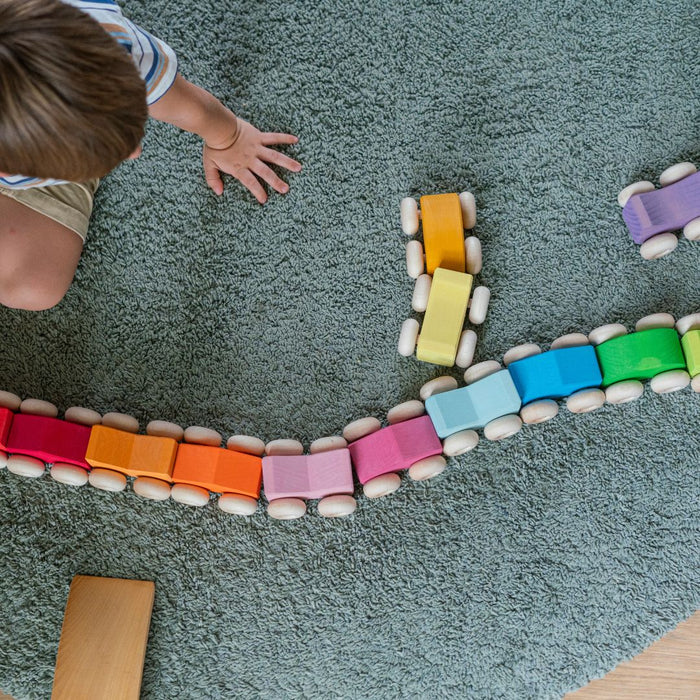
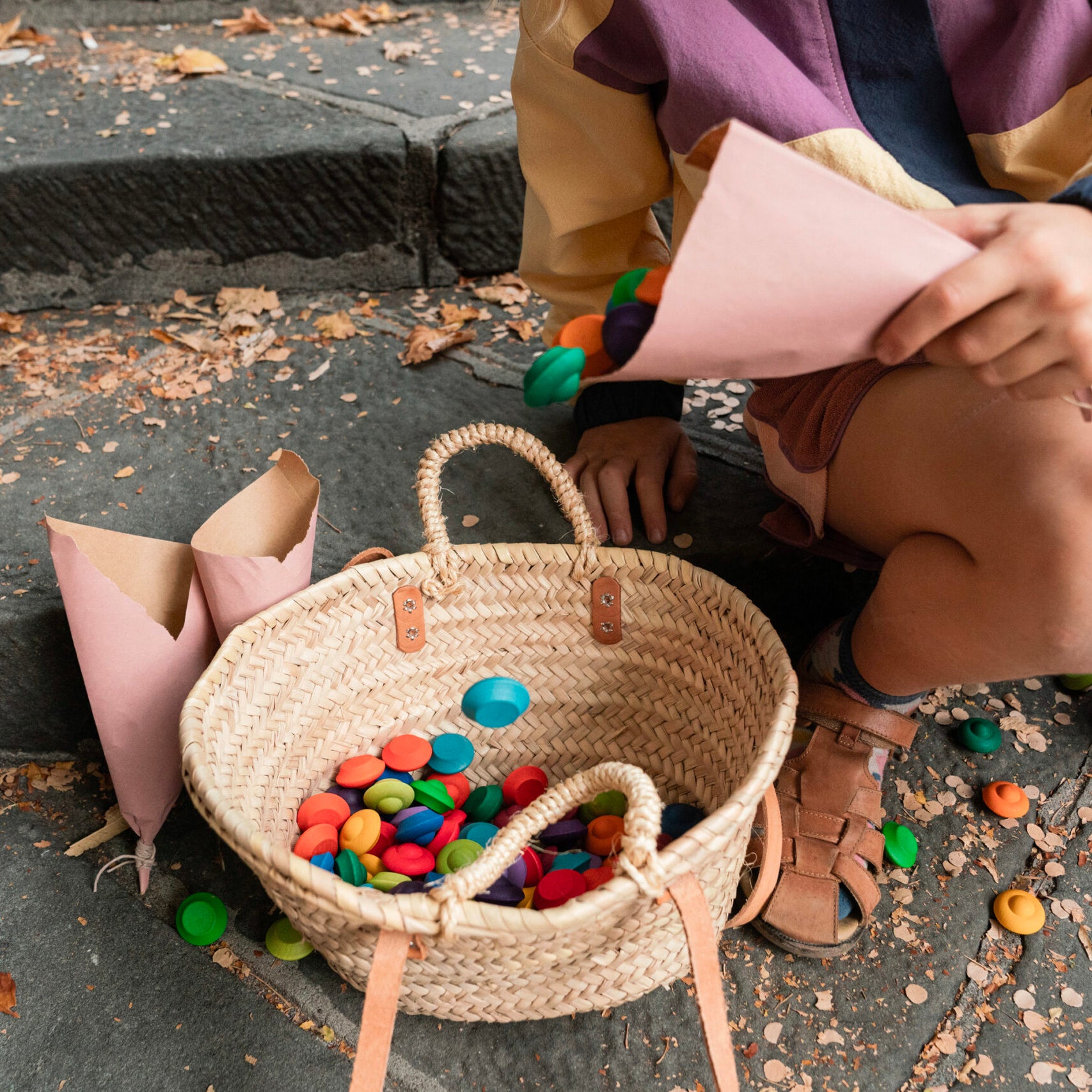
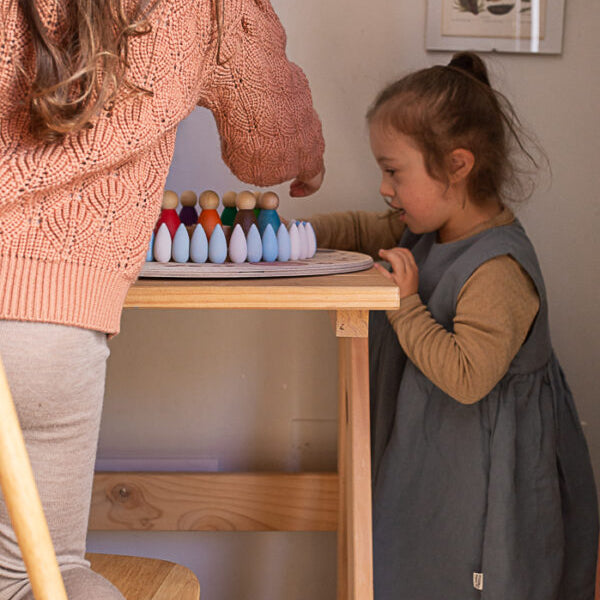
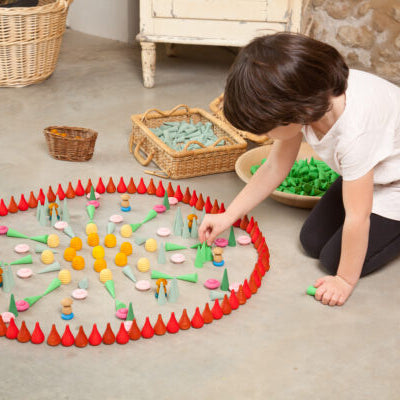
Open-ended play is play without rules, instructions, or a predetermined outcome. Children are free to use materials in their own way, encouraging creativity, imagination, and problem-solving.
What are examples of open-ended toys?
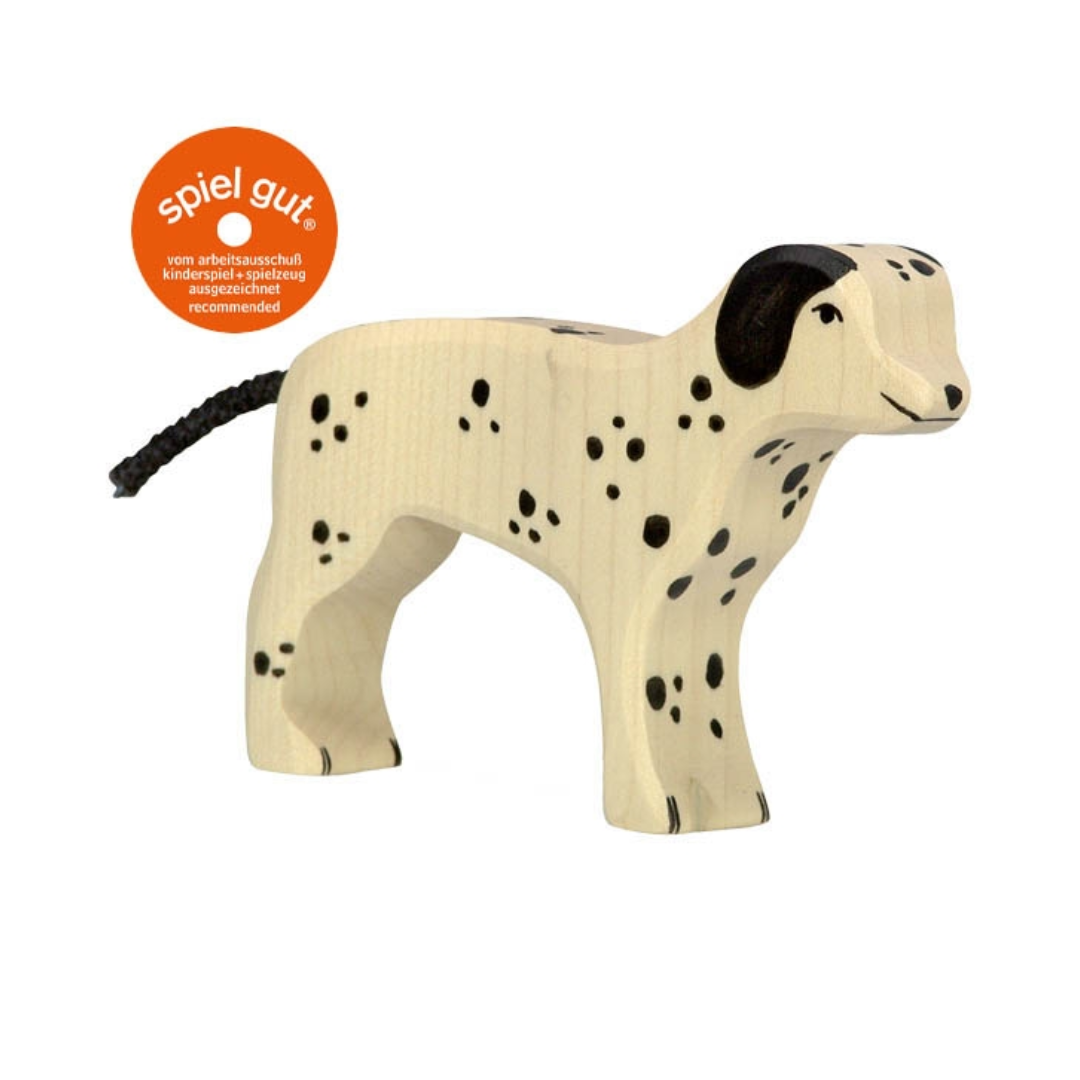
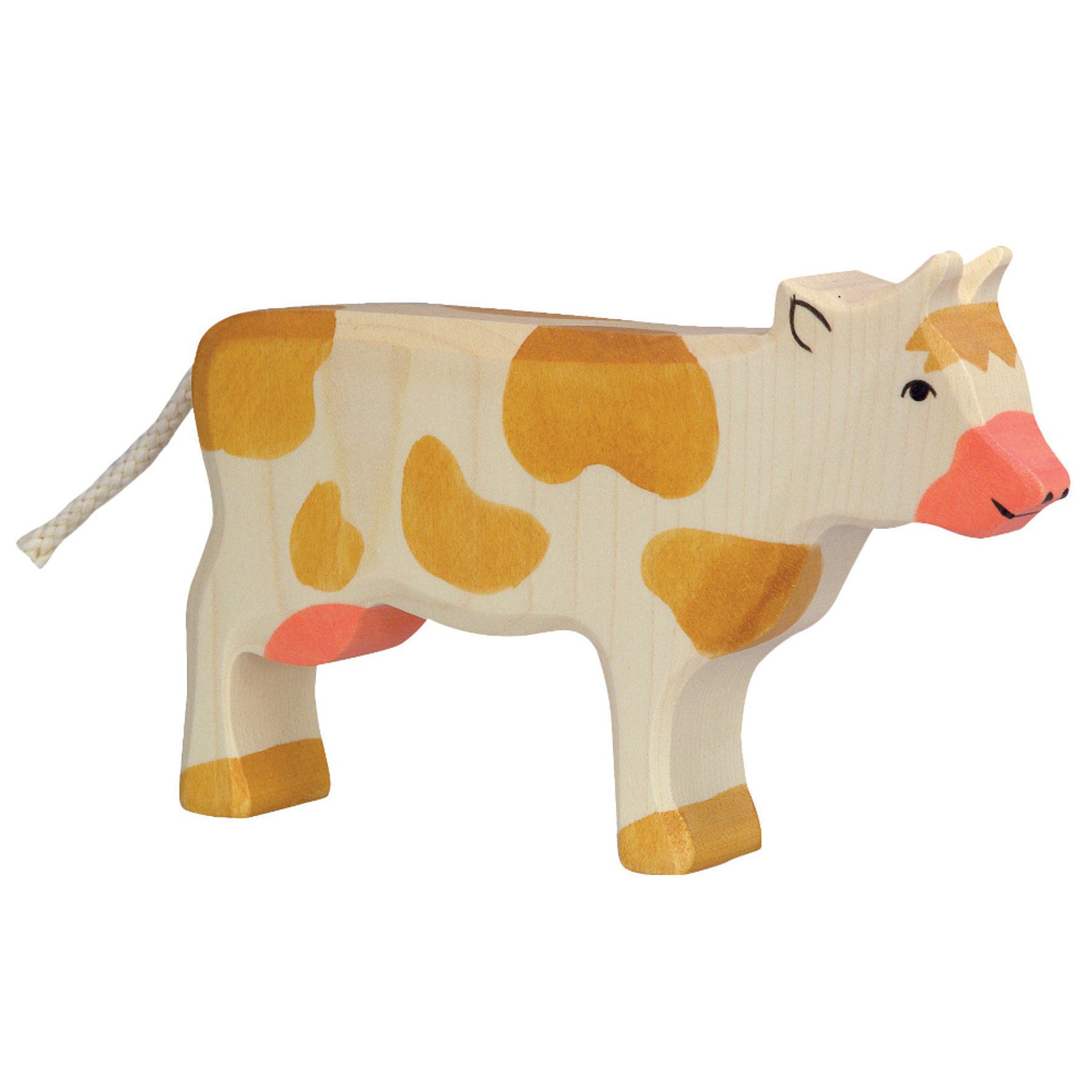
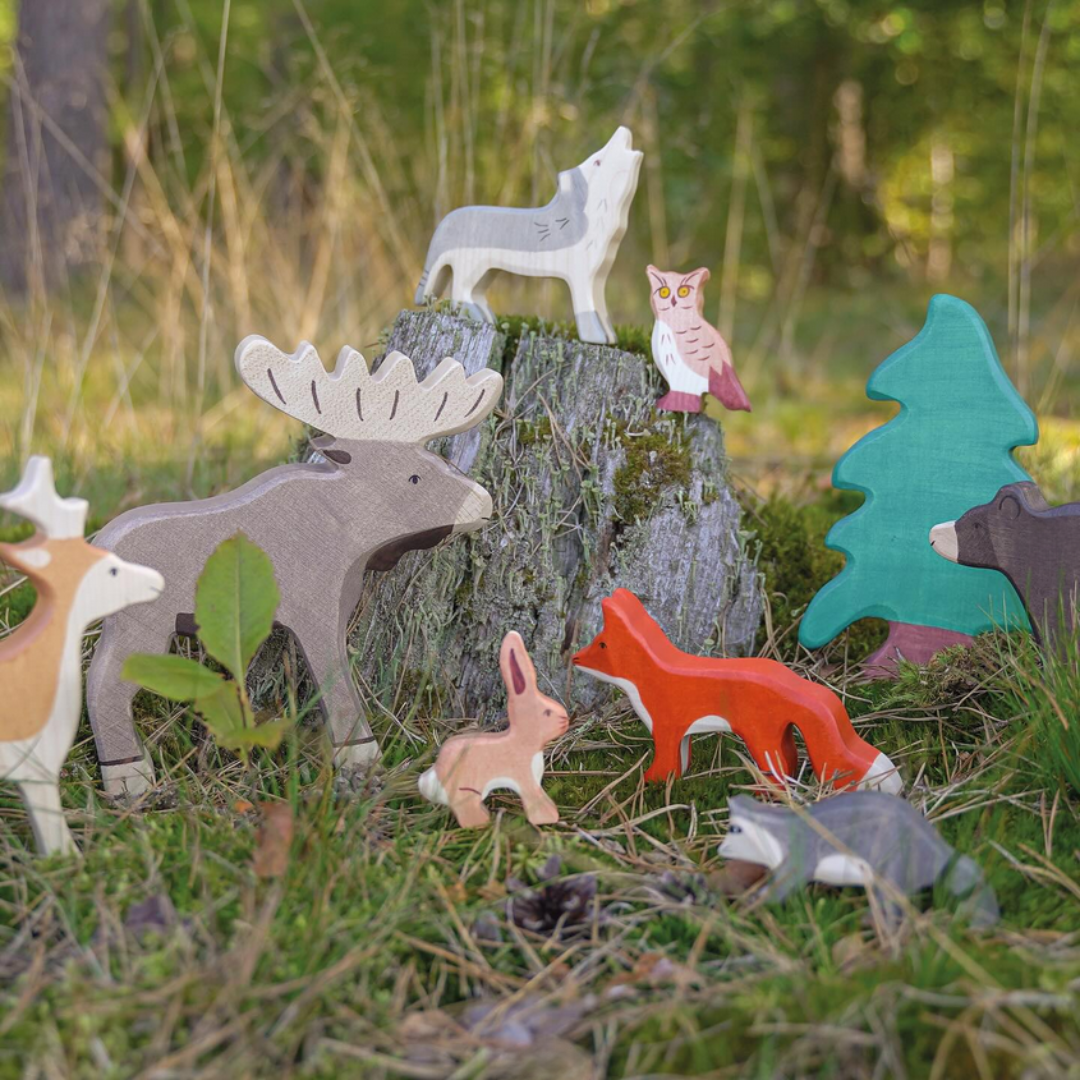
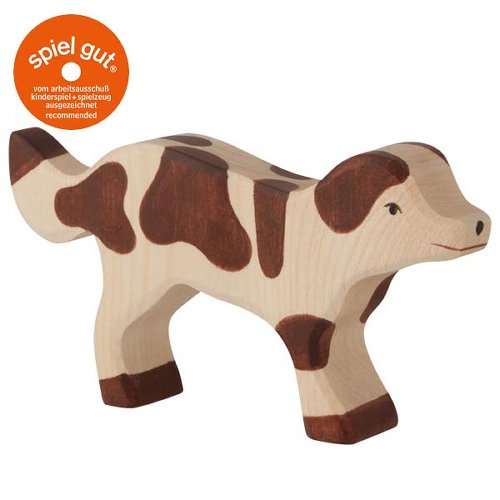
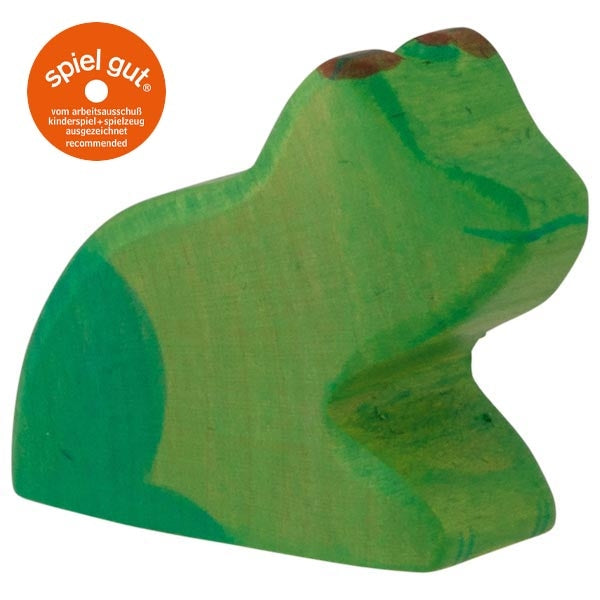
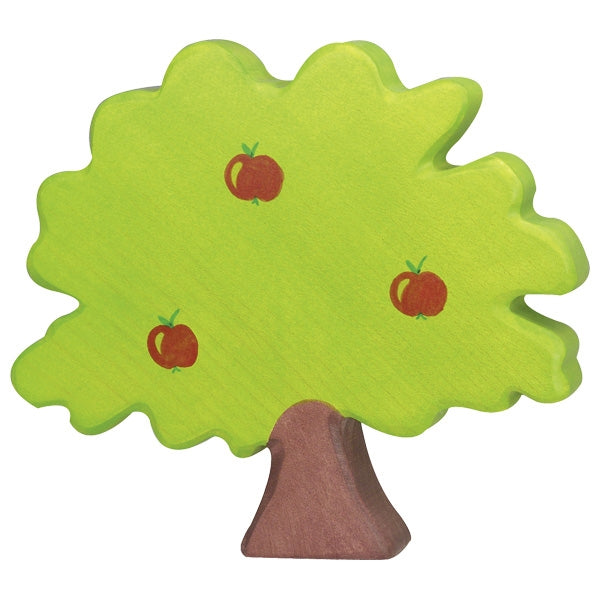
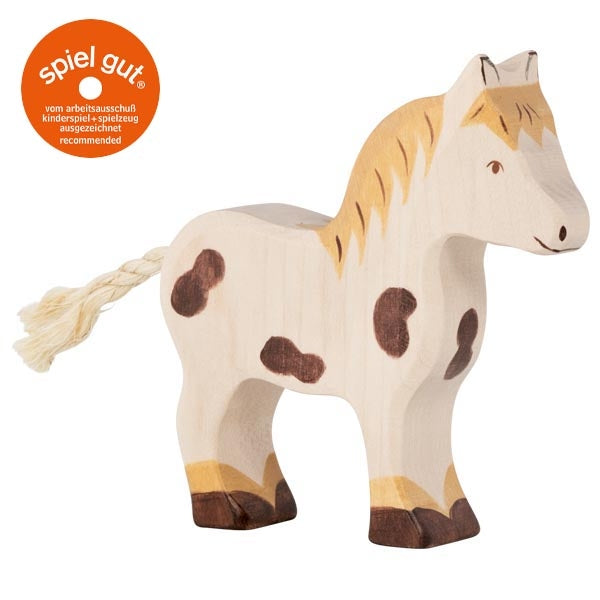
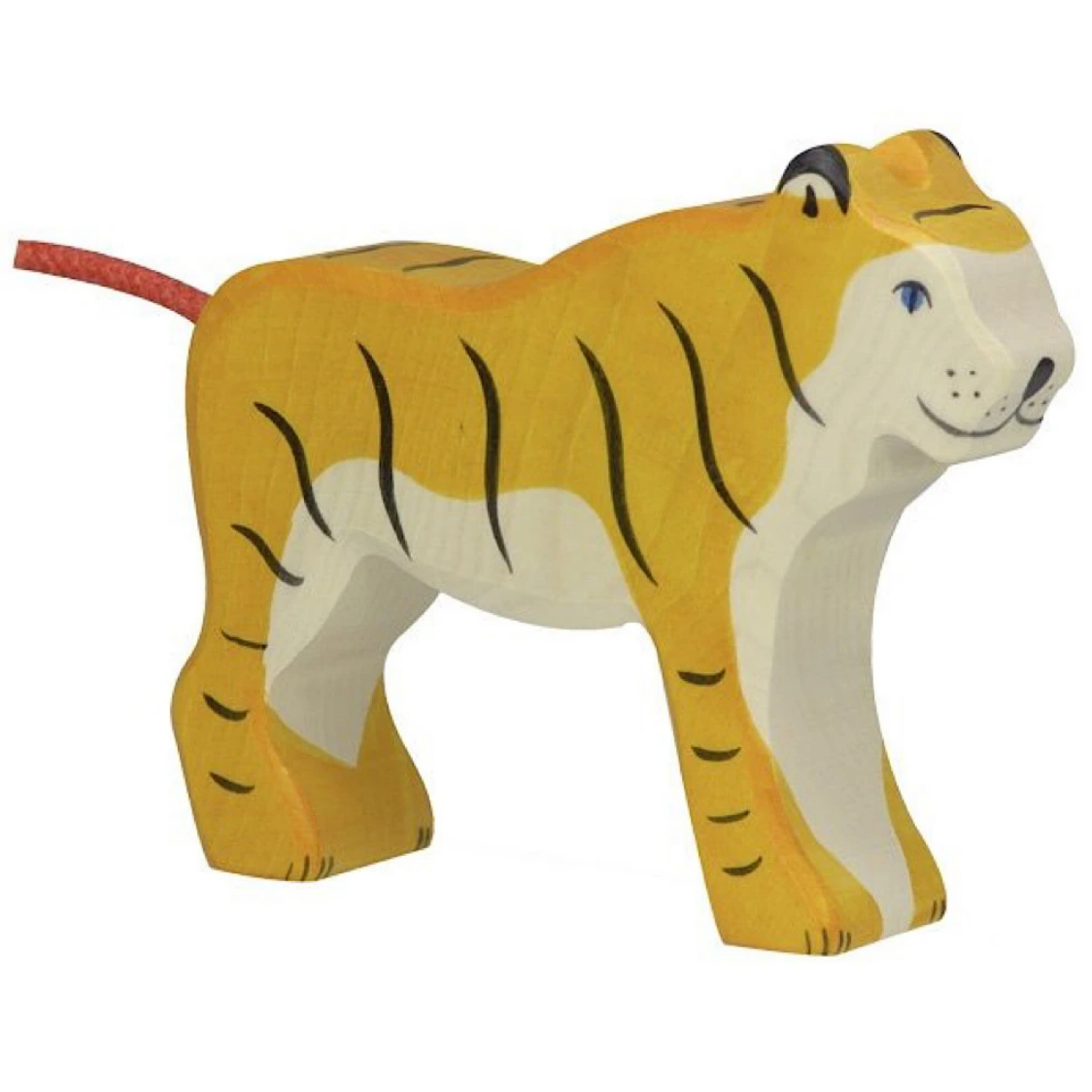
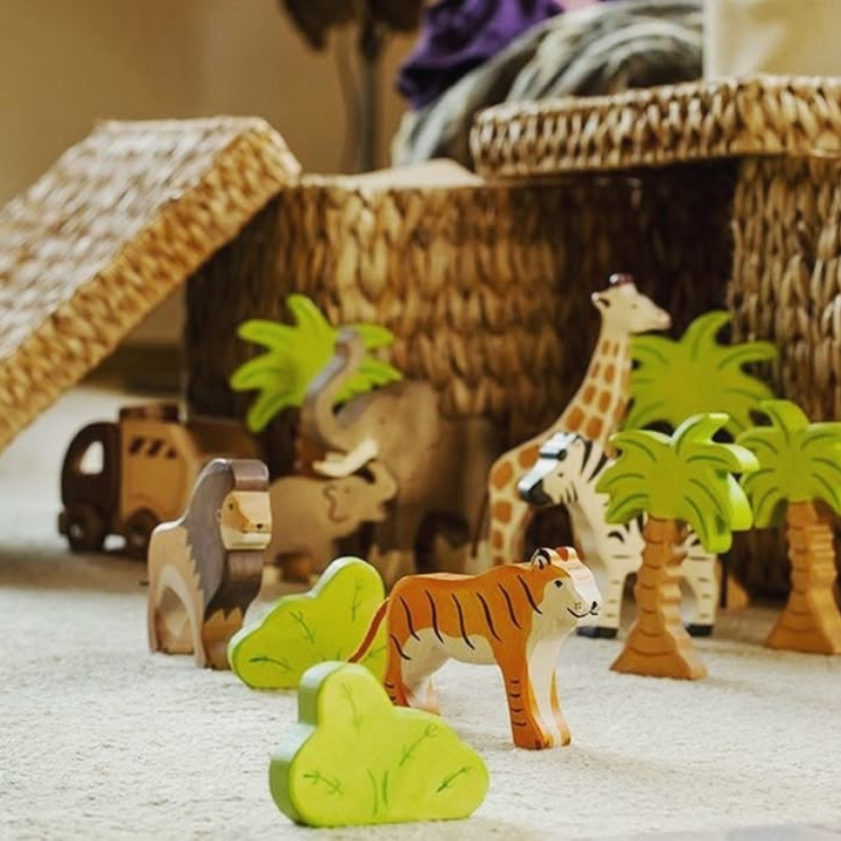
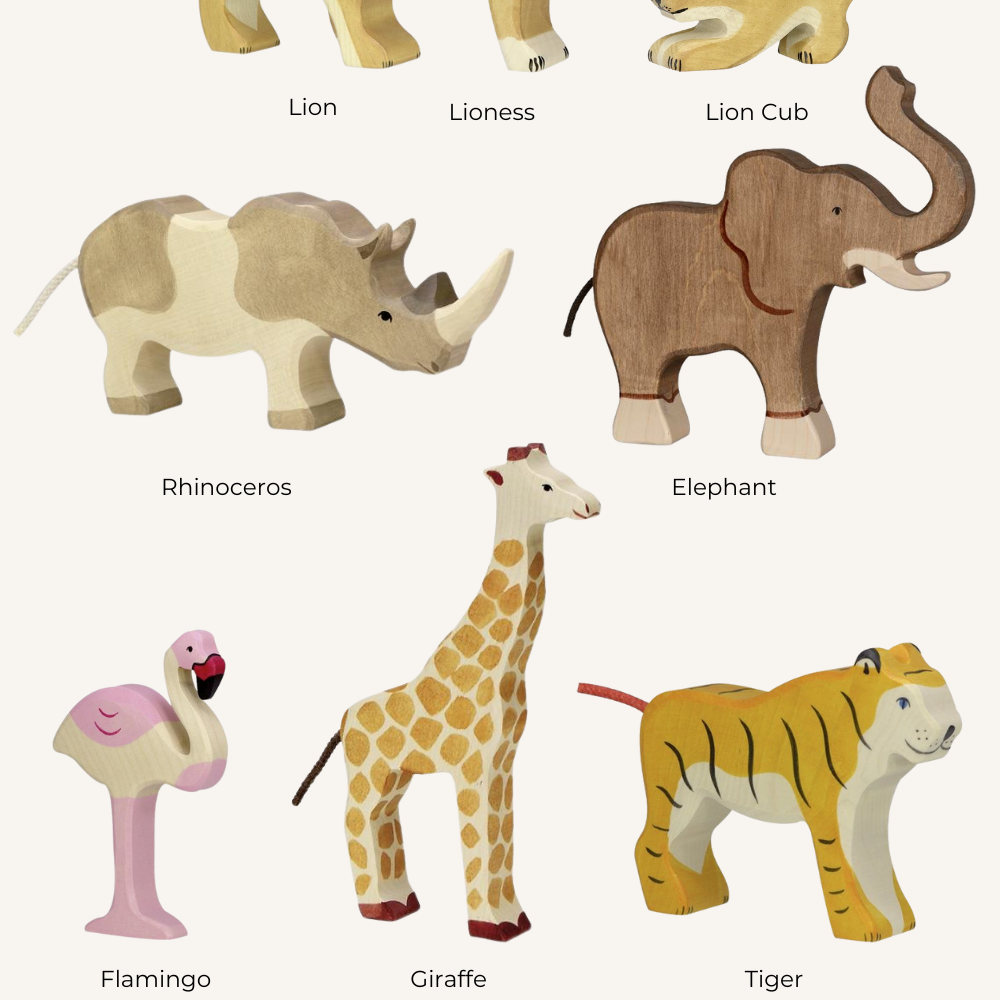
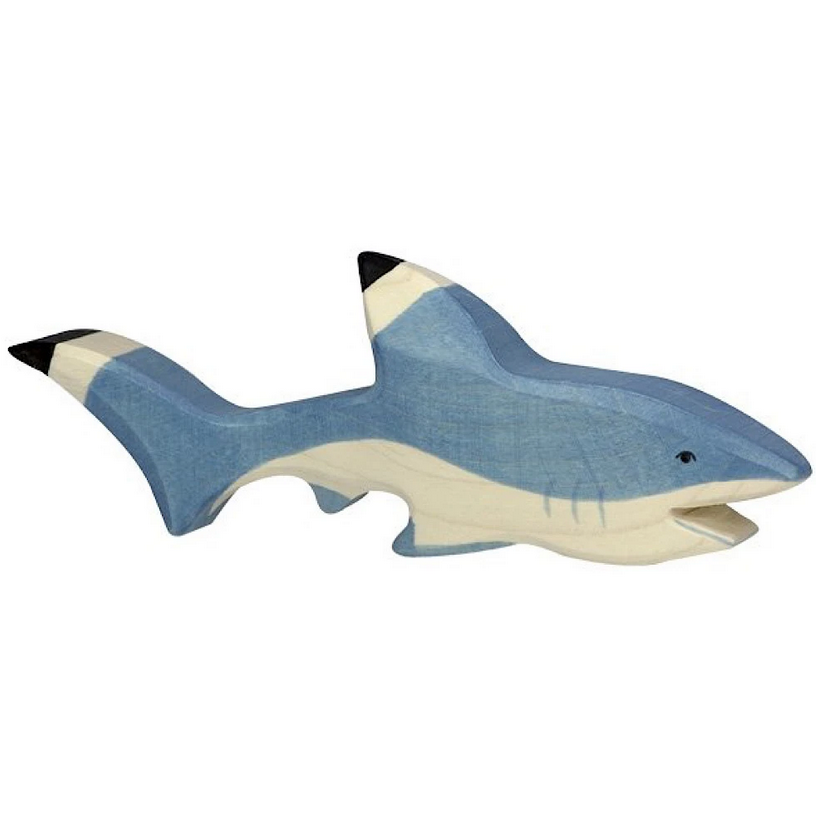
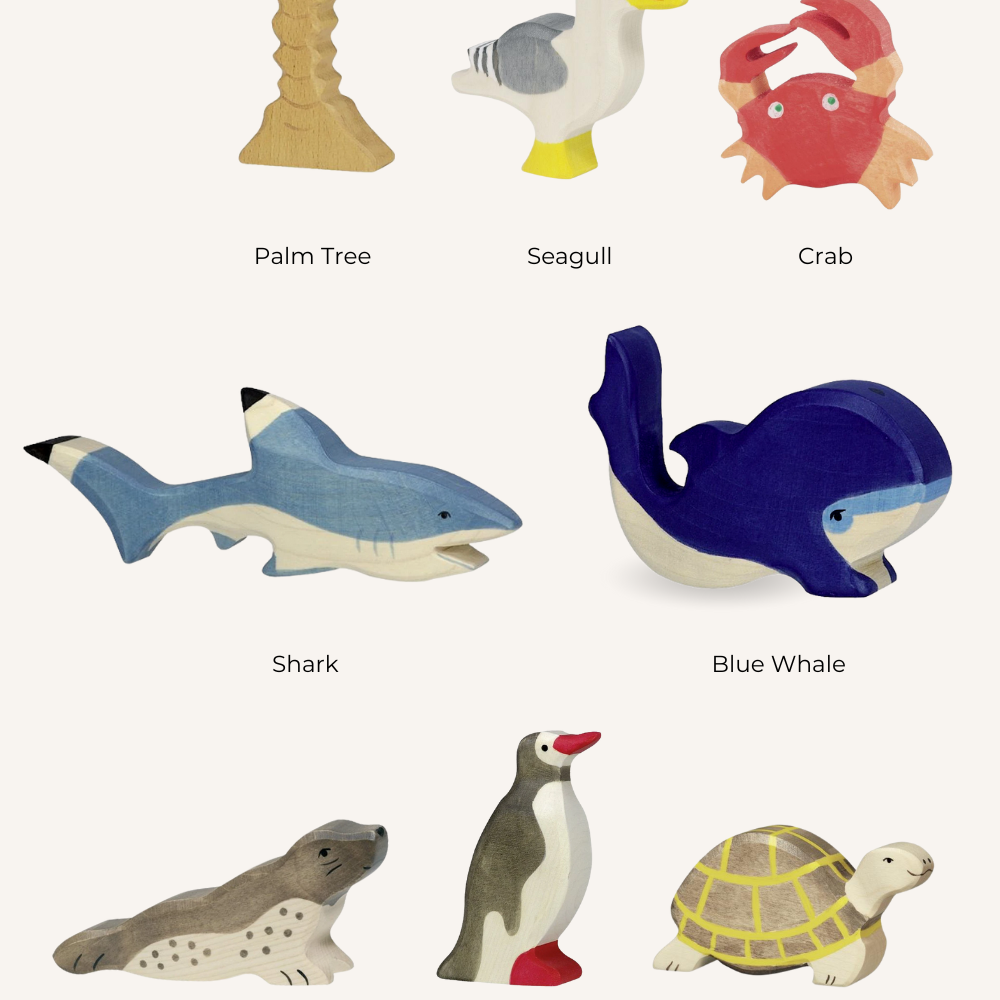
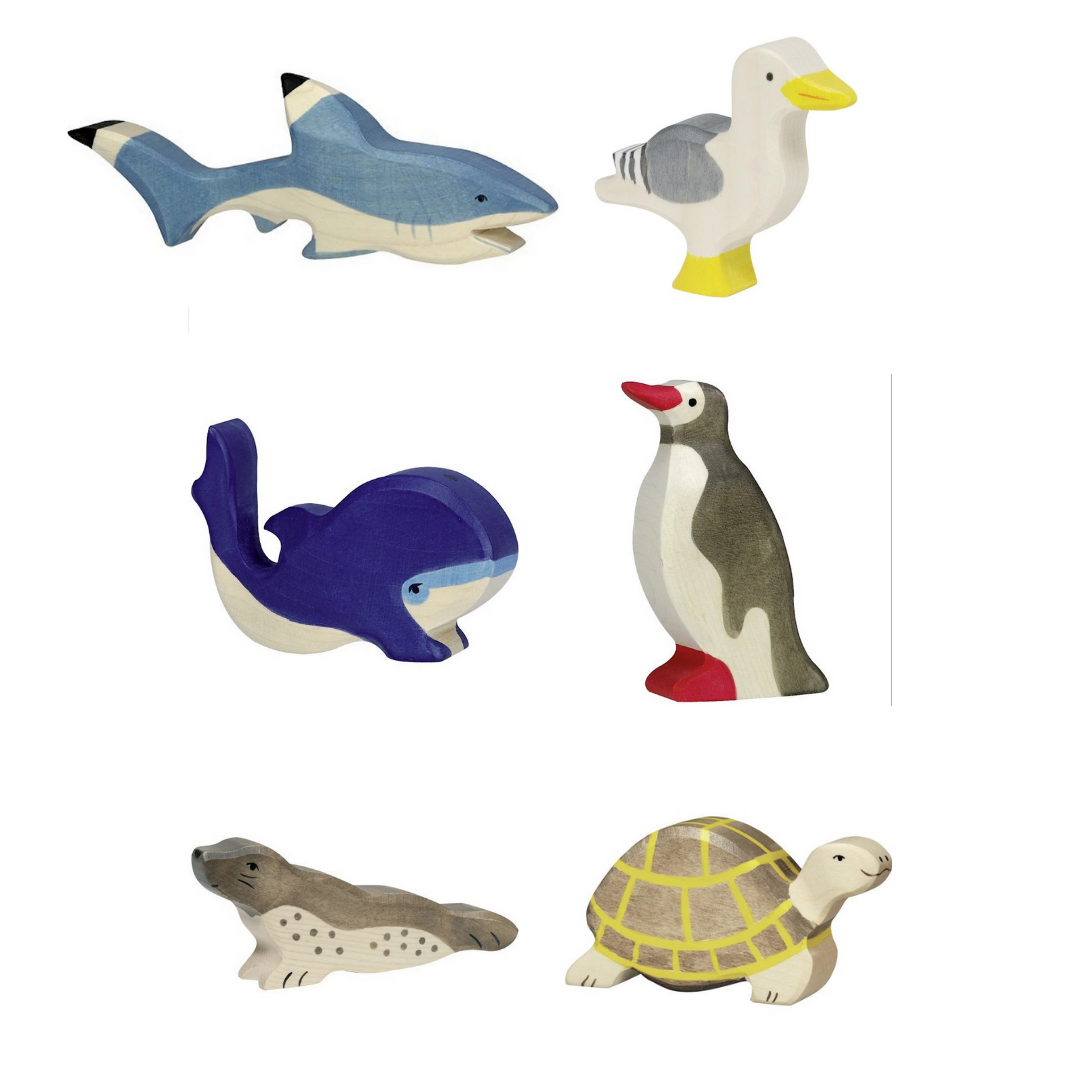
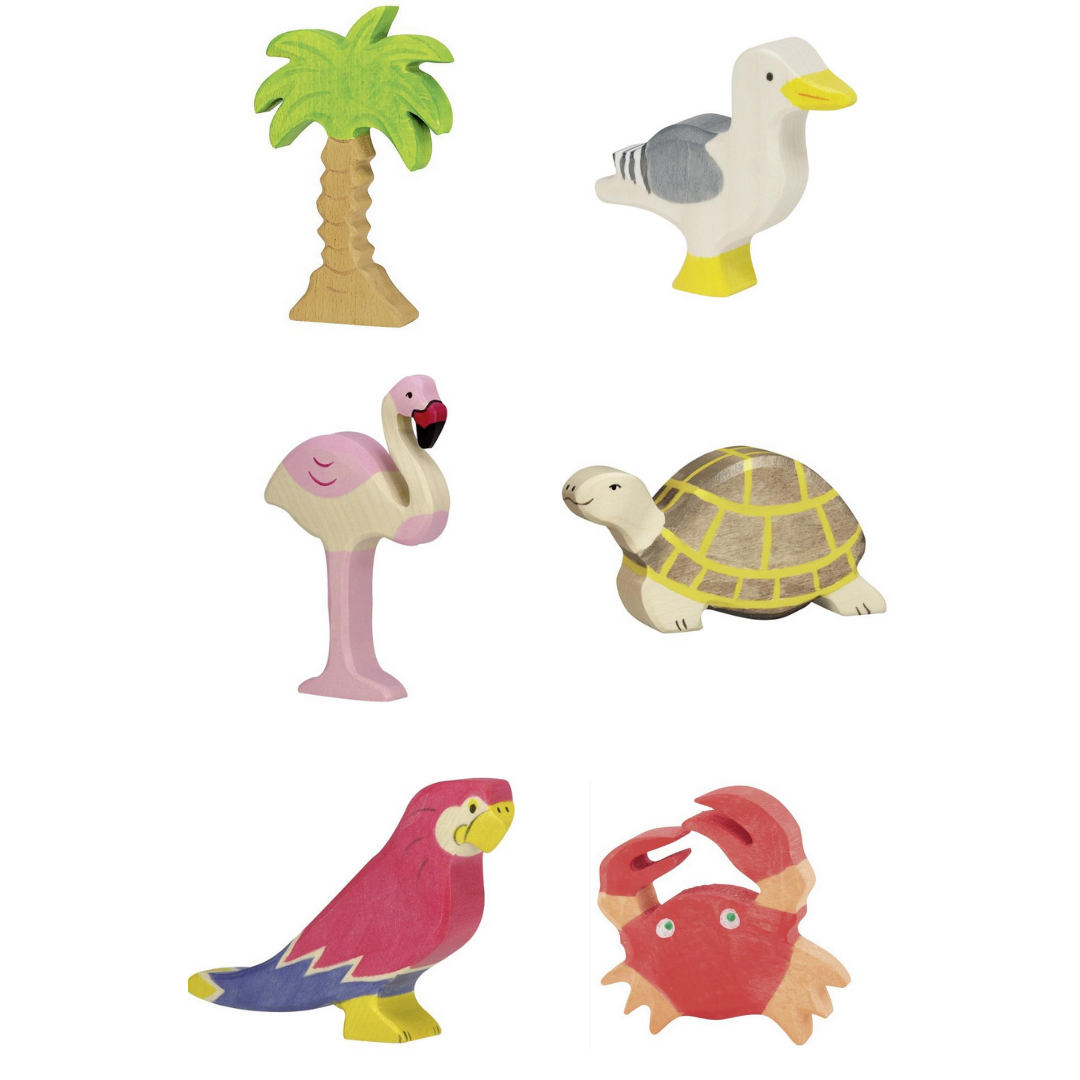
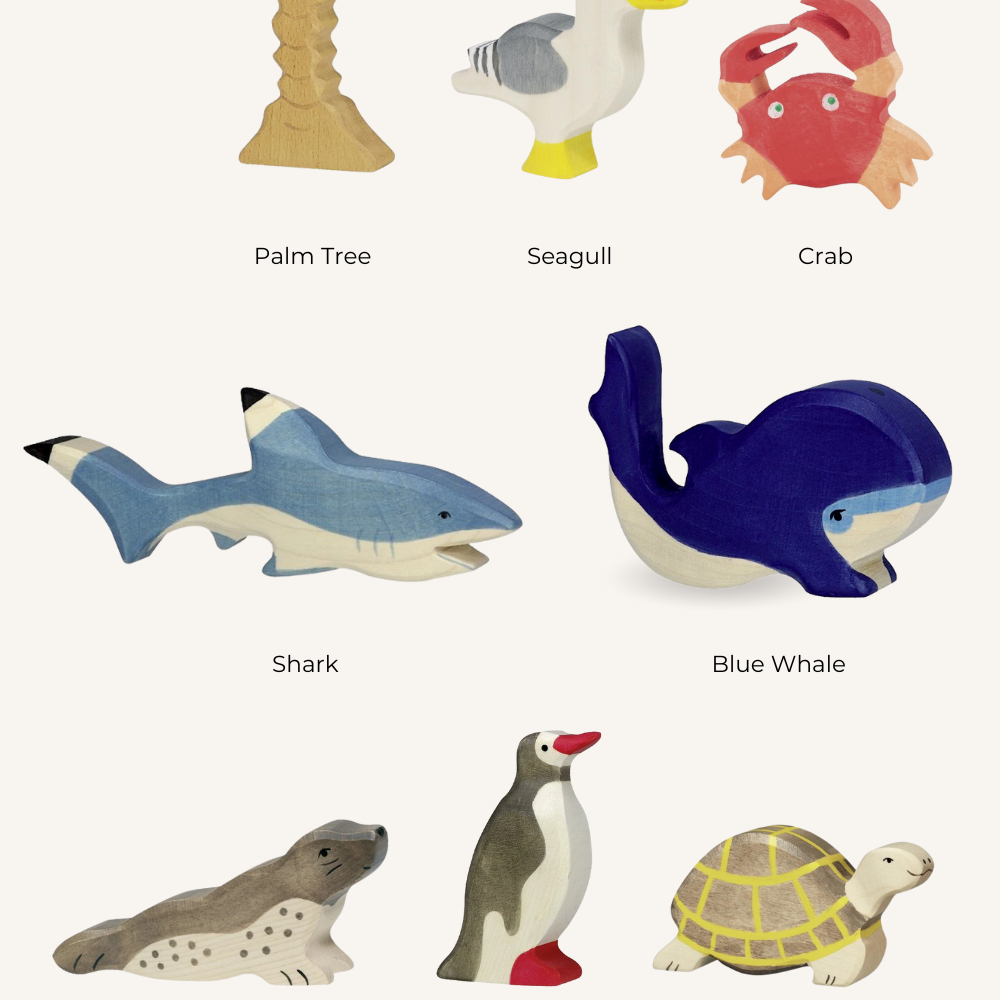
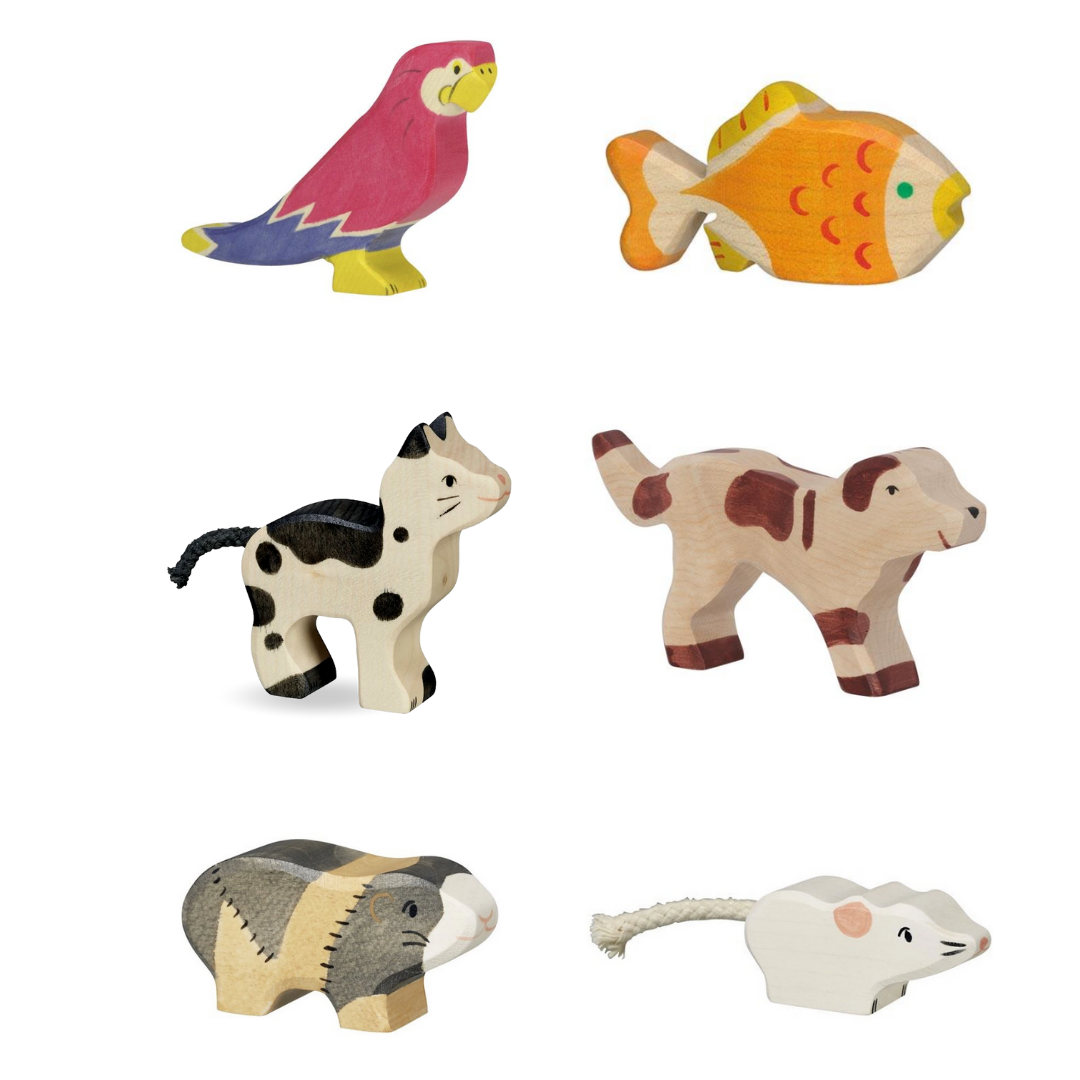
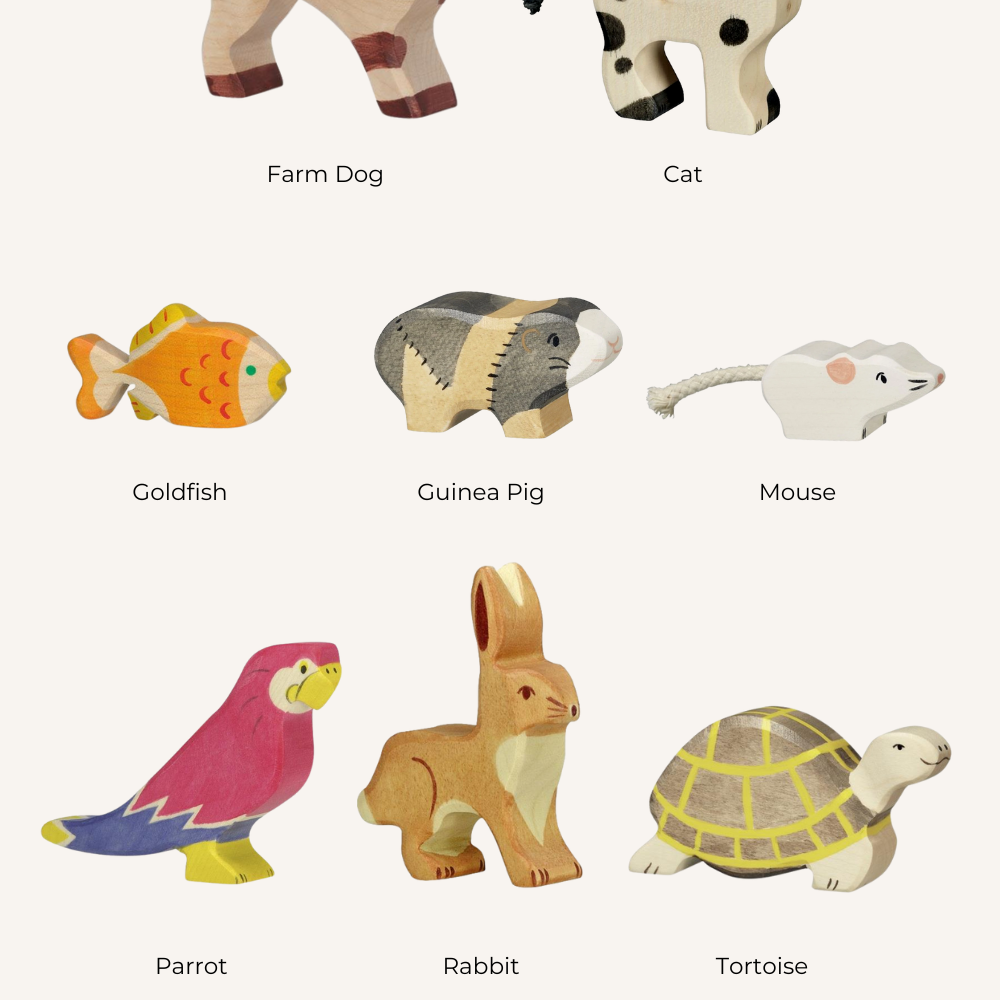
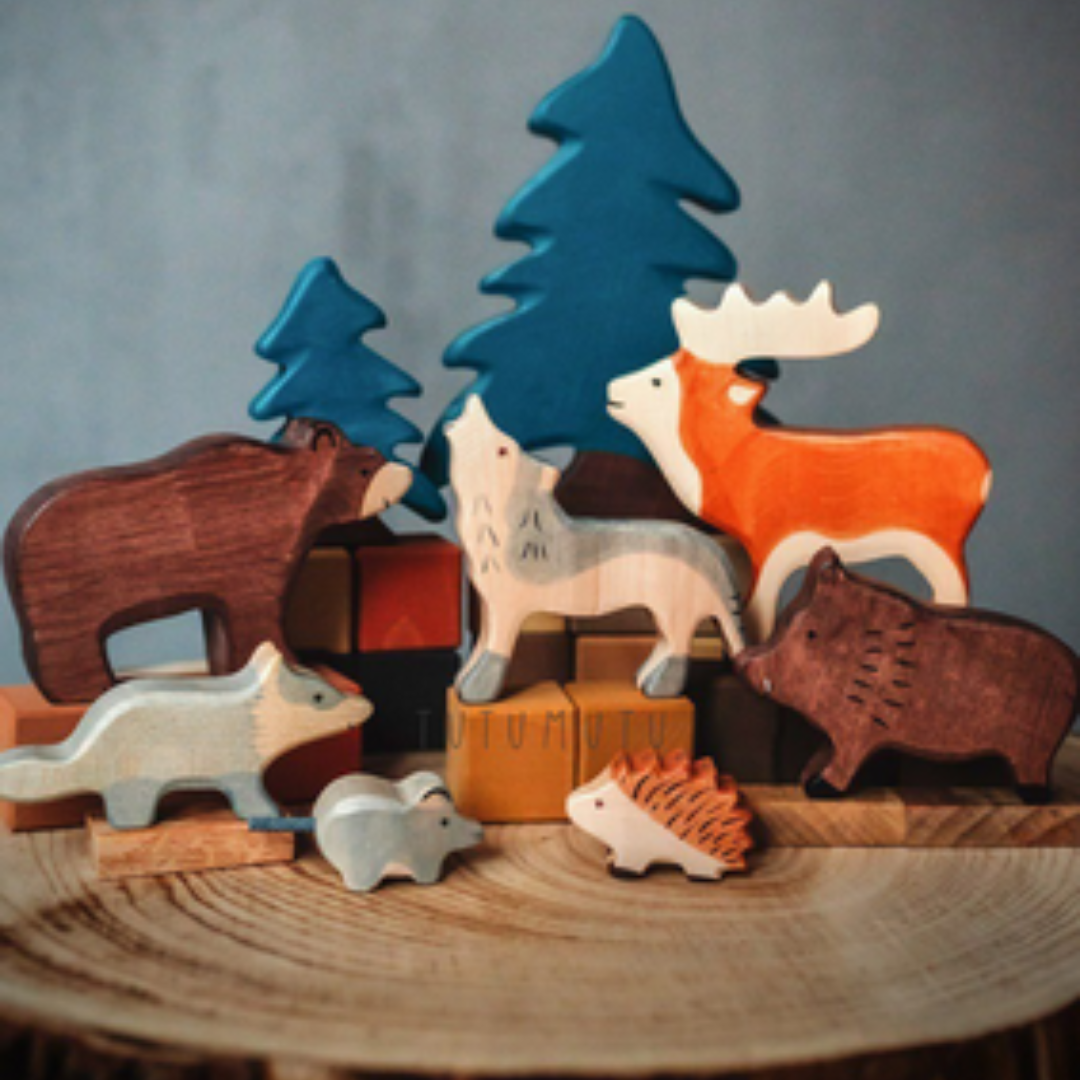
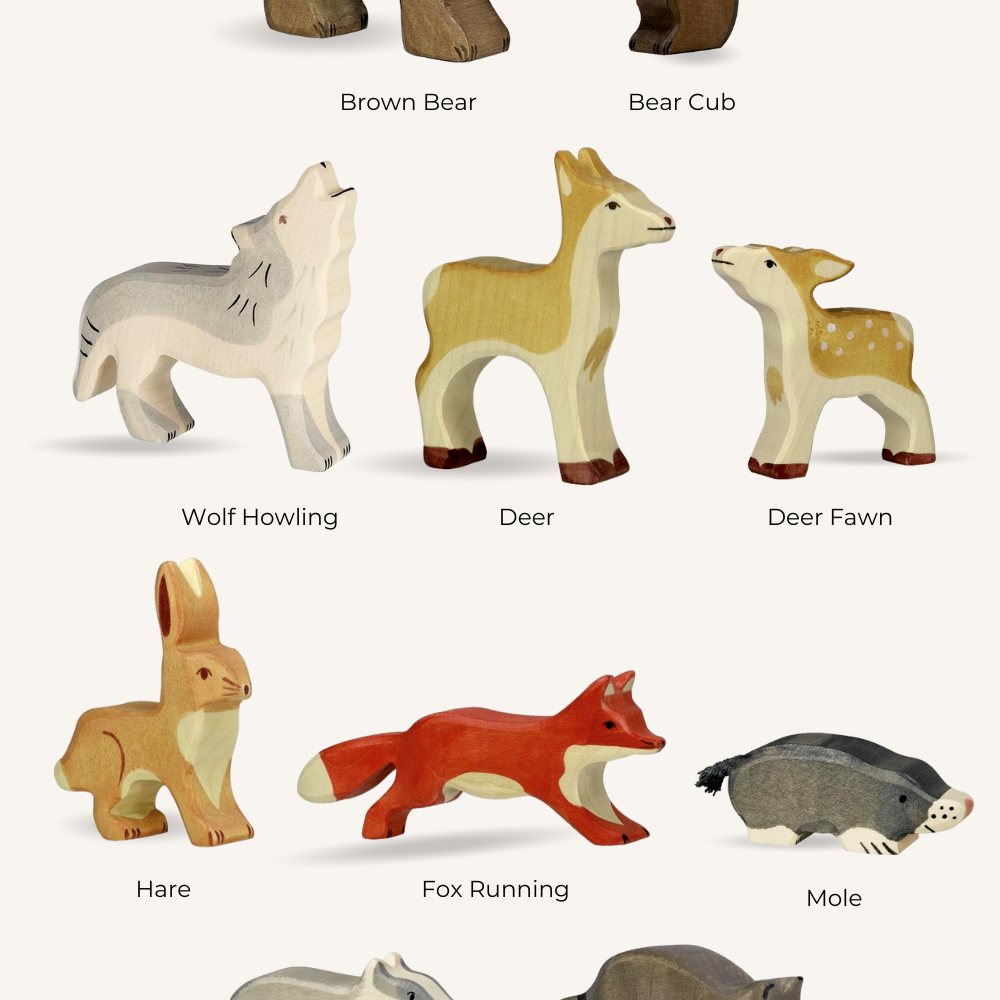
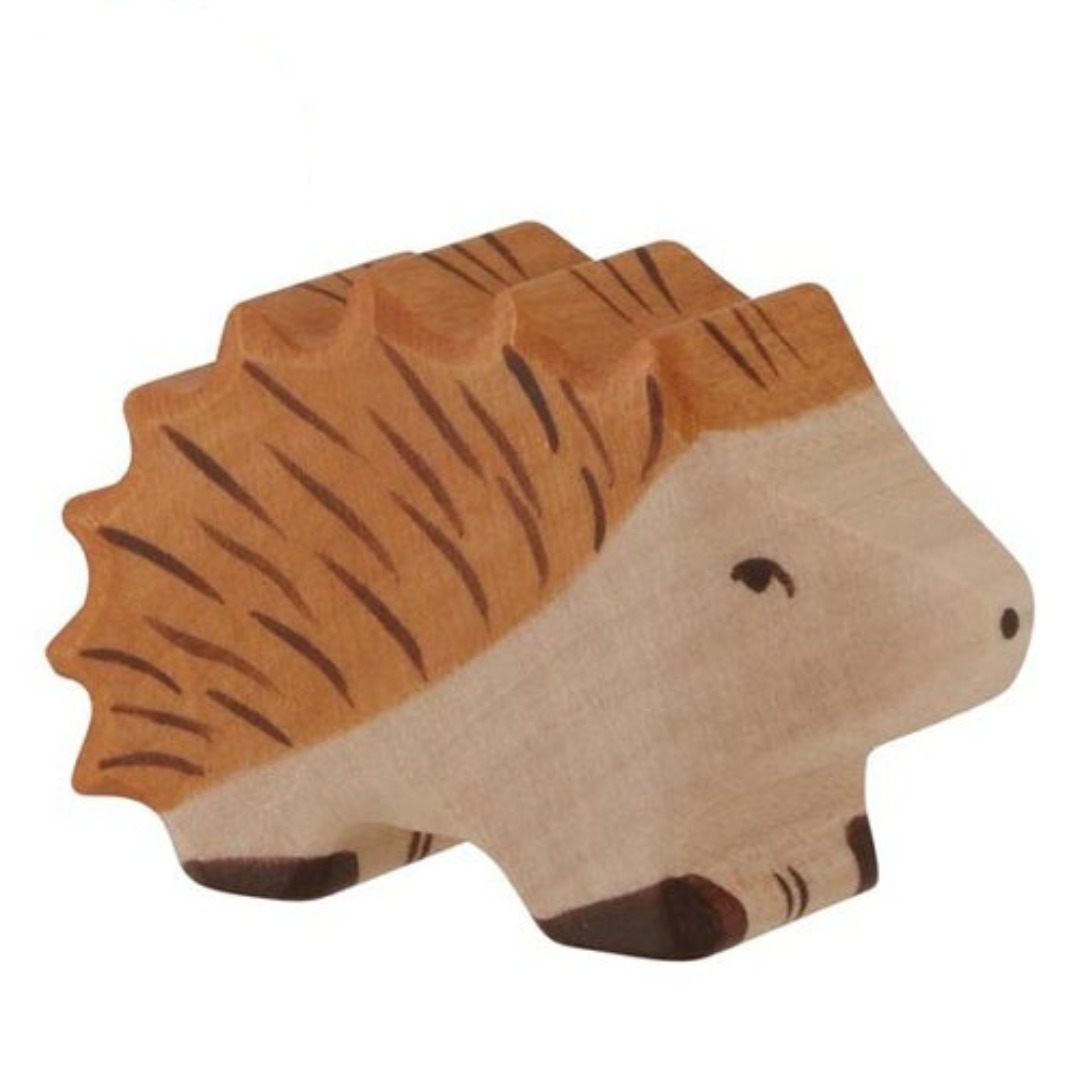
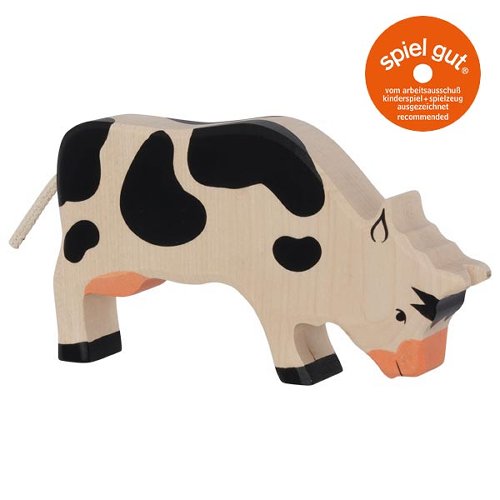
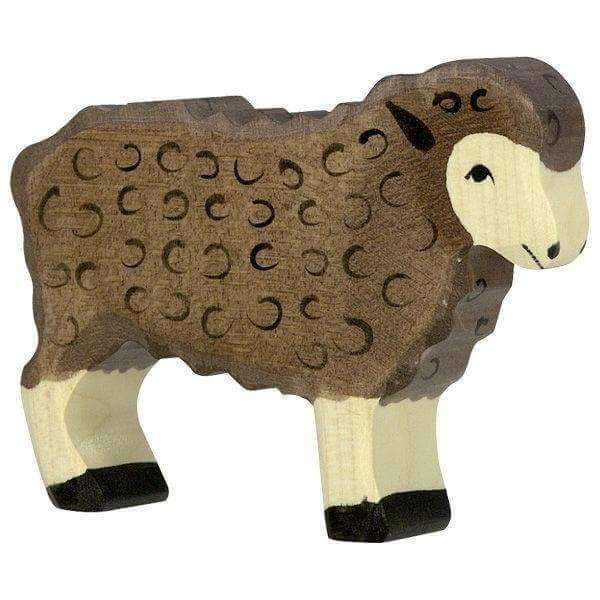
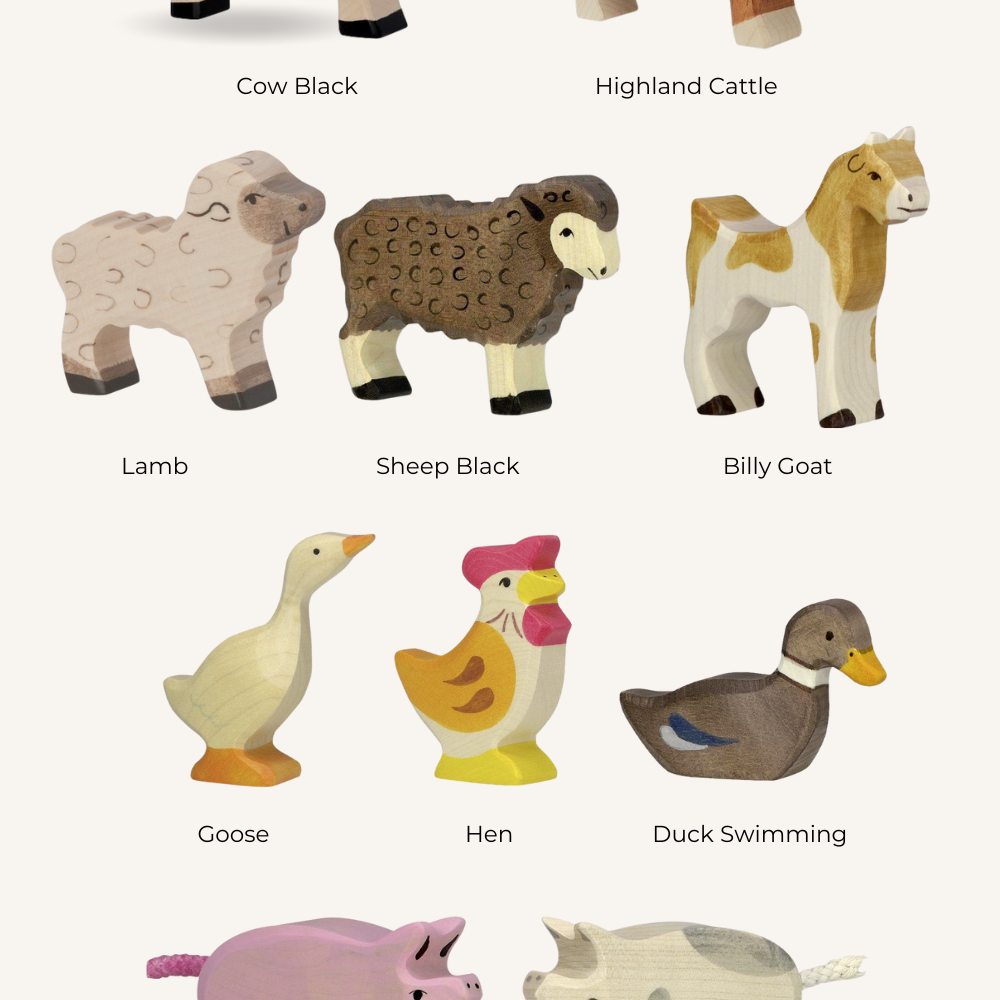
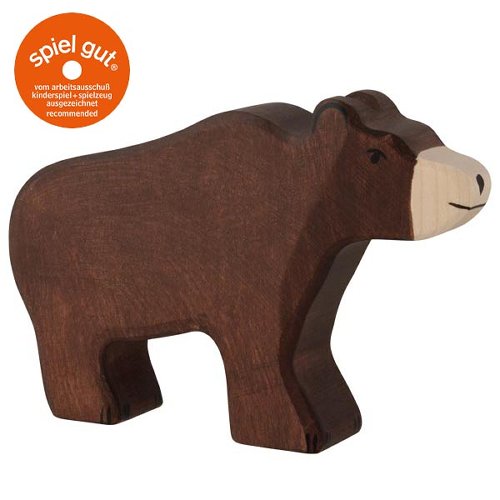
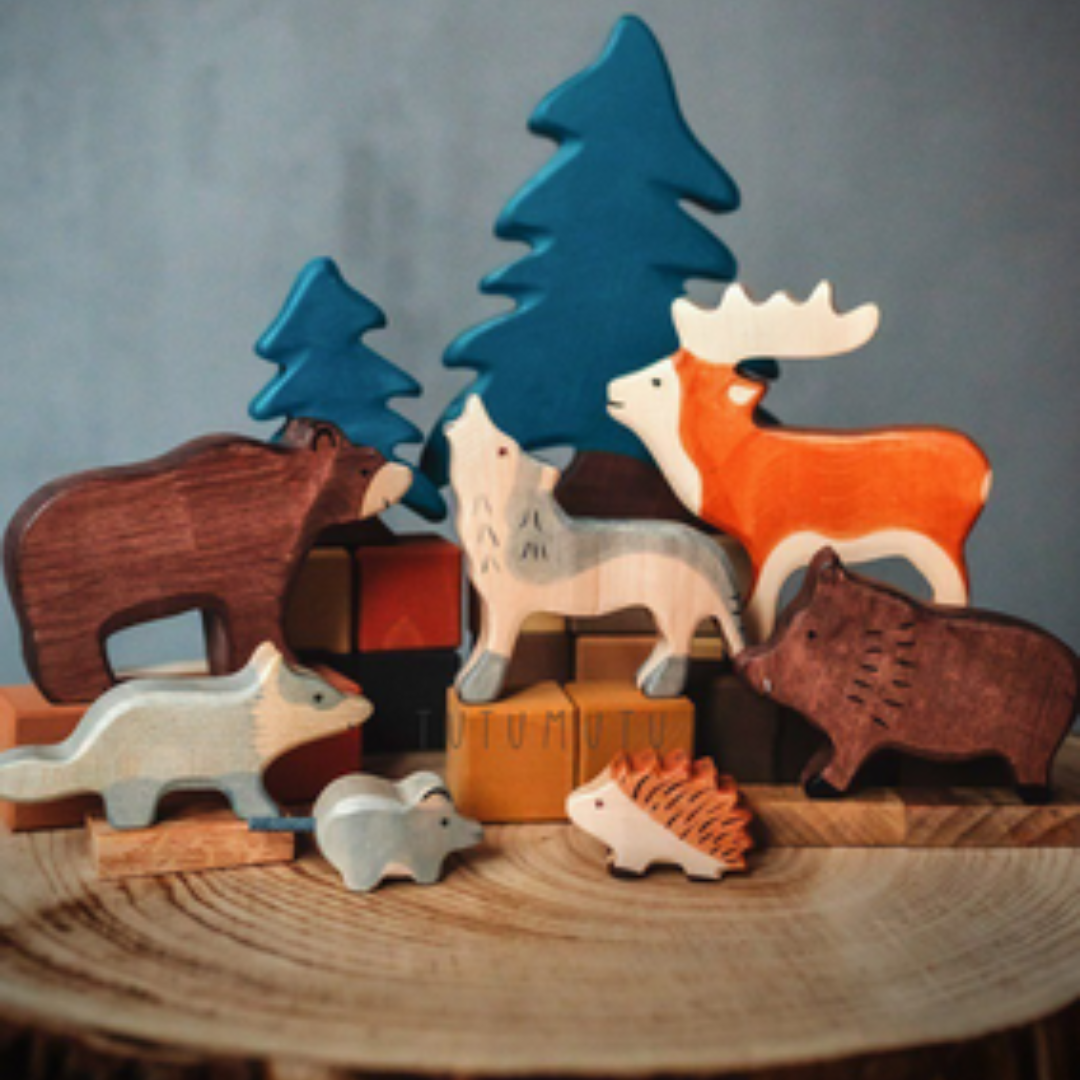
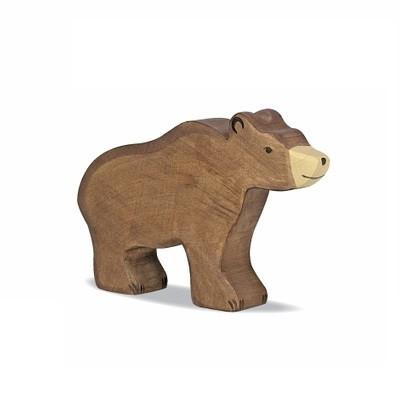
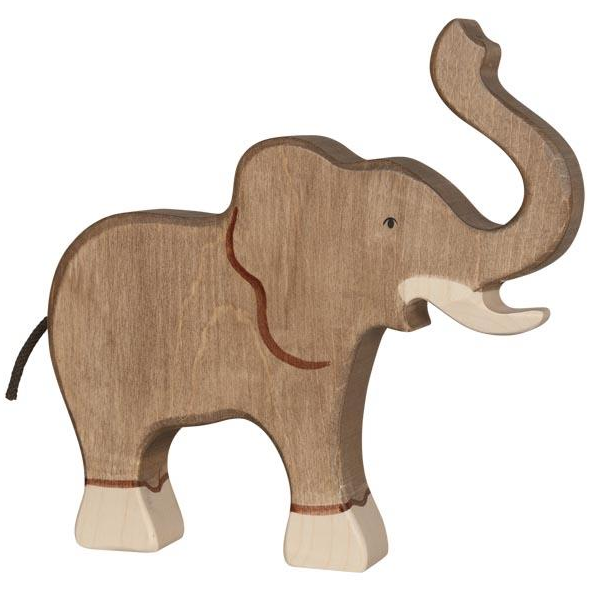
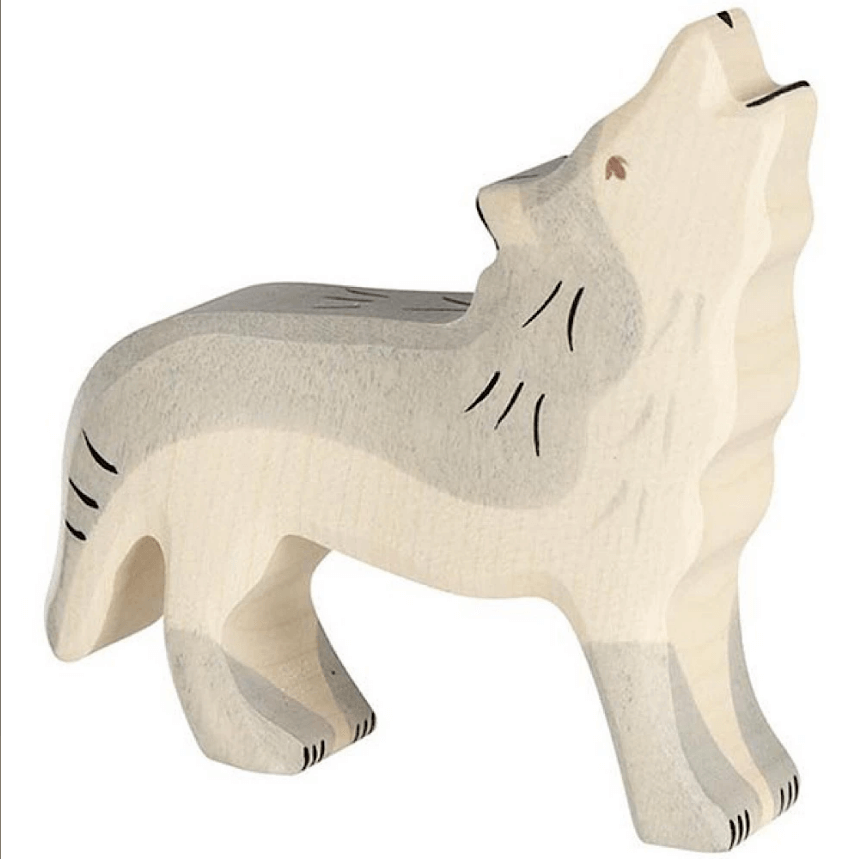
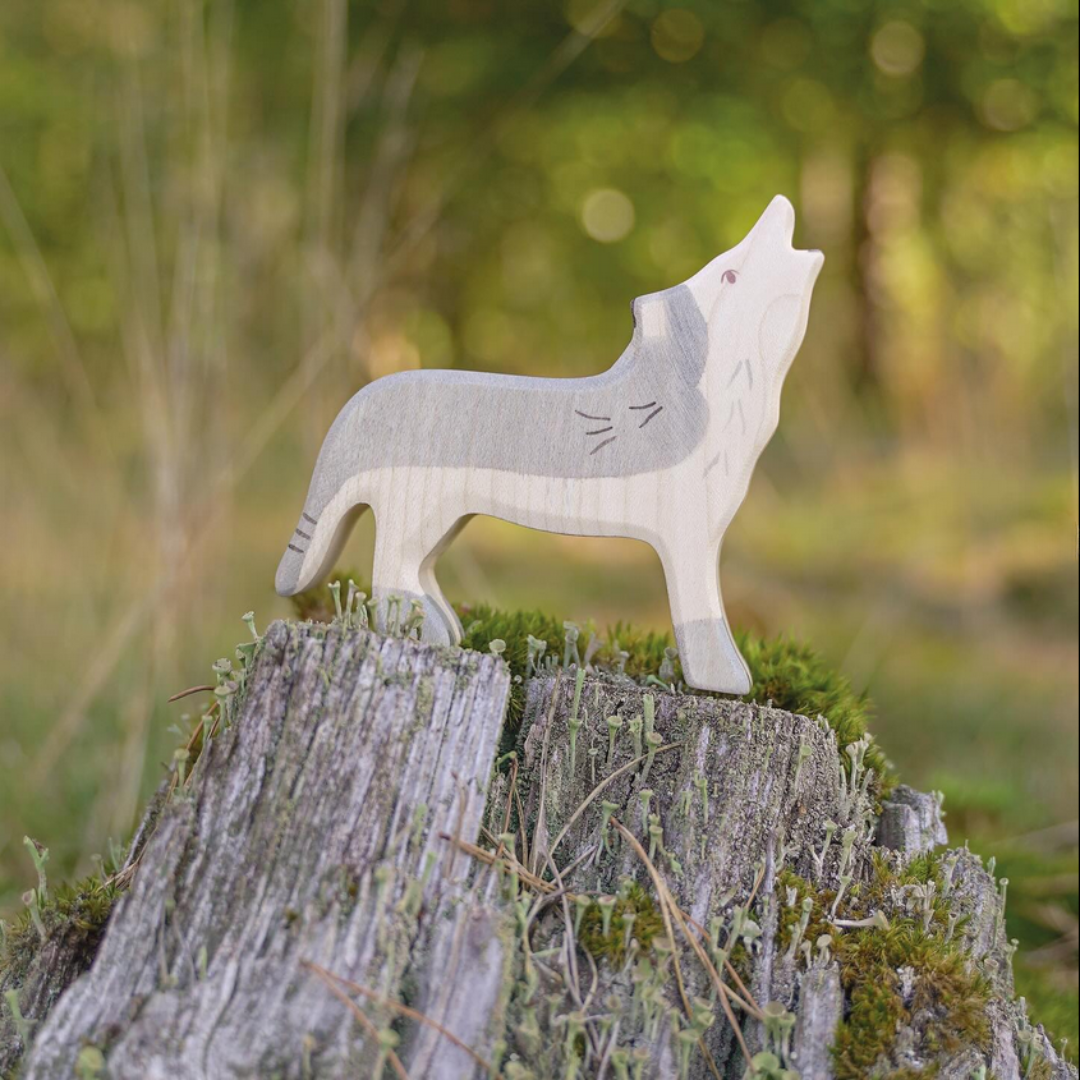
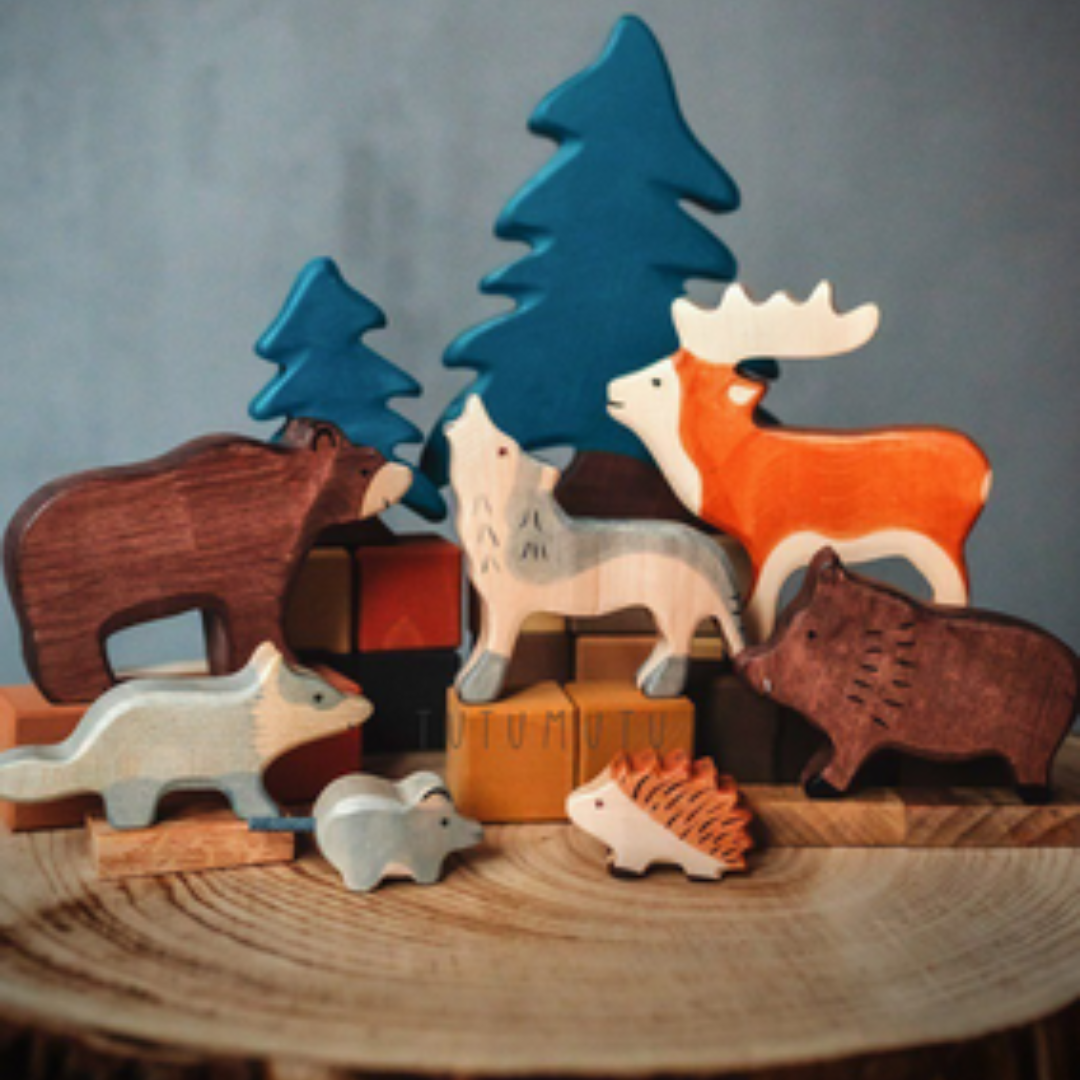
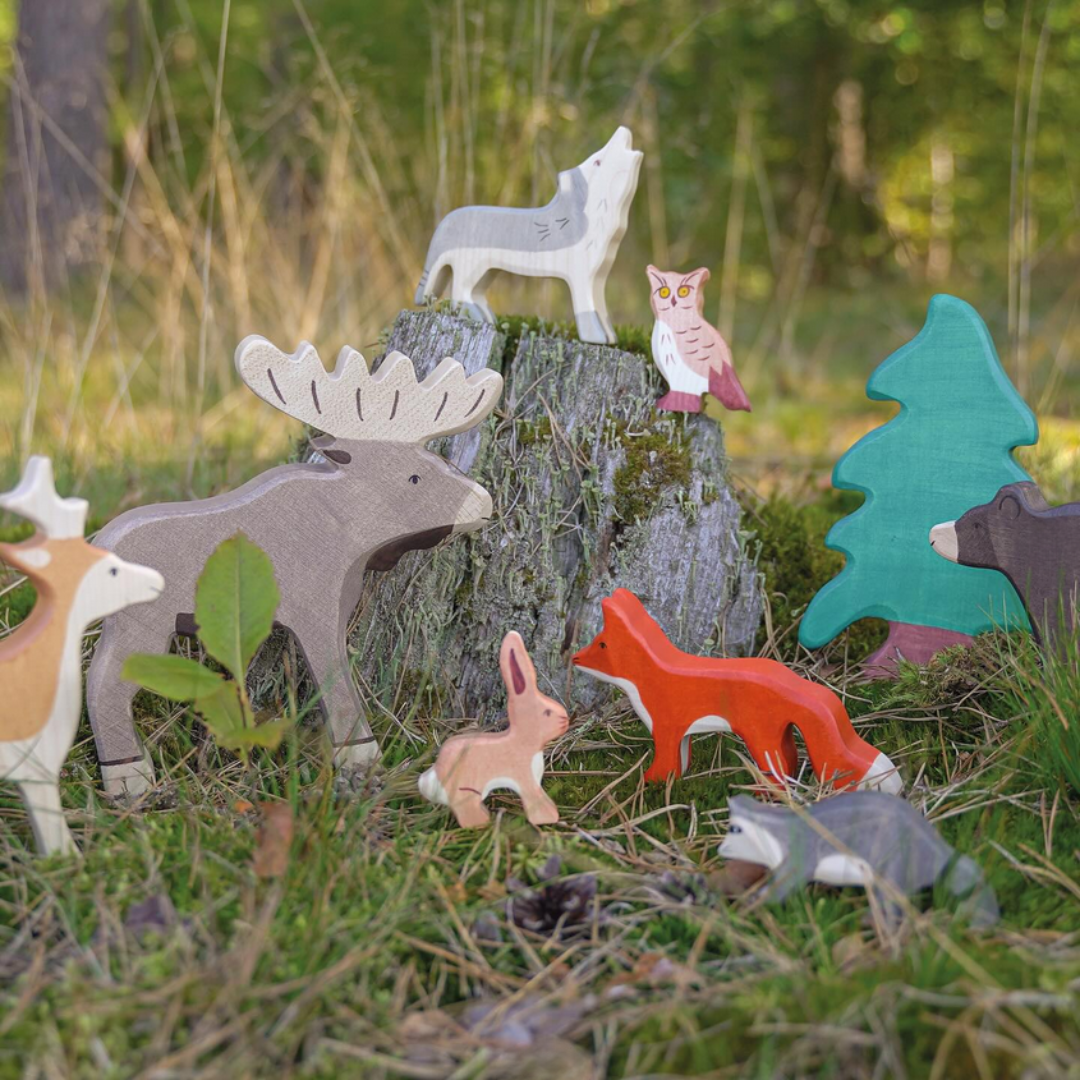
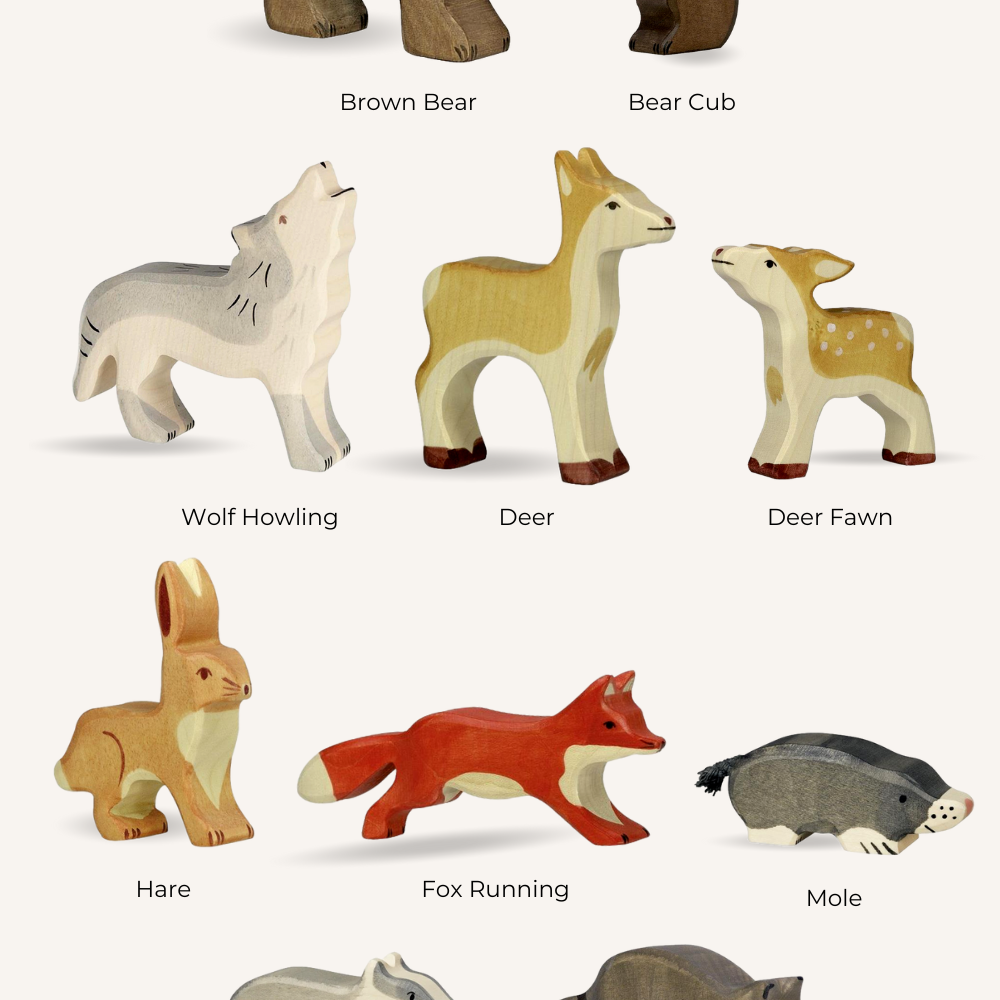
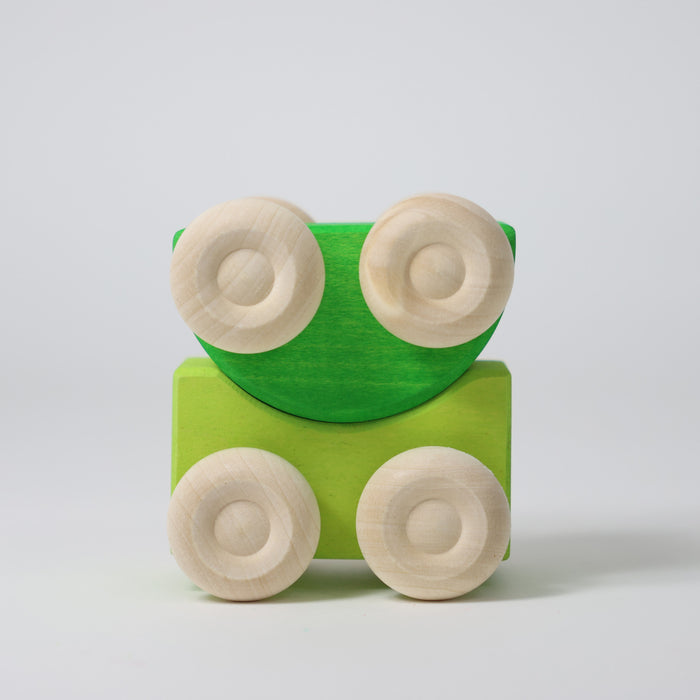
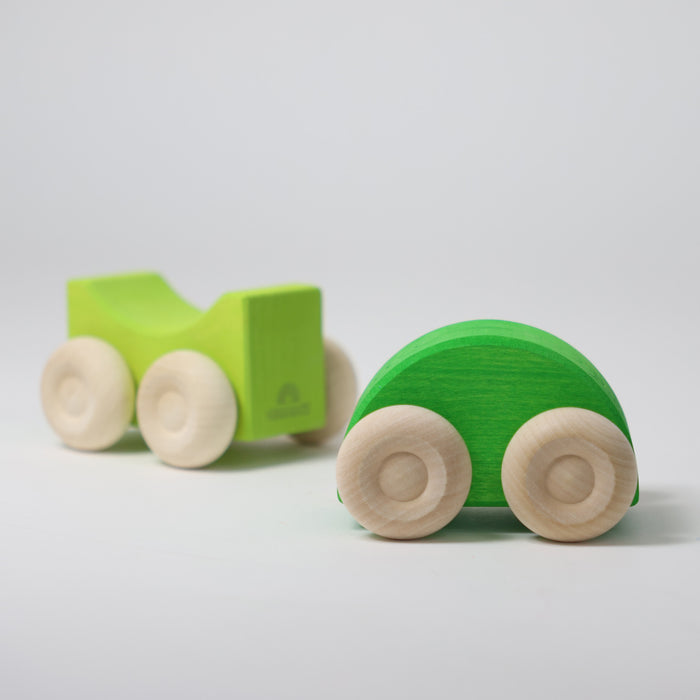
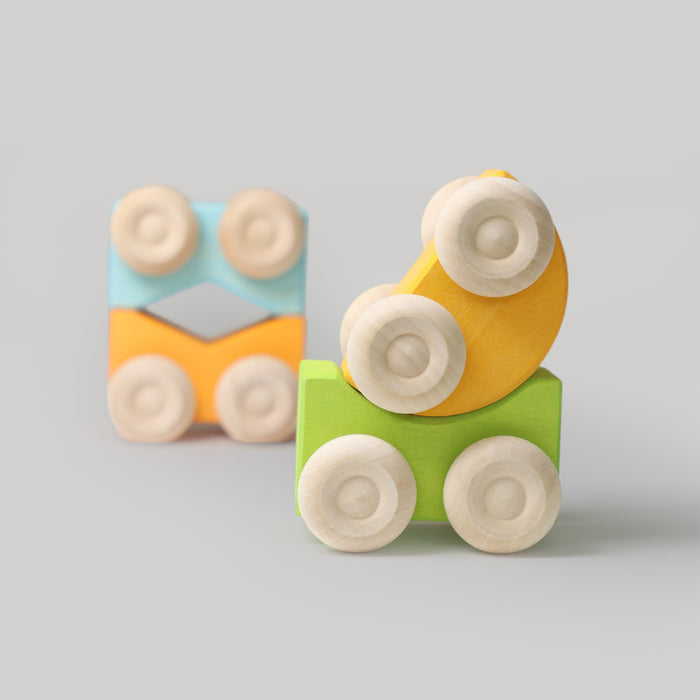
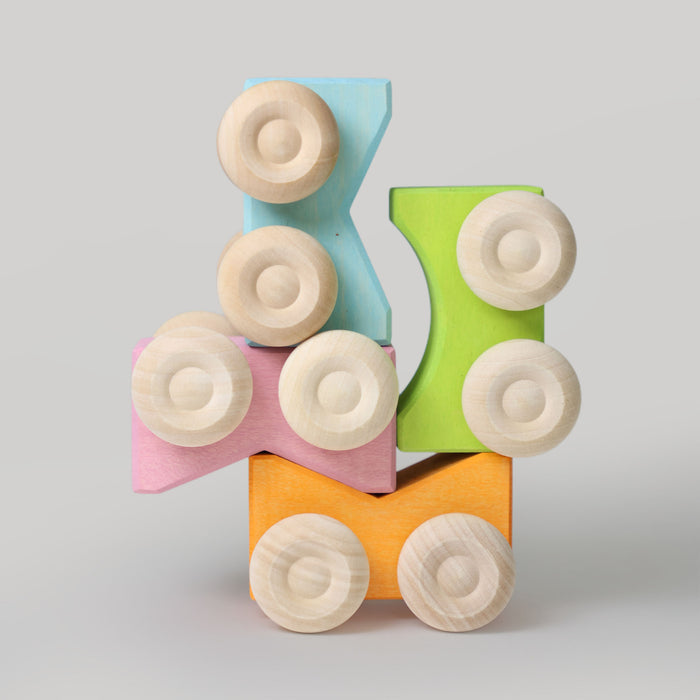
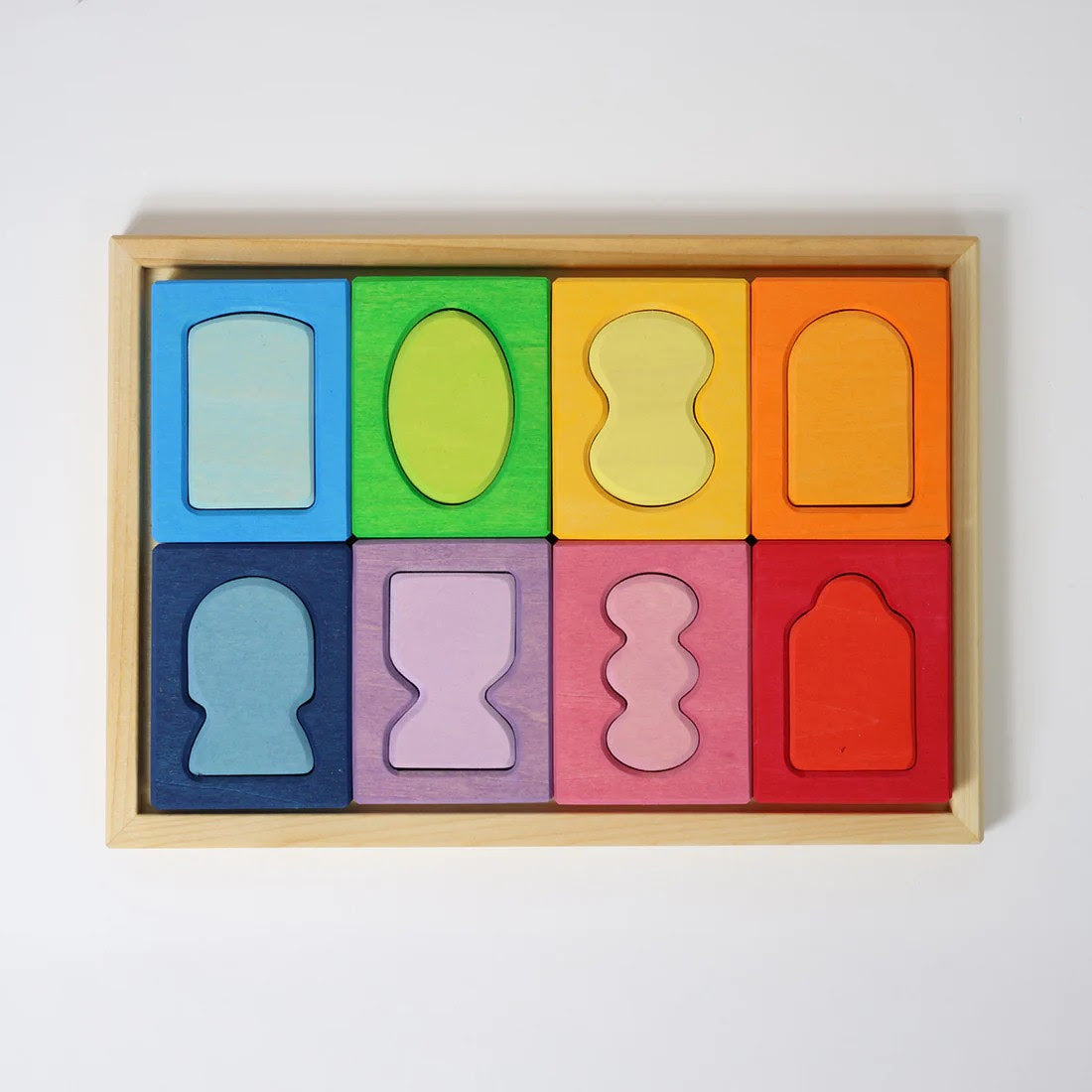
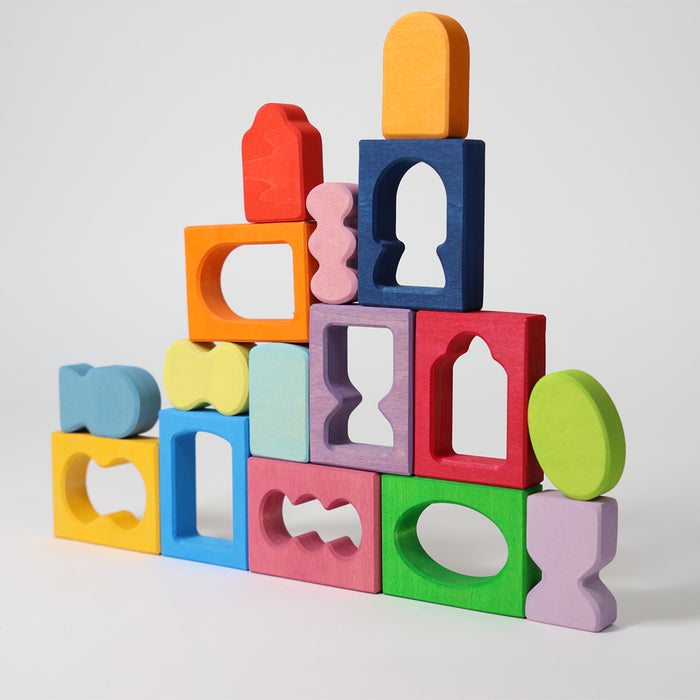
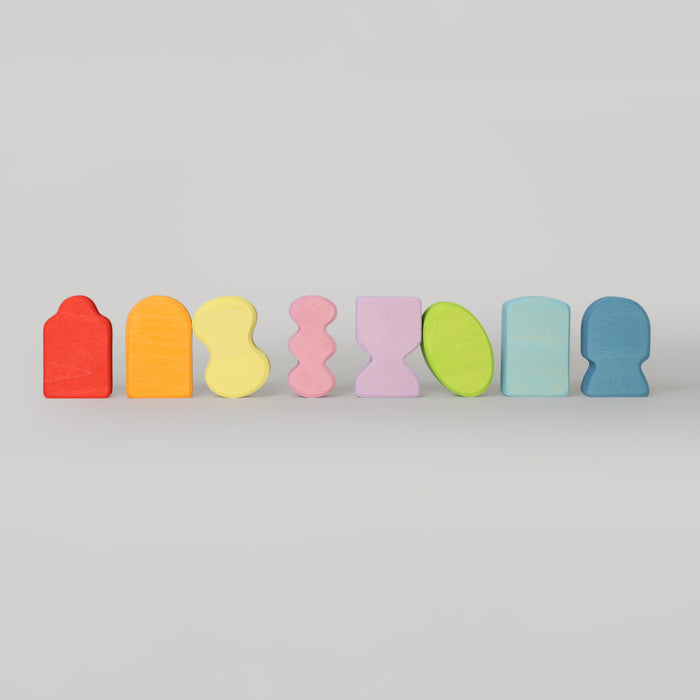
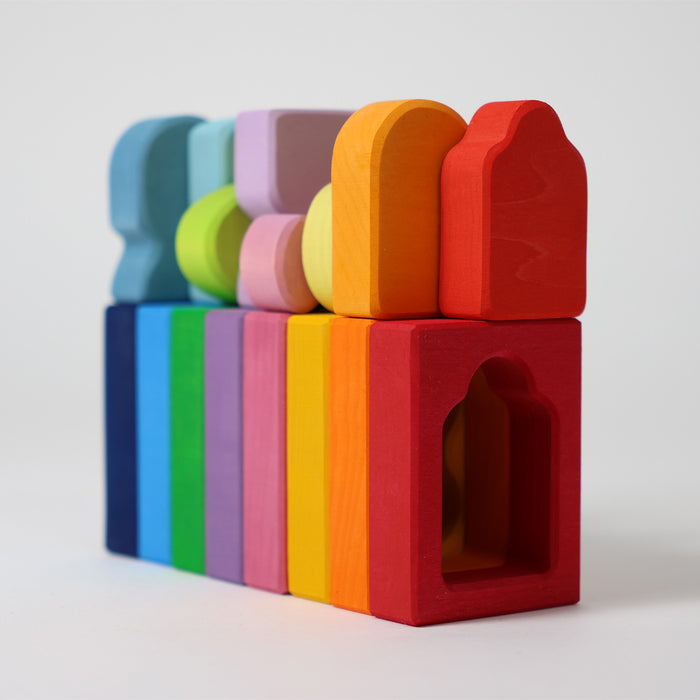
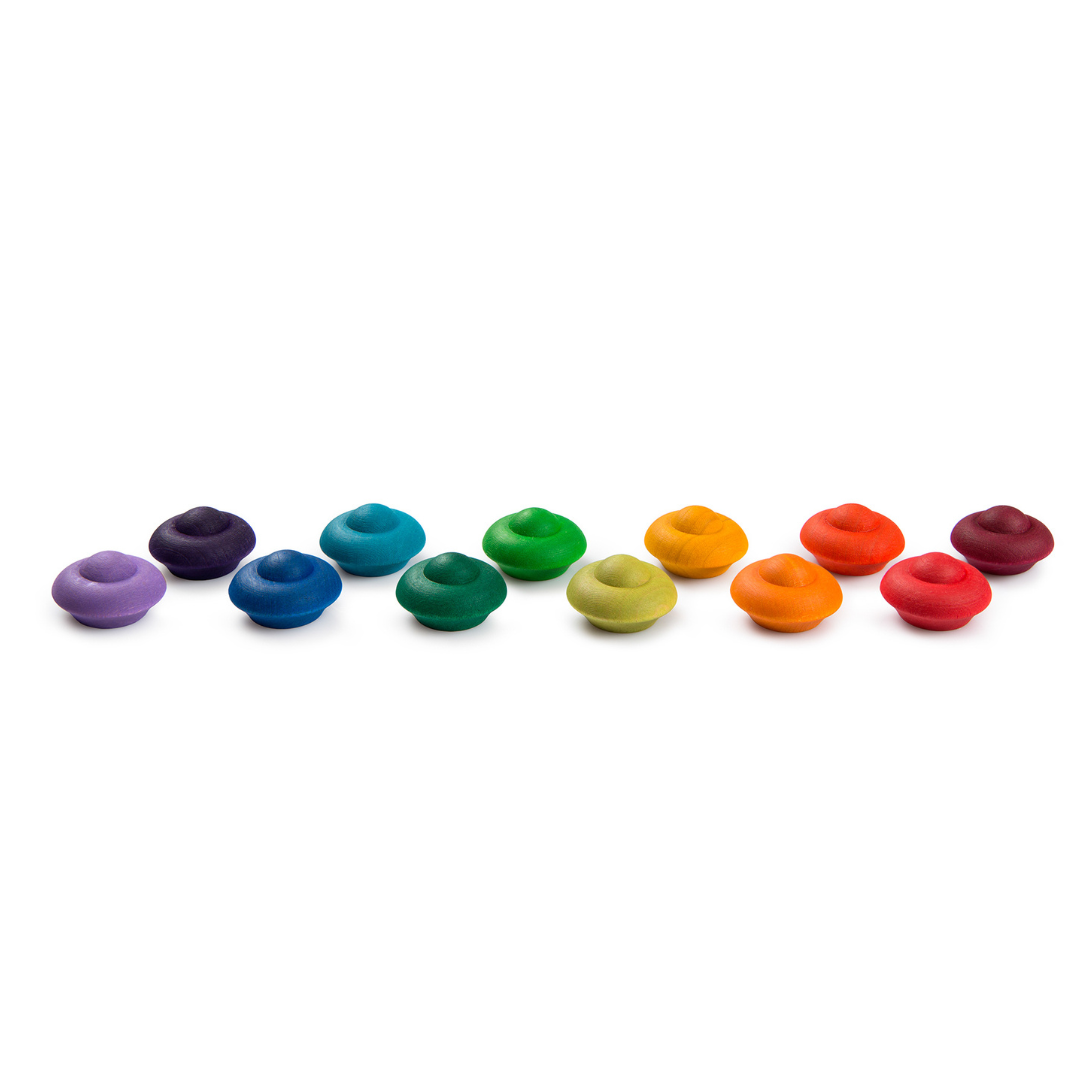
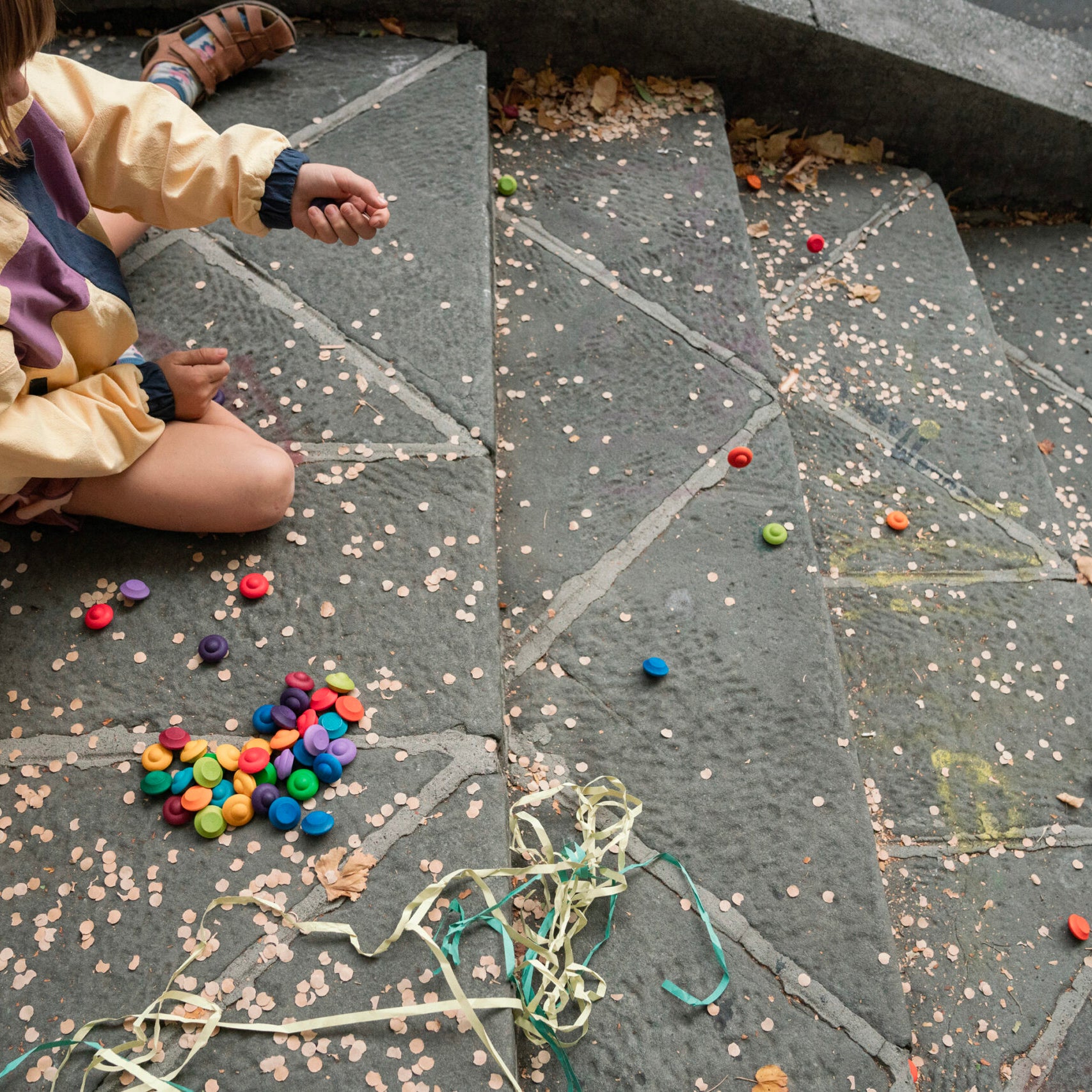
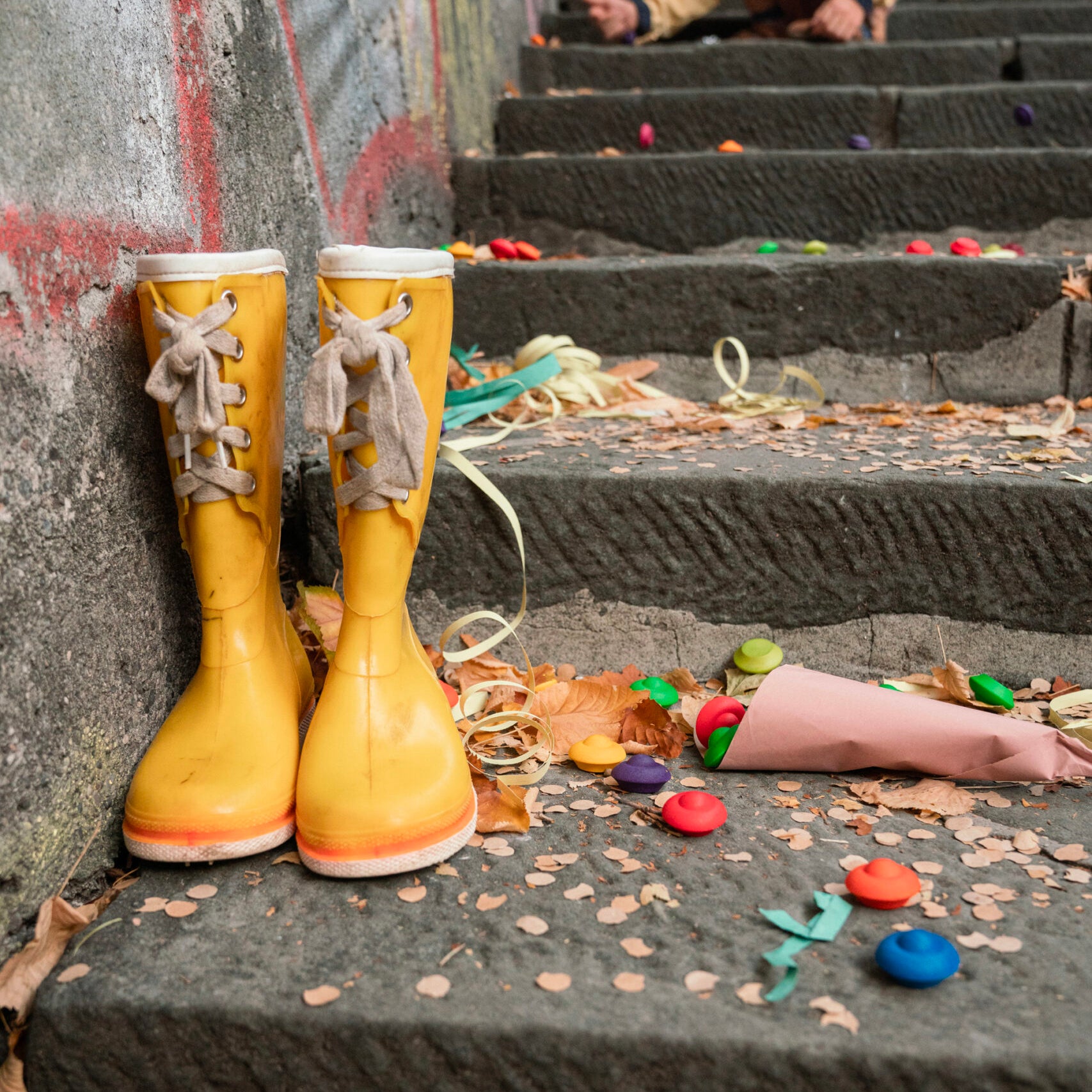
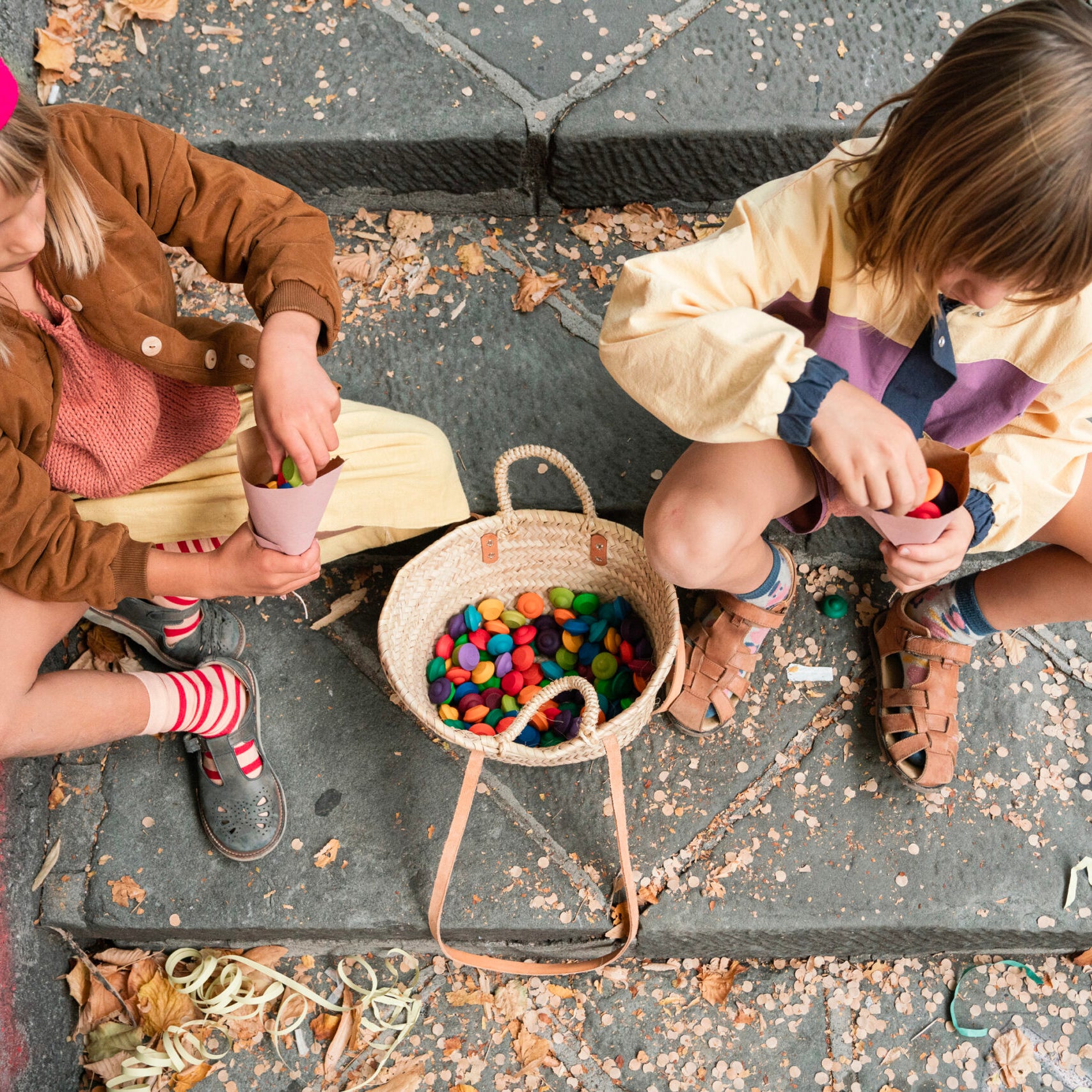
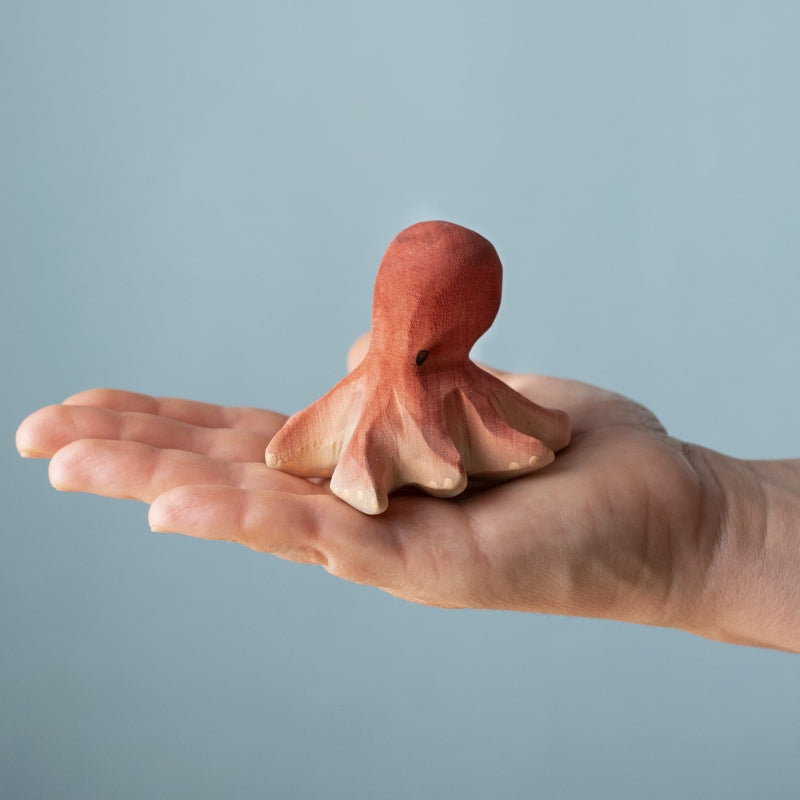
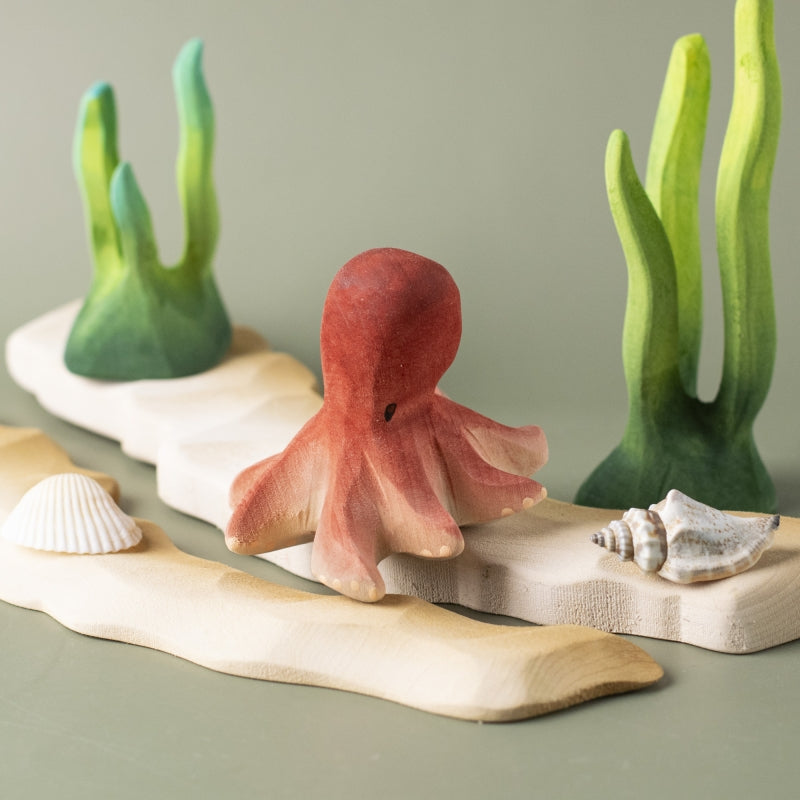
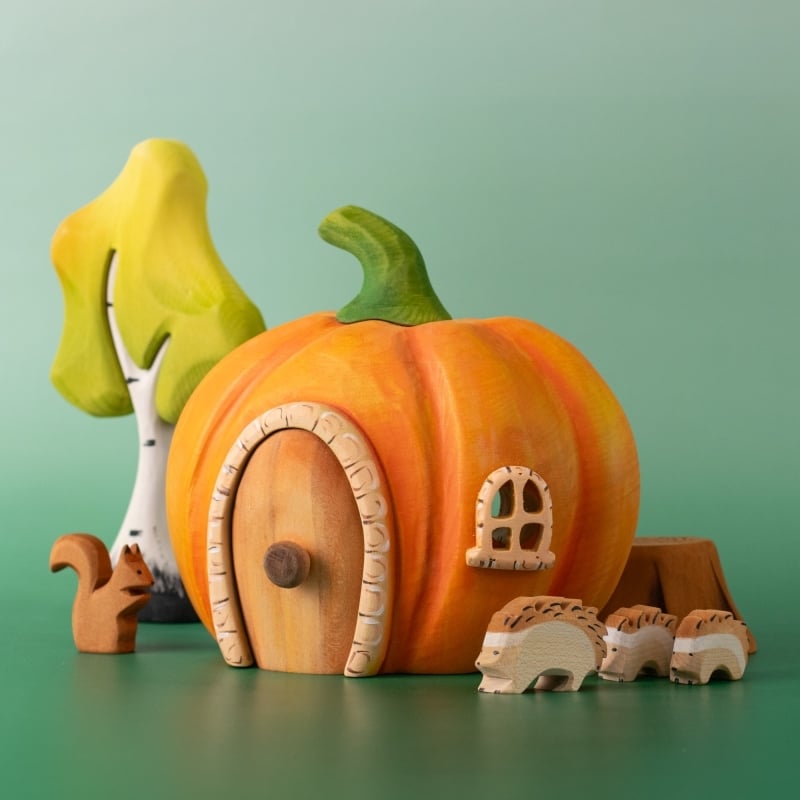
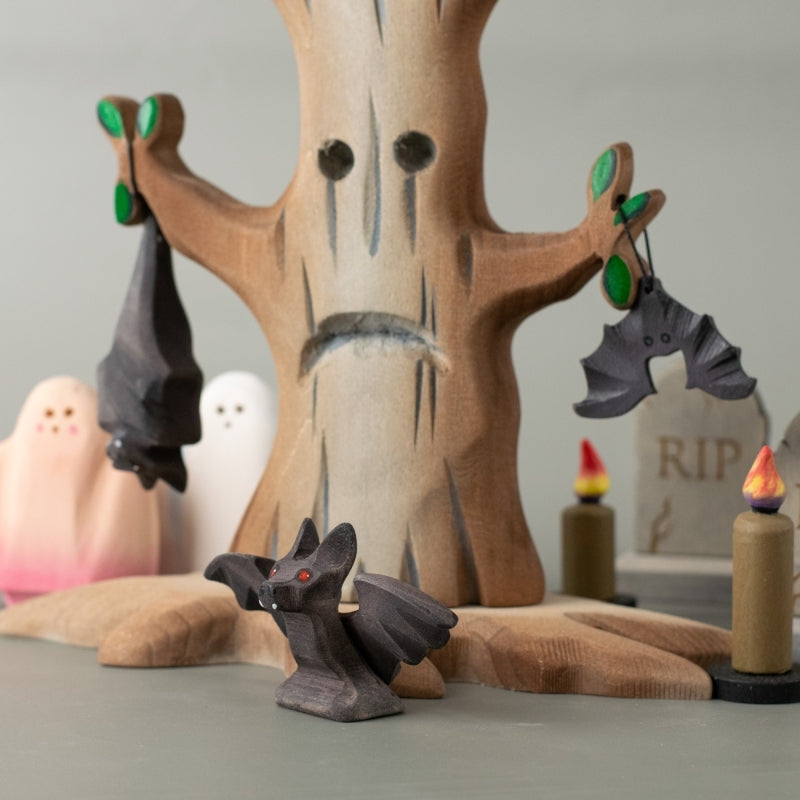
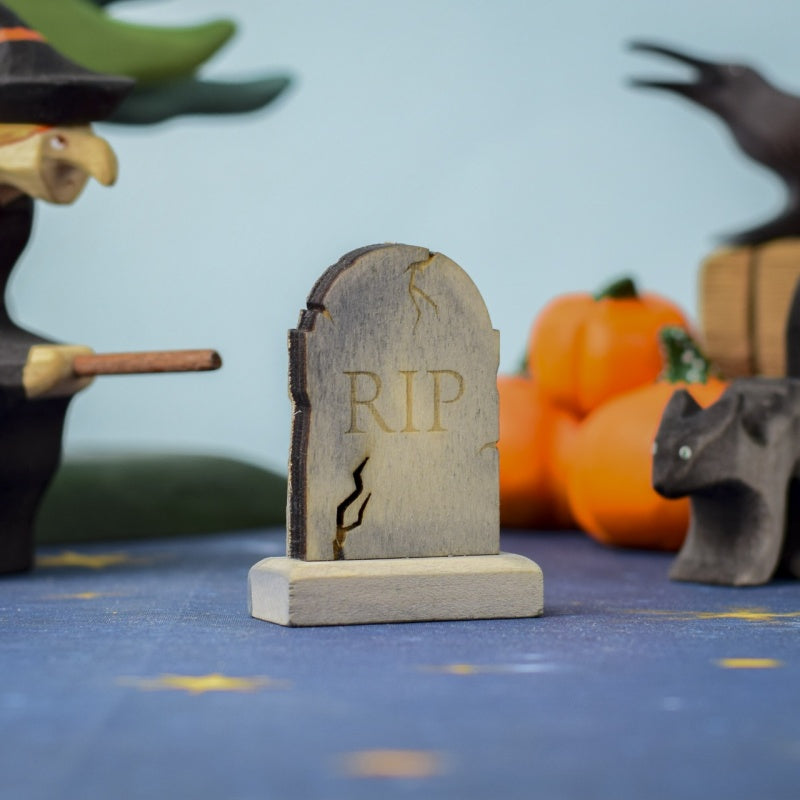
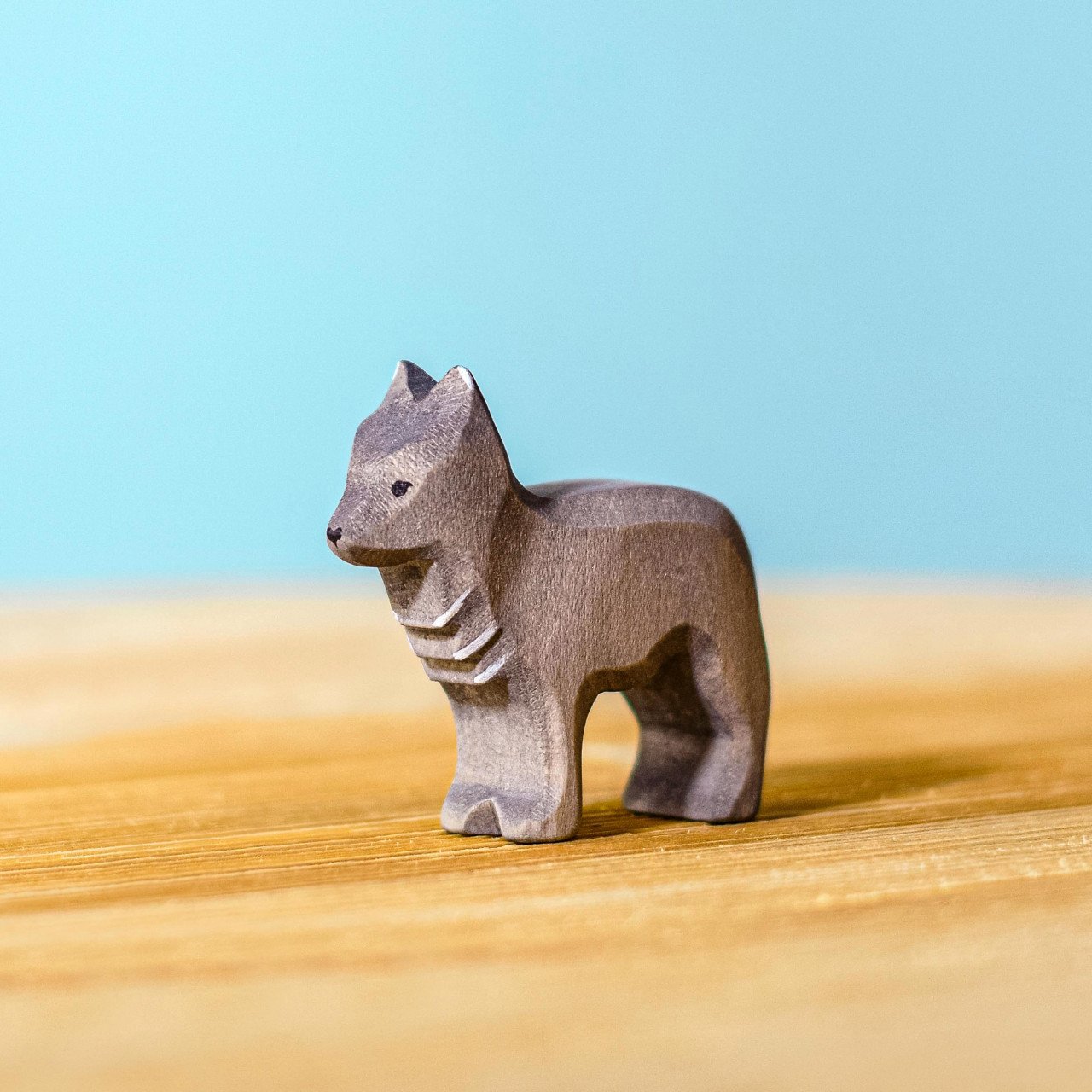
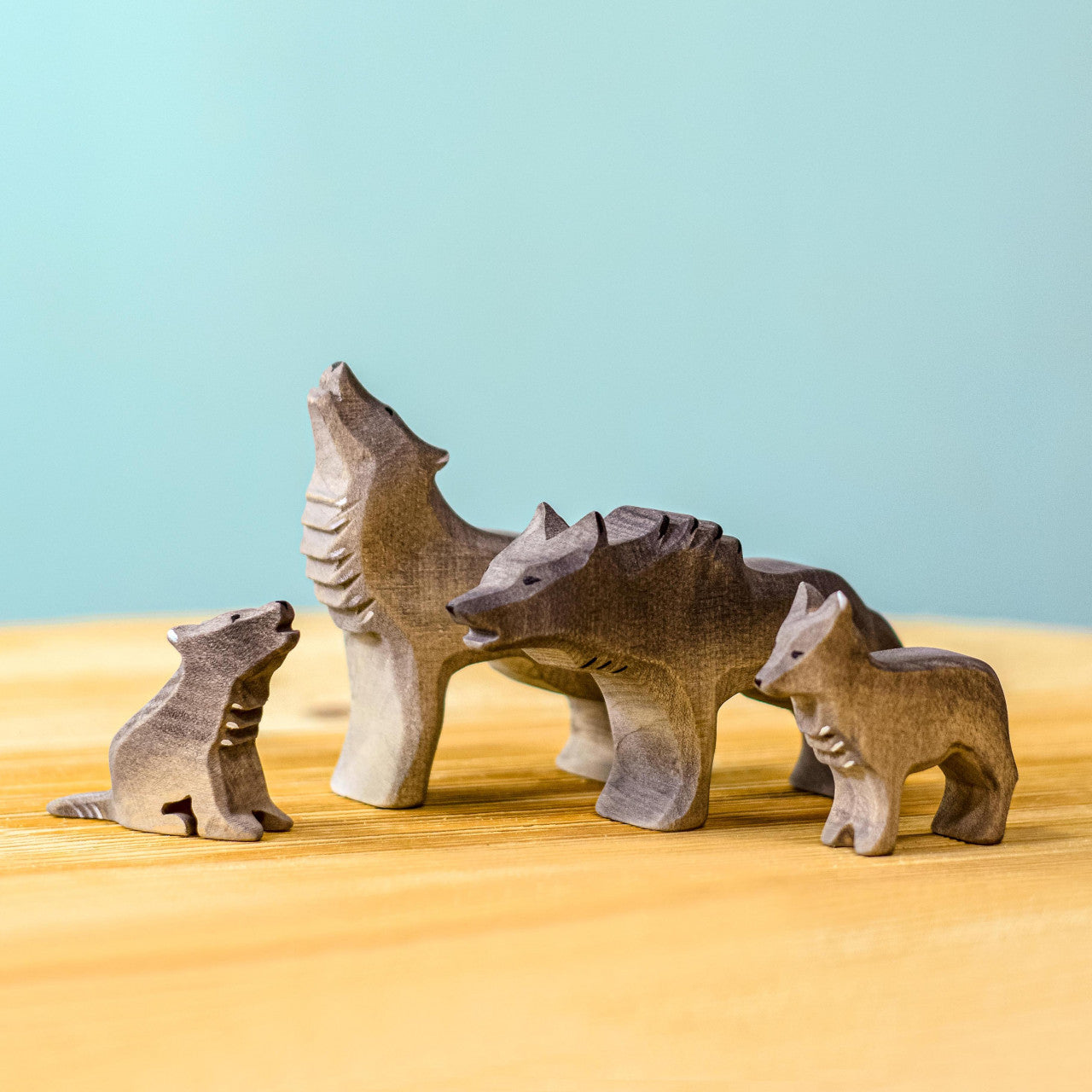
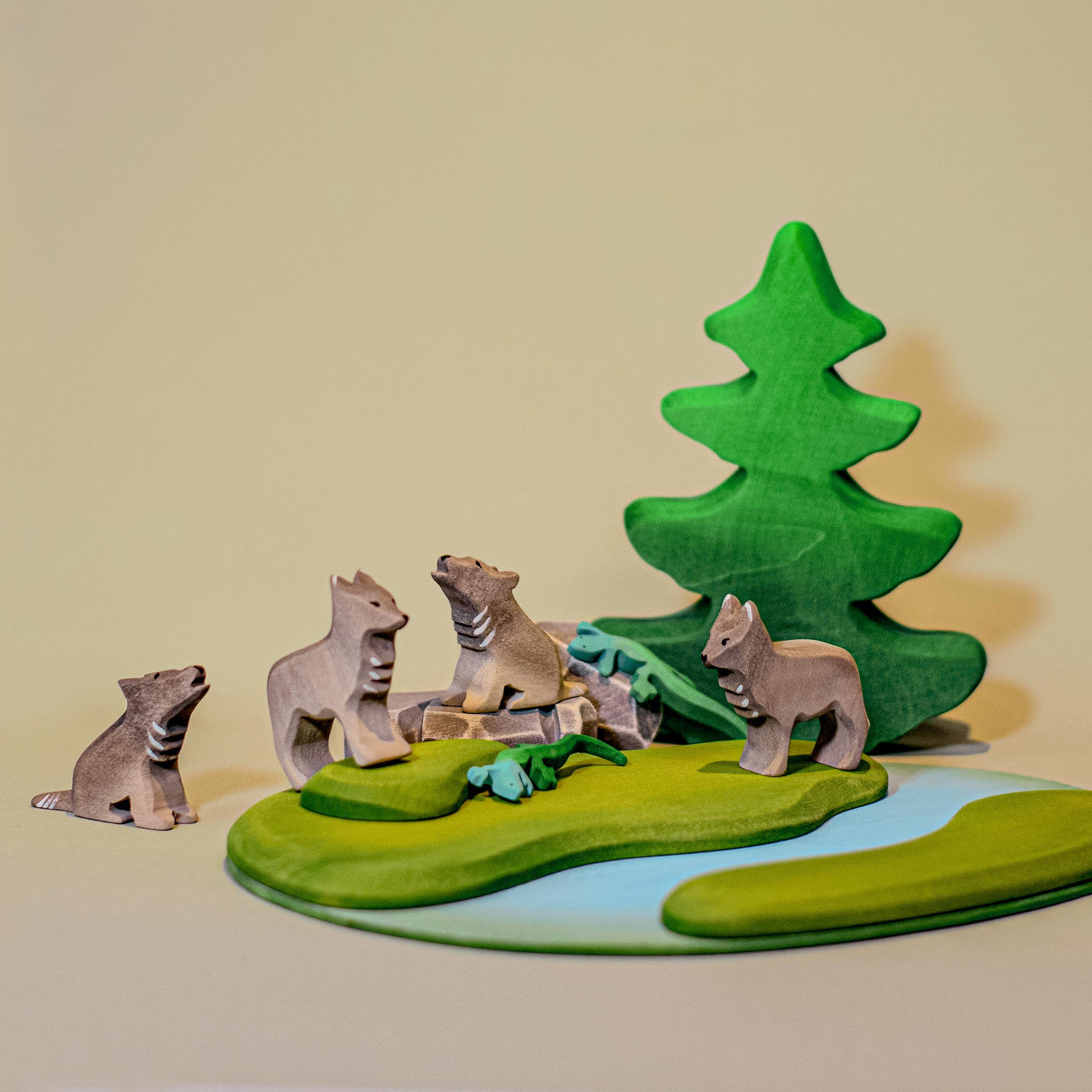
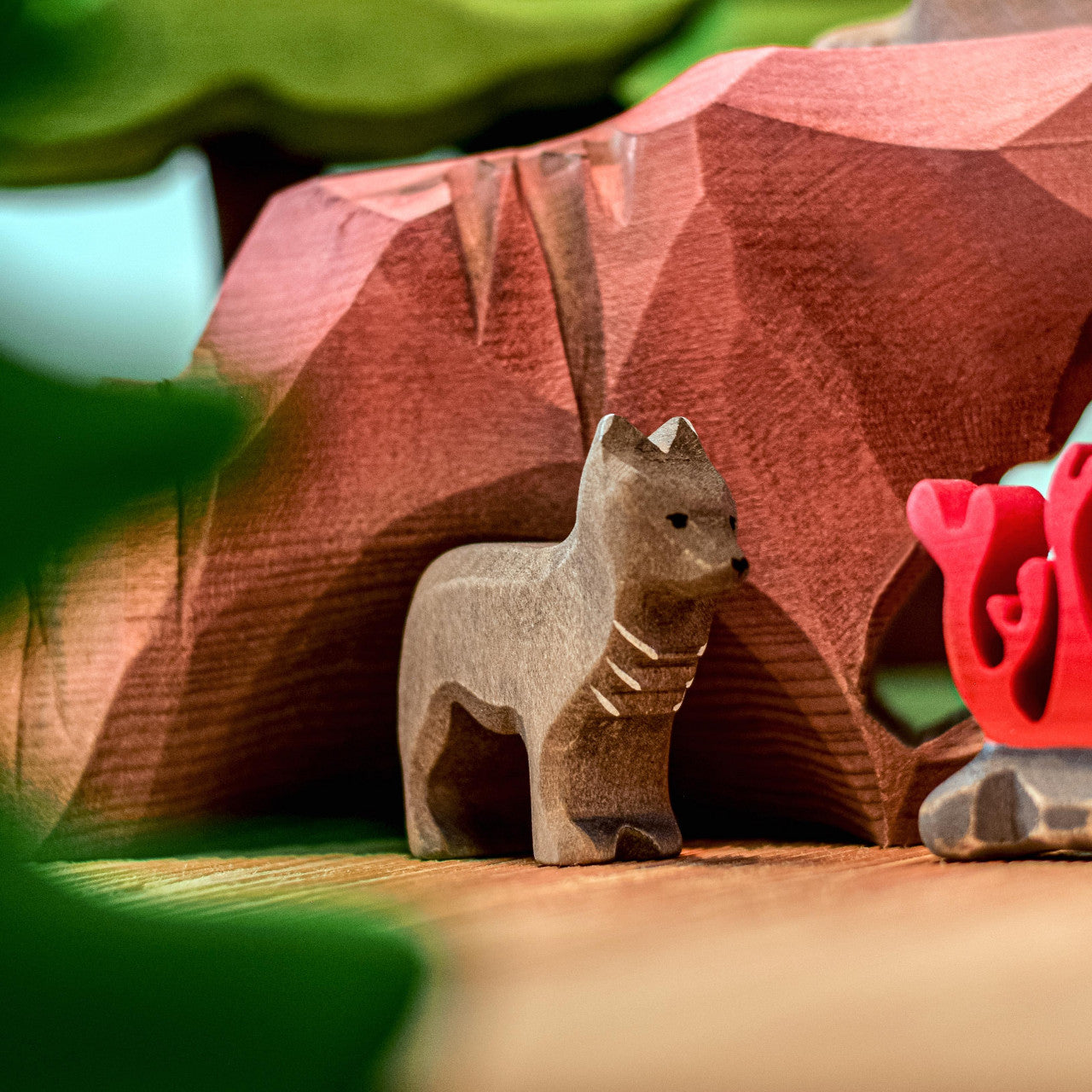
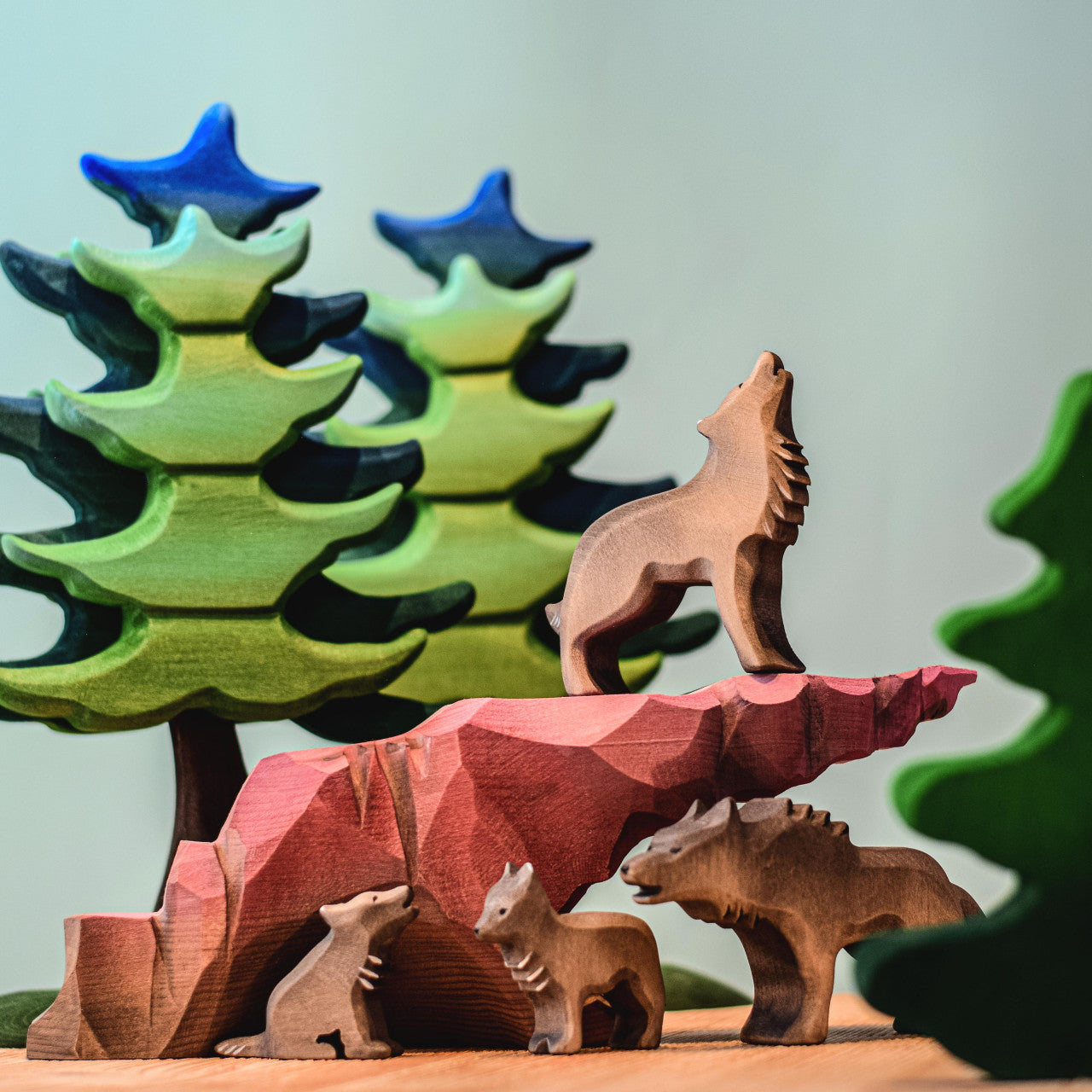
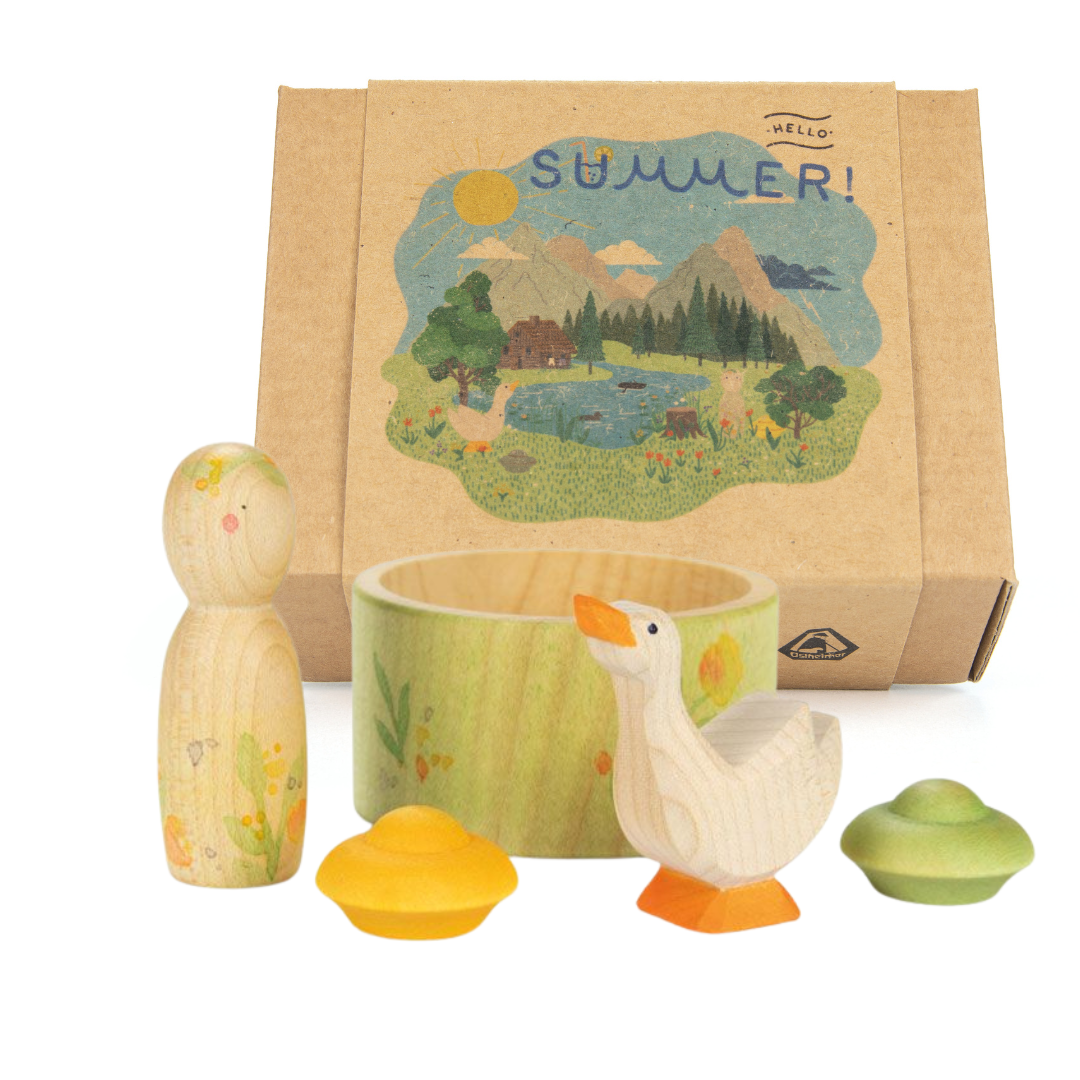
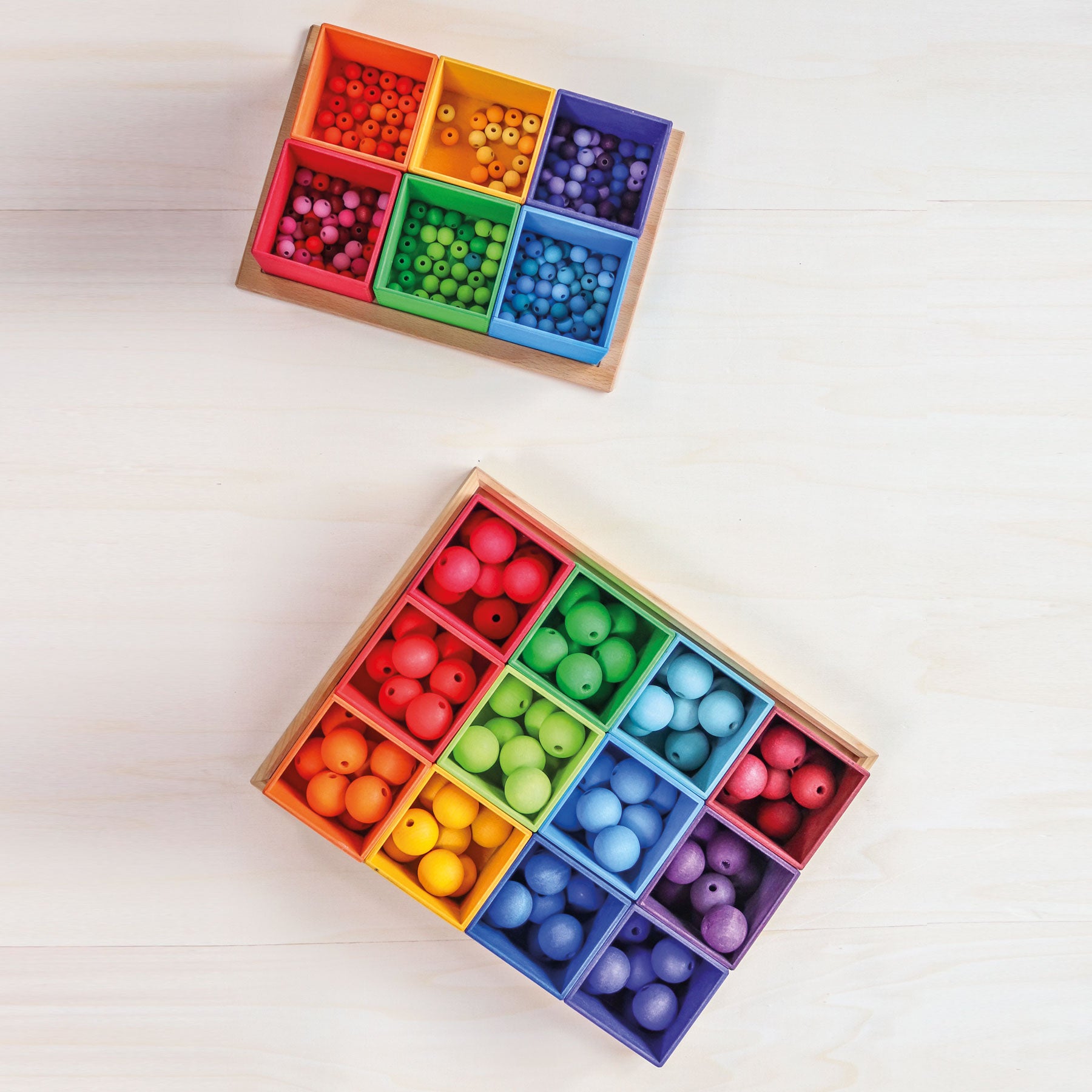
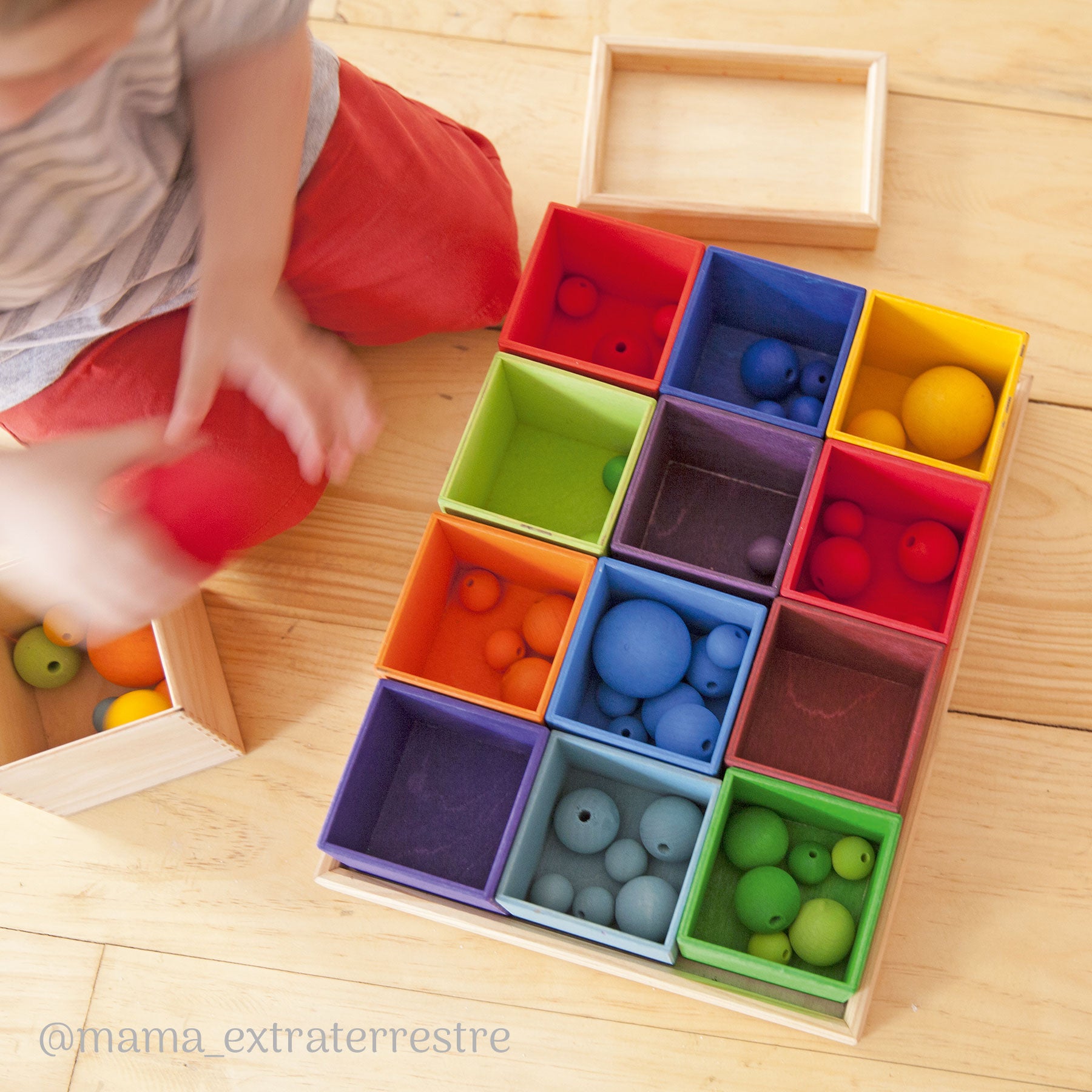
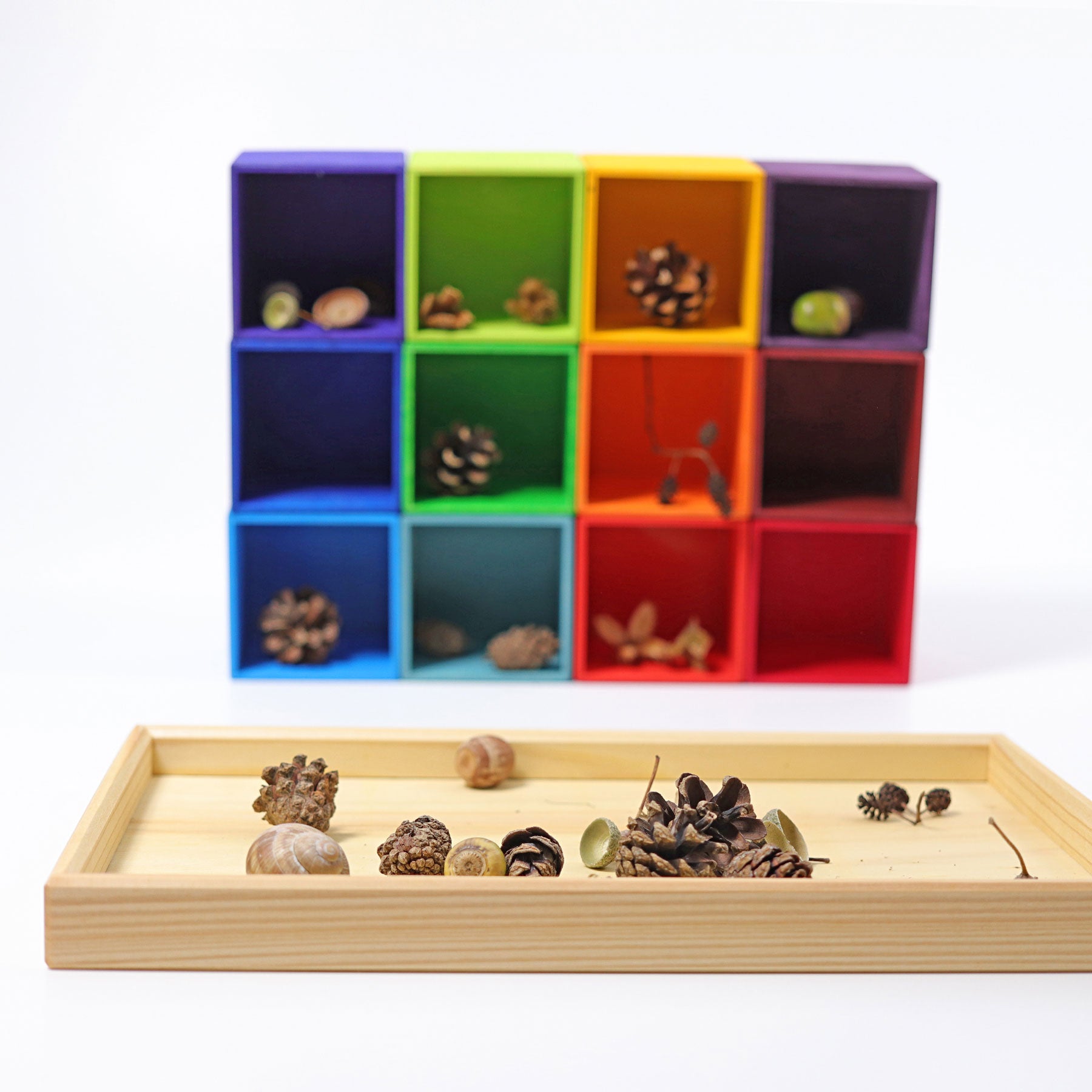
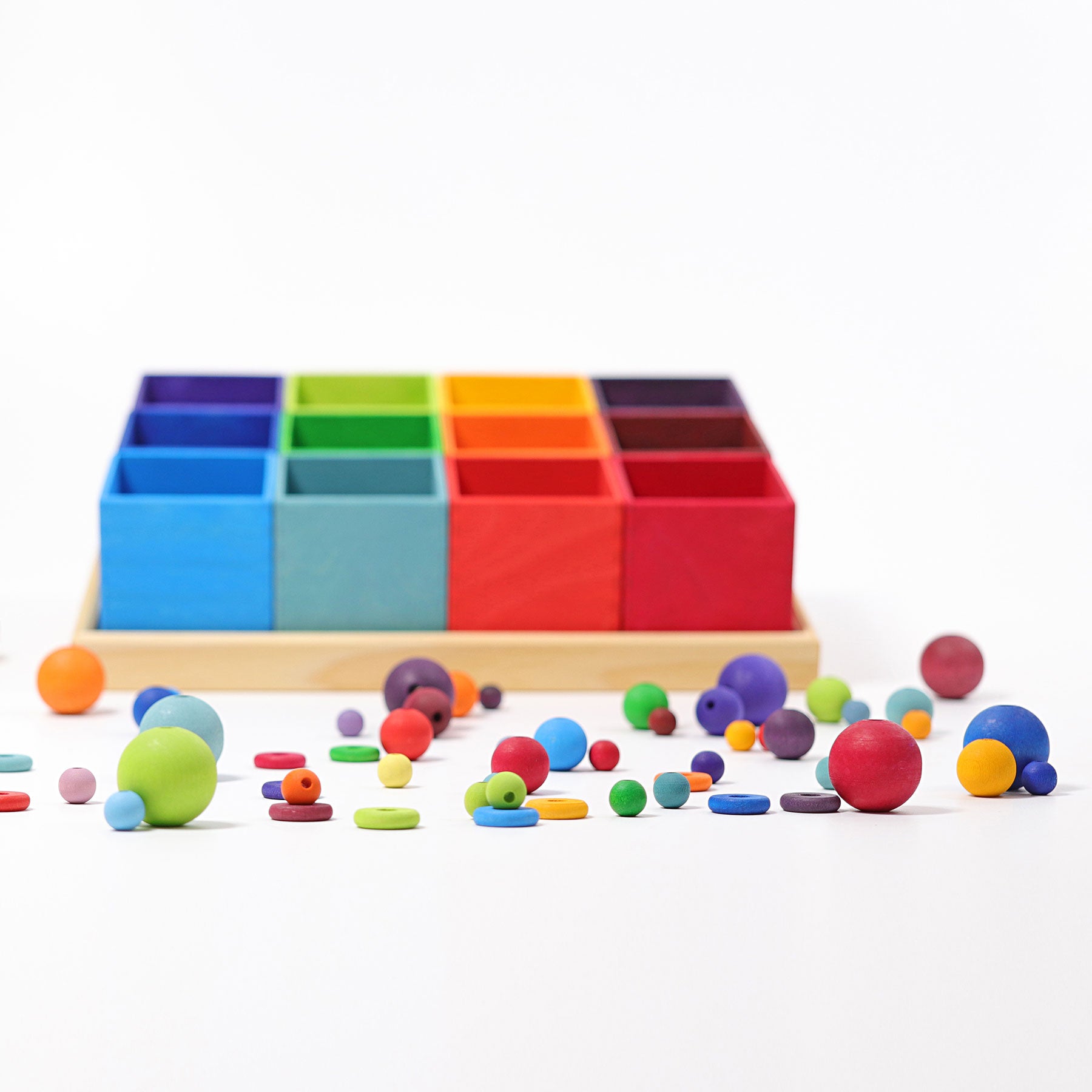
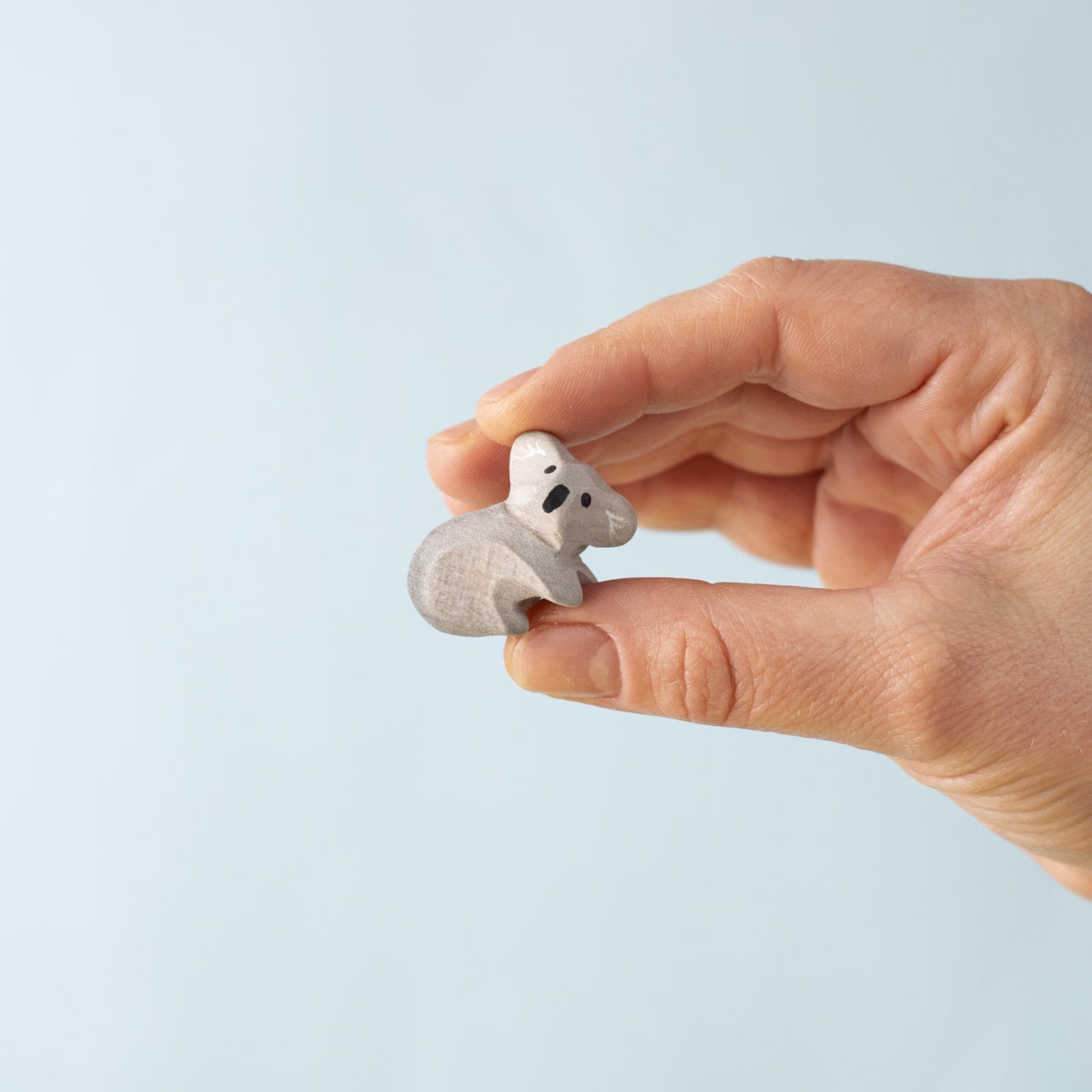
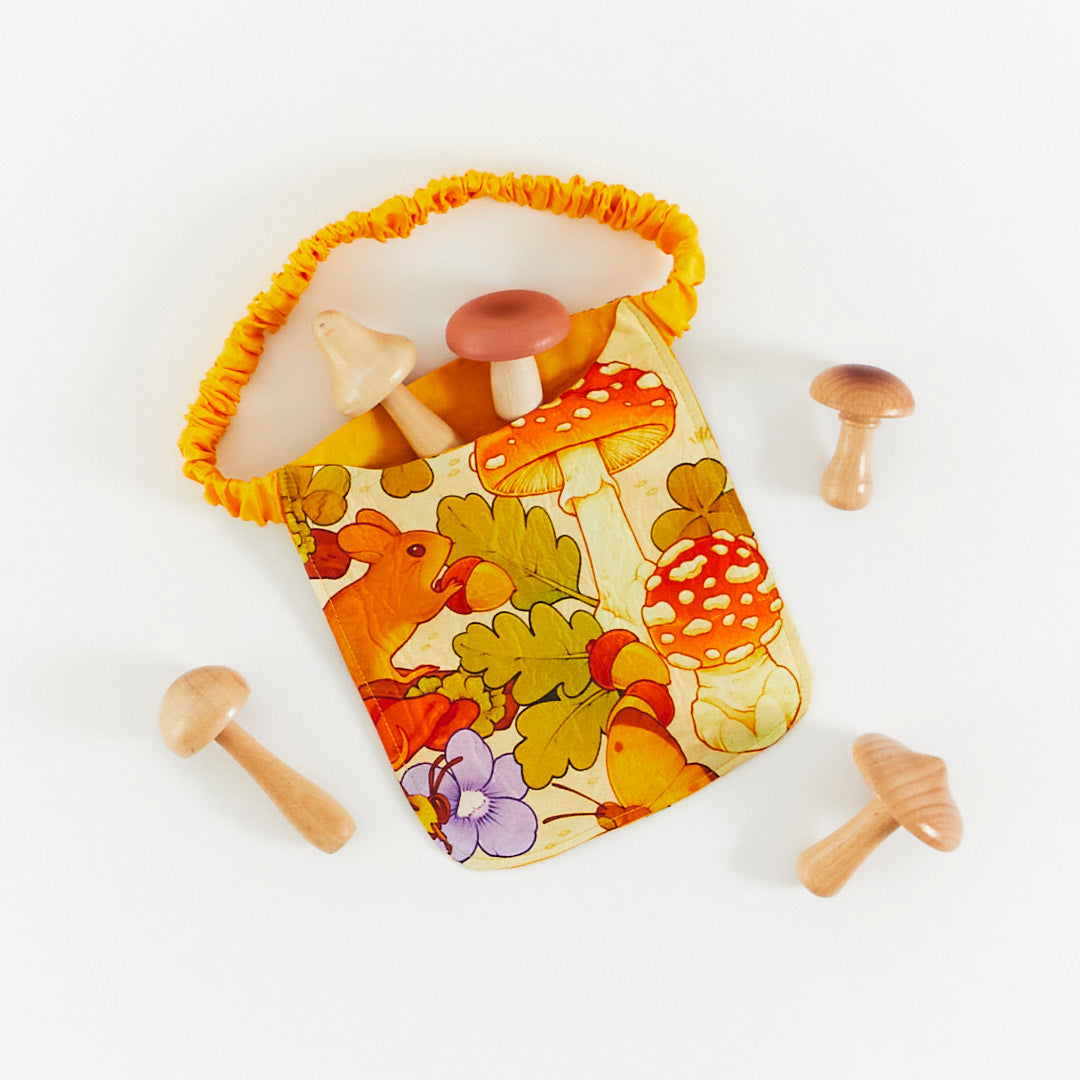
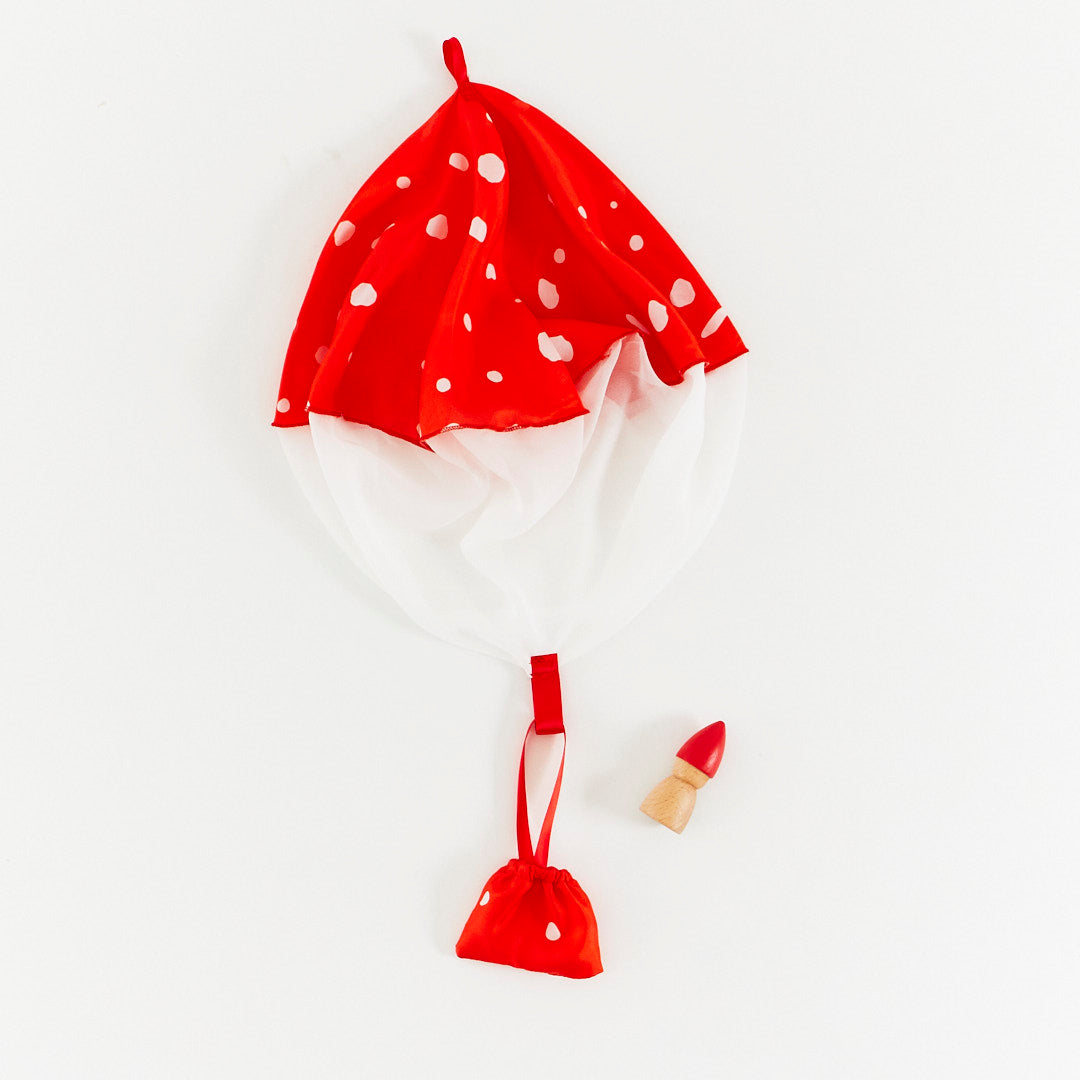
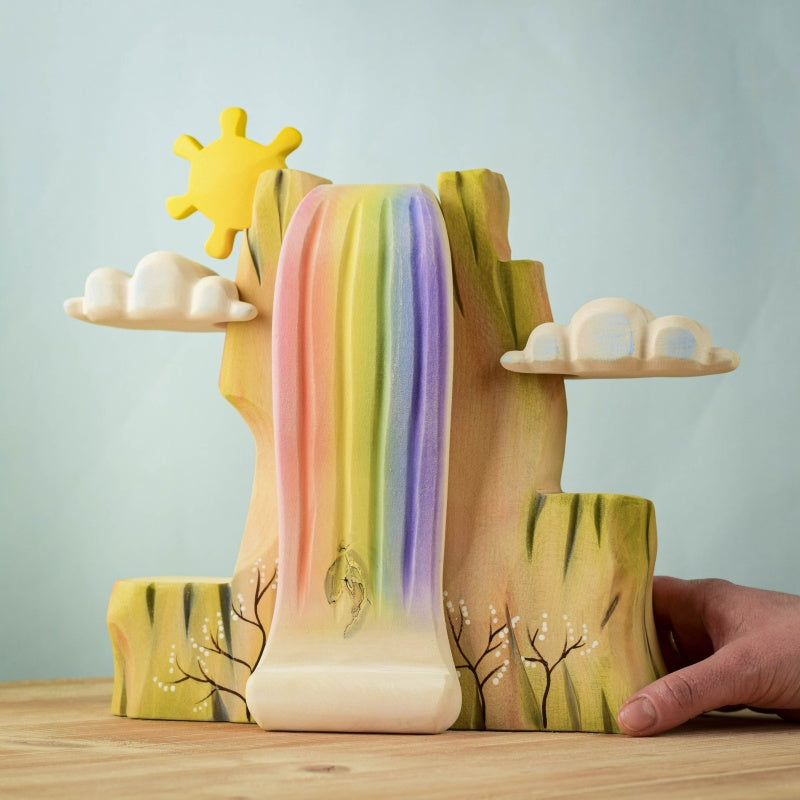
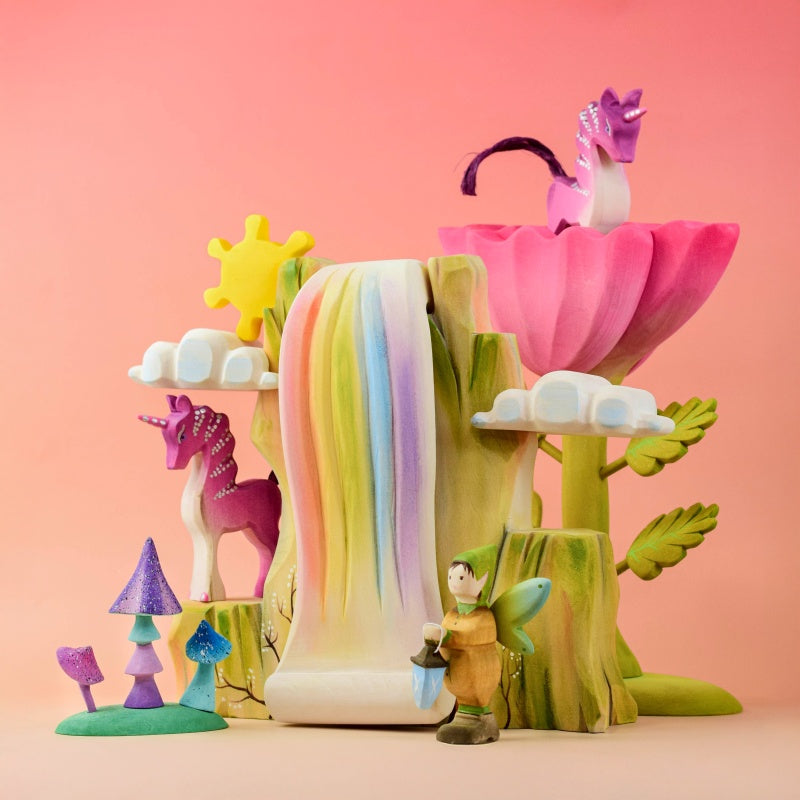
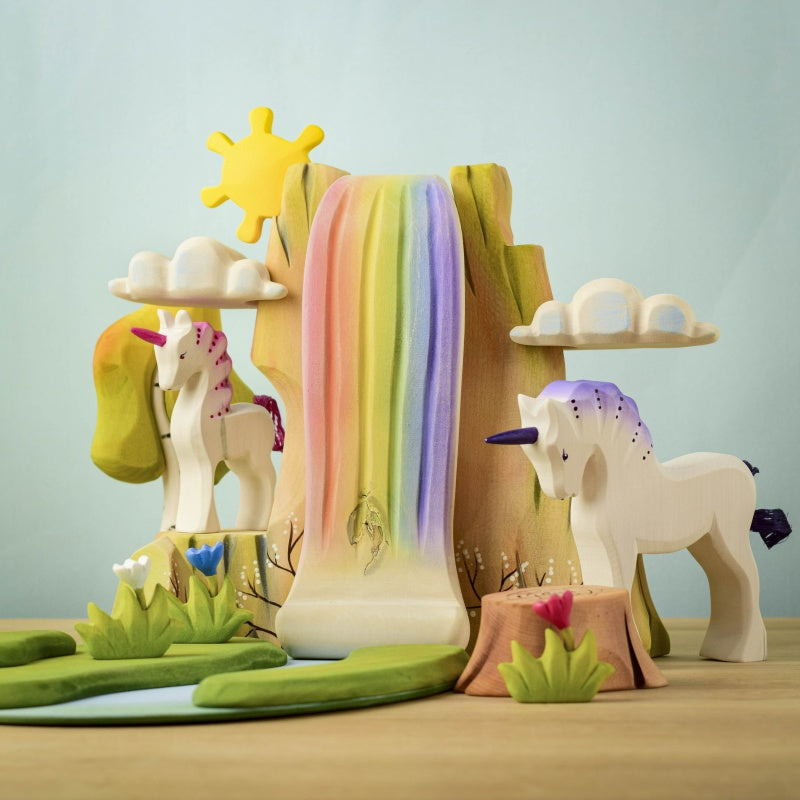
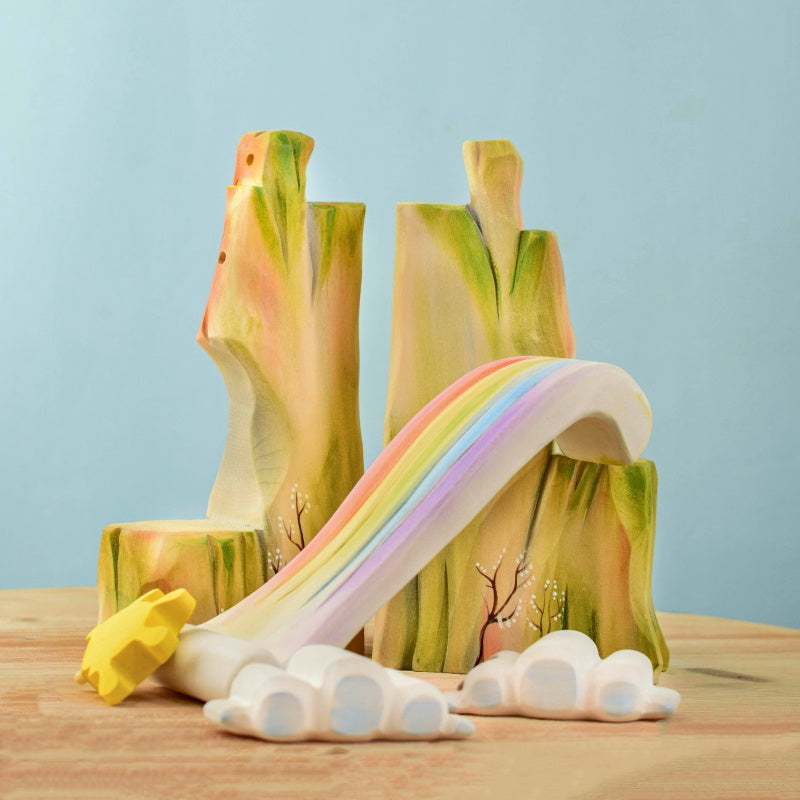
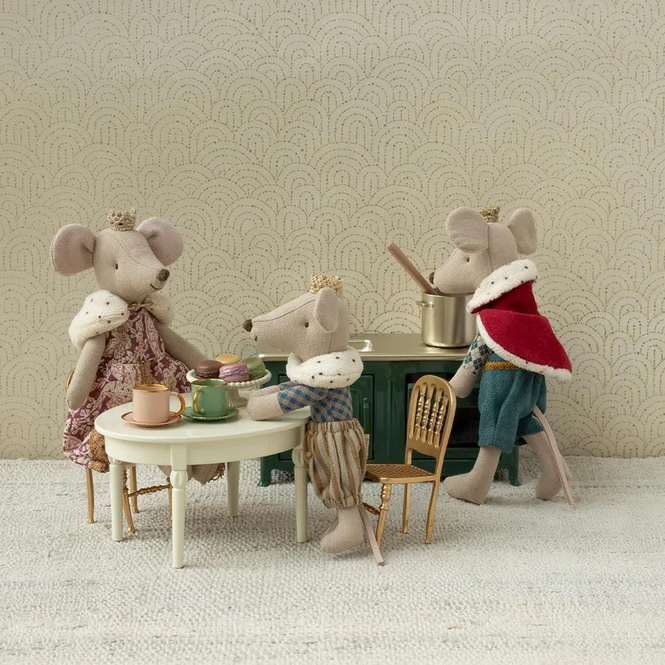
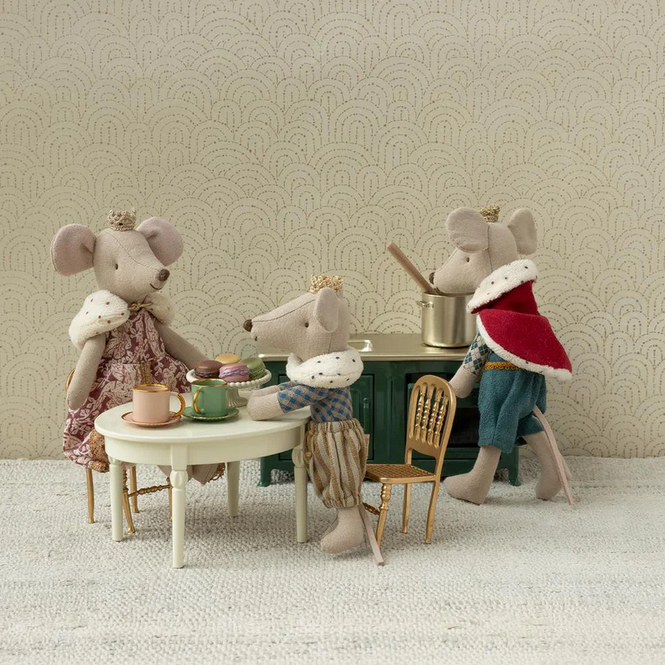
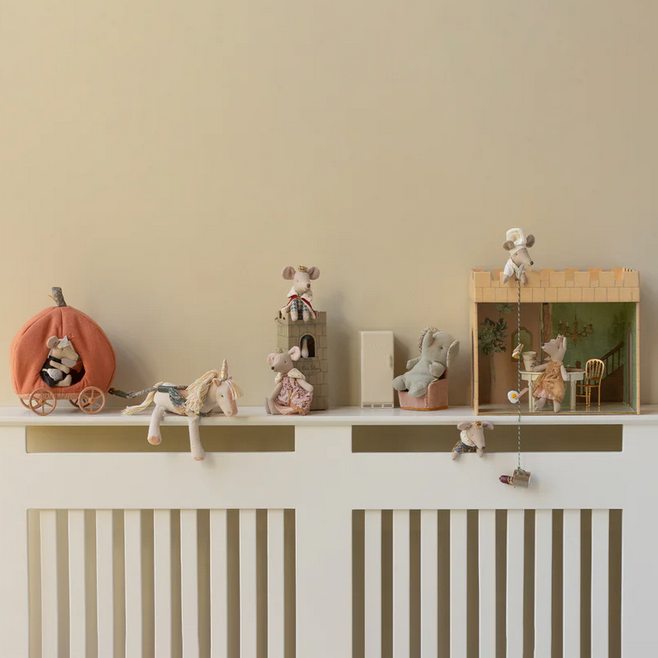
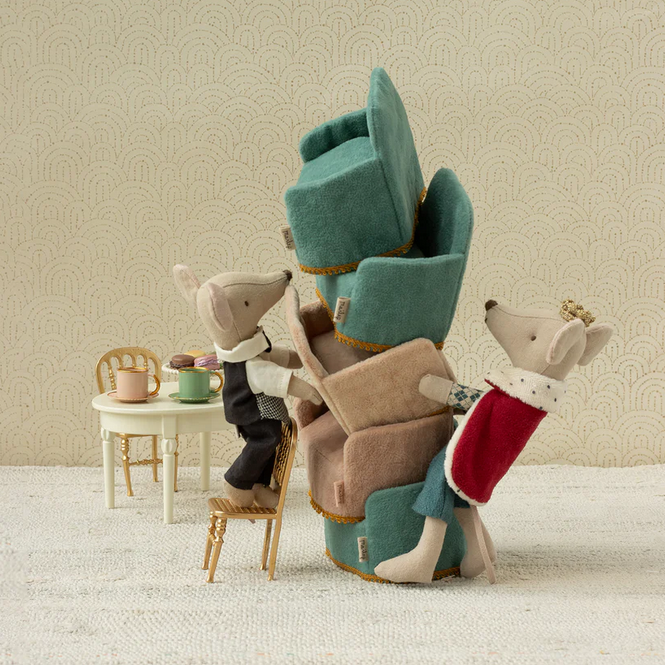
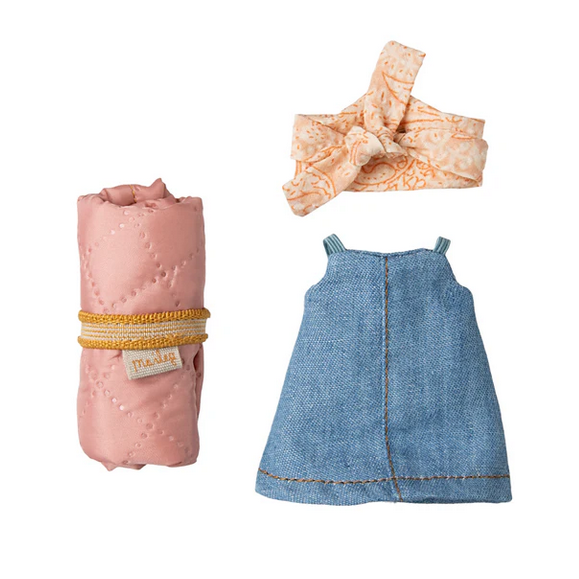
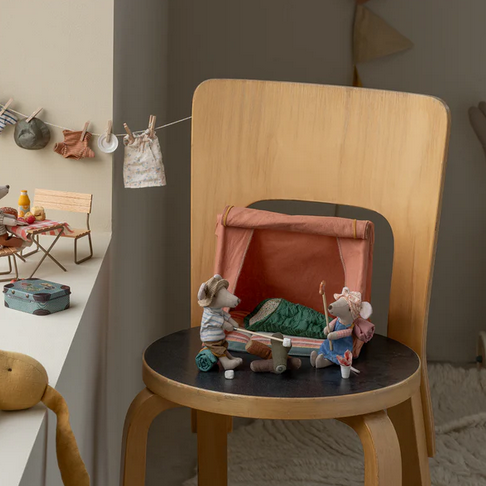
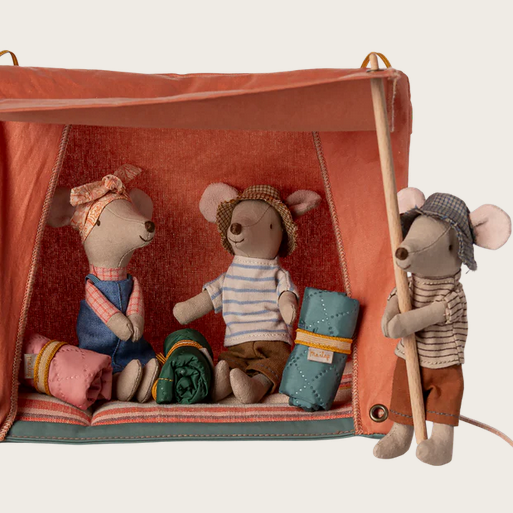
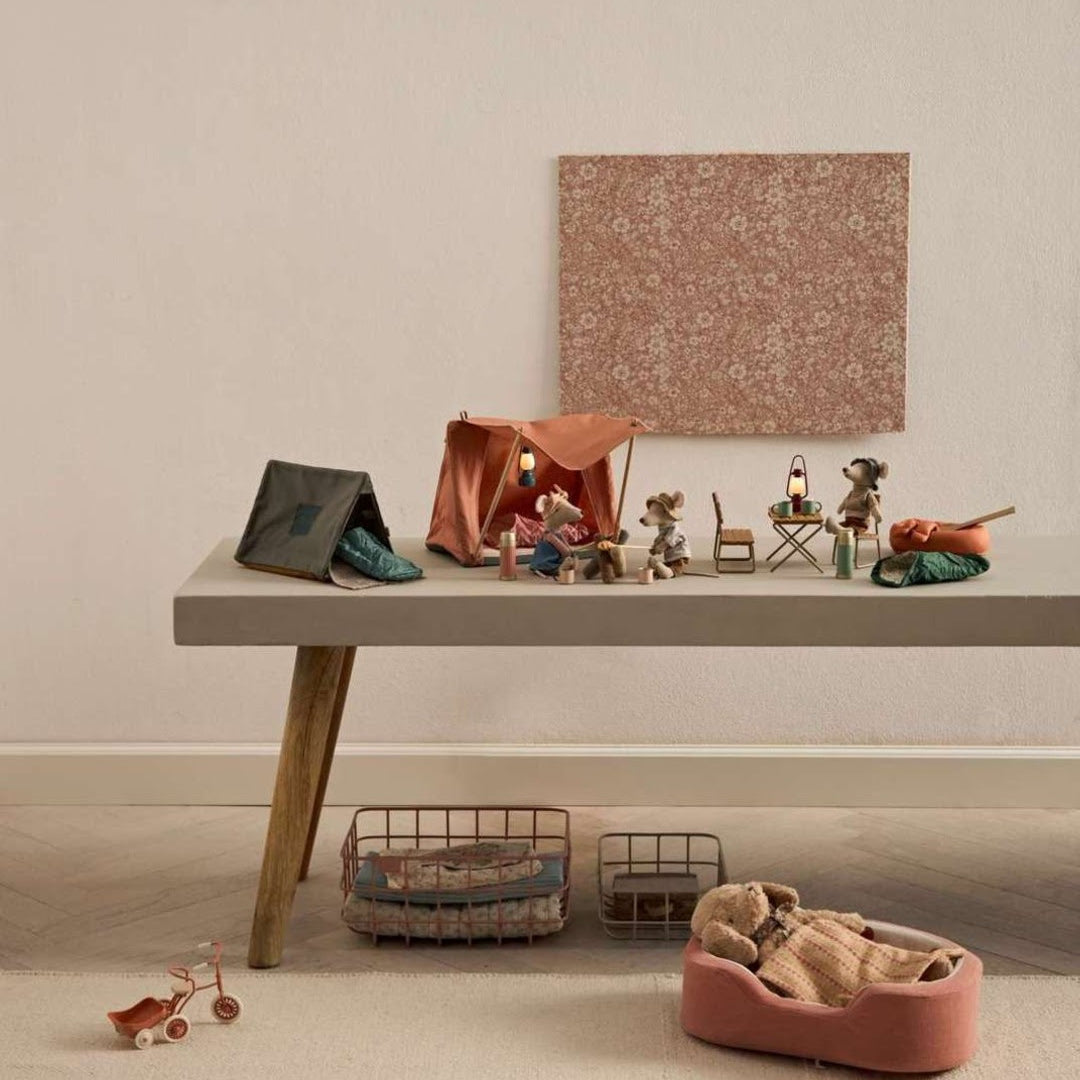
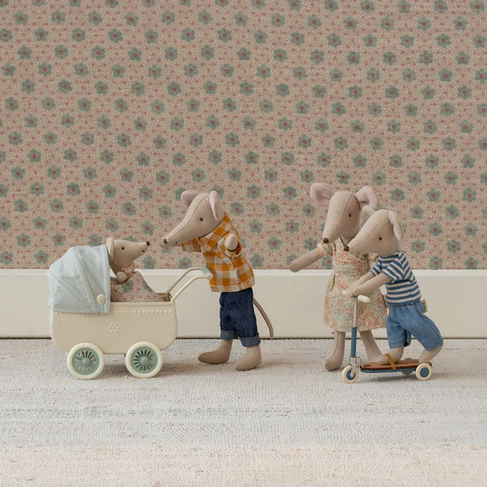
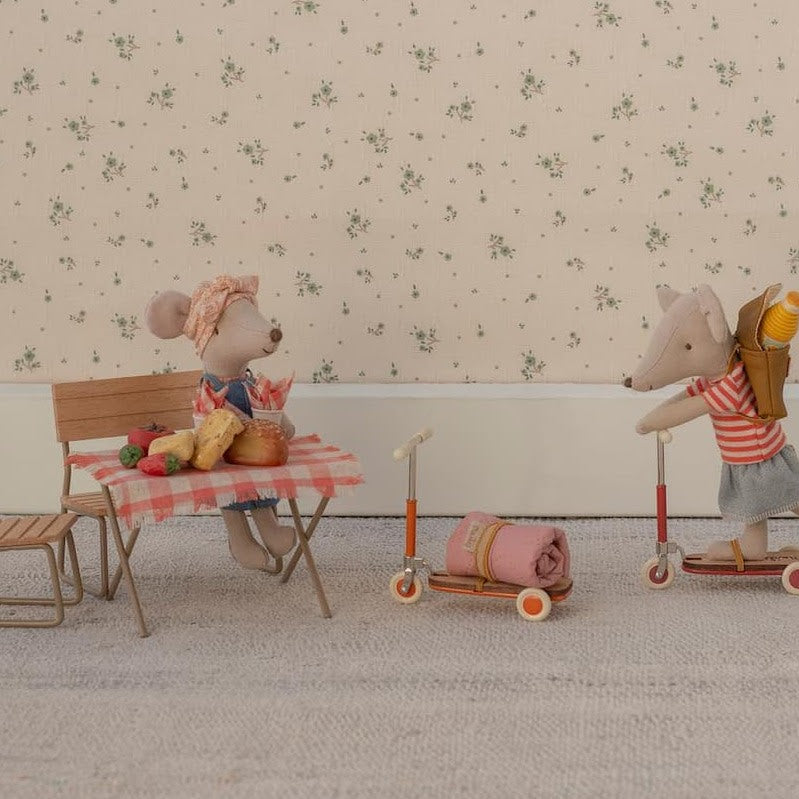
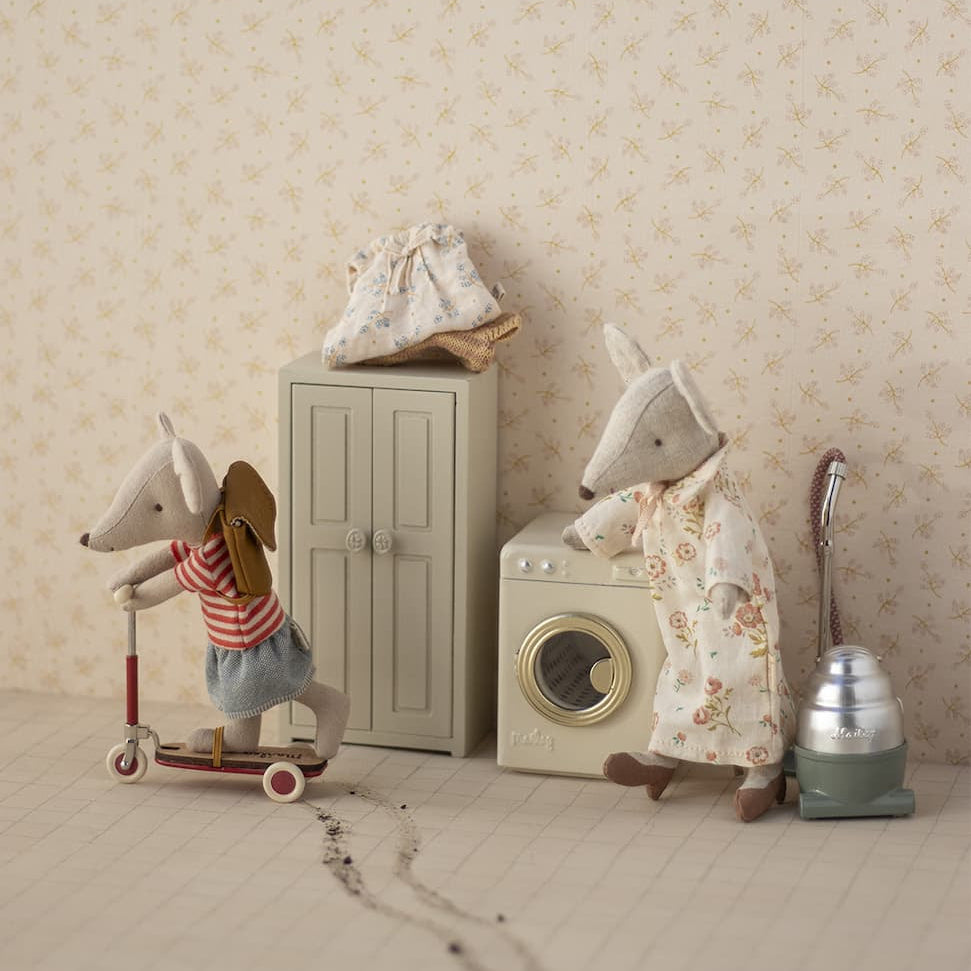
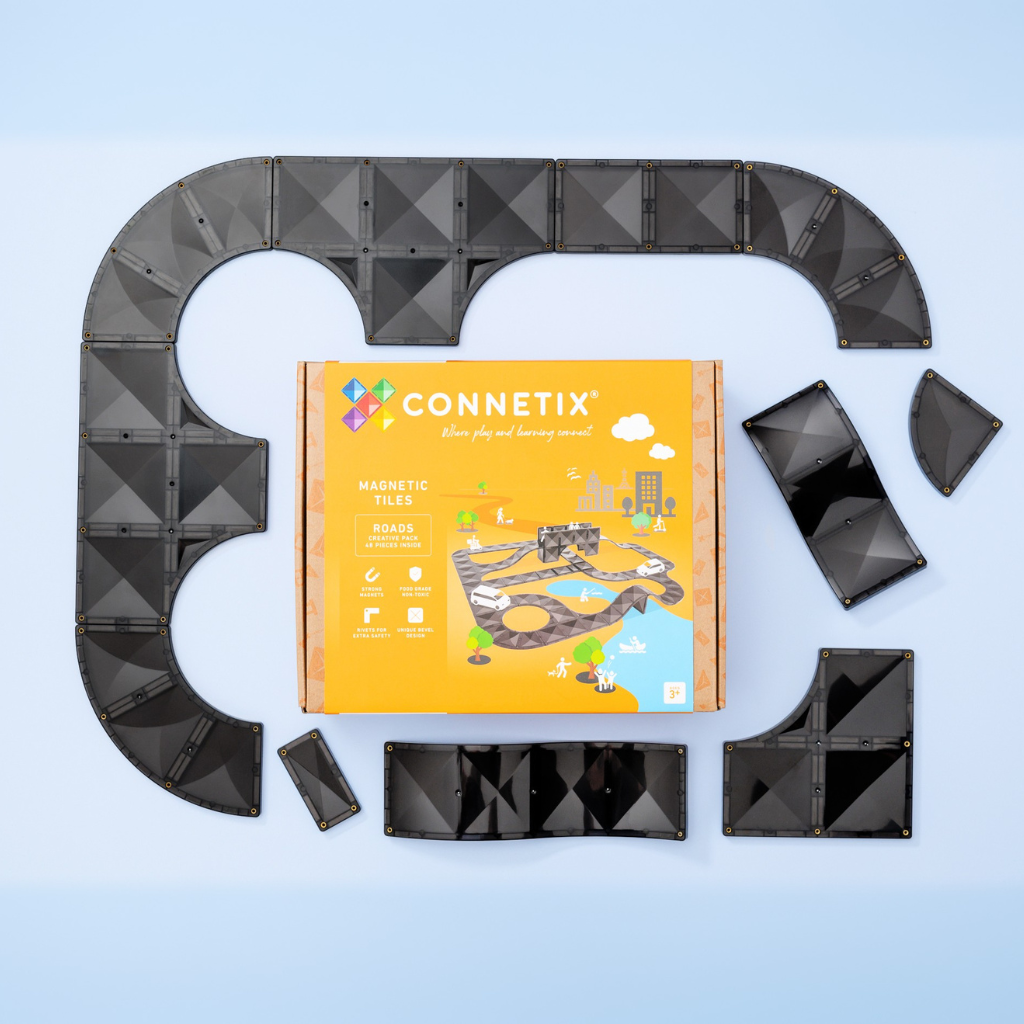
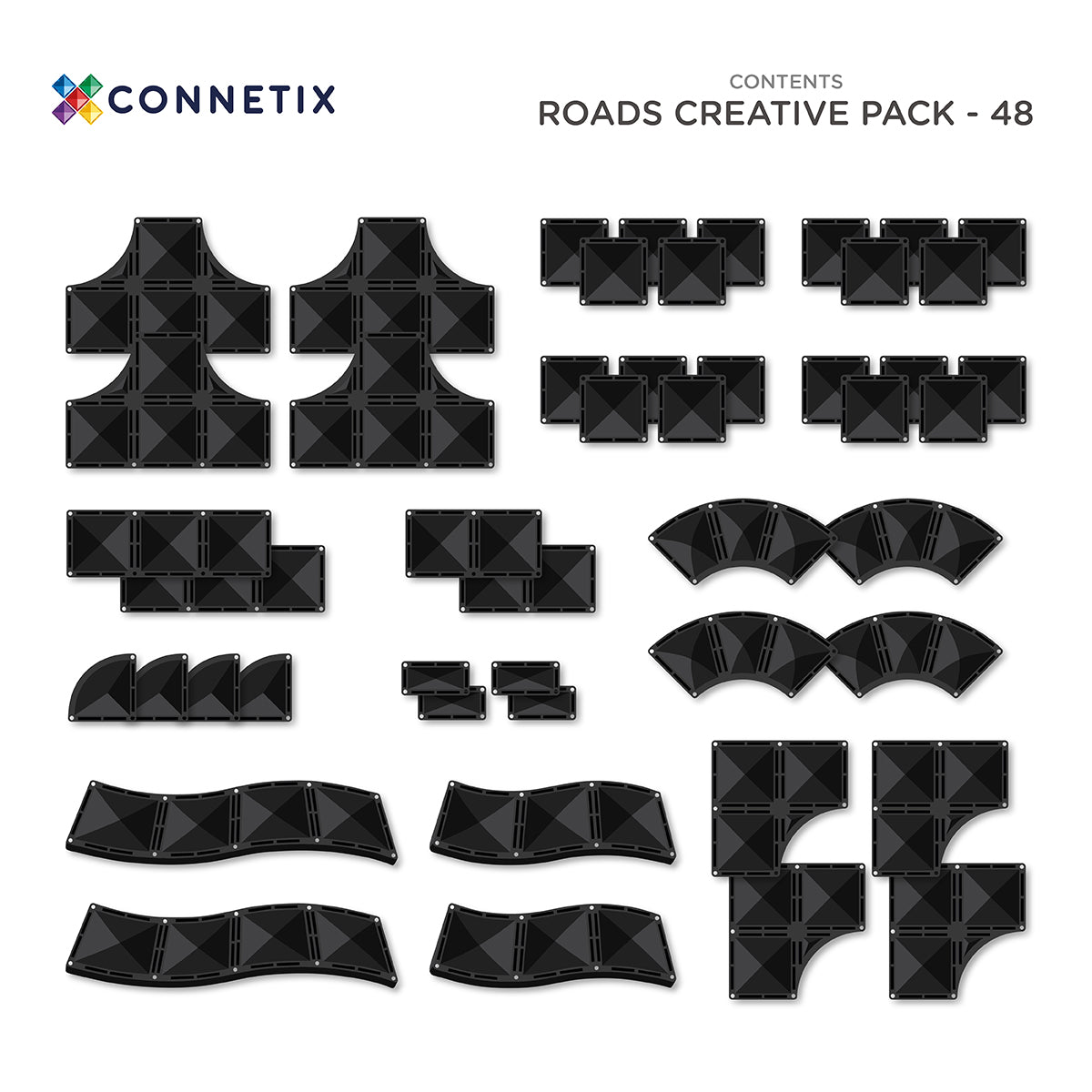
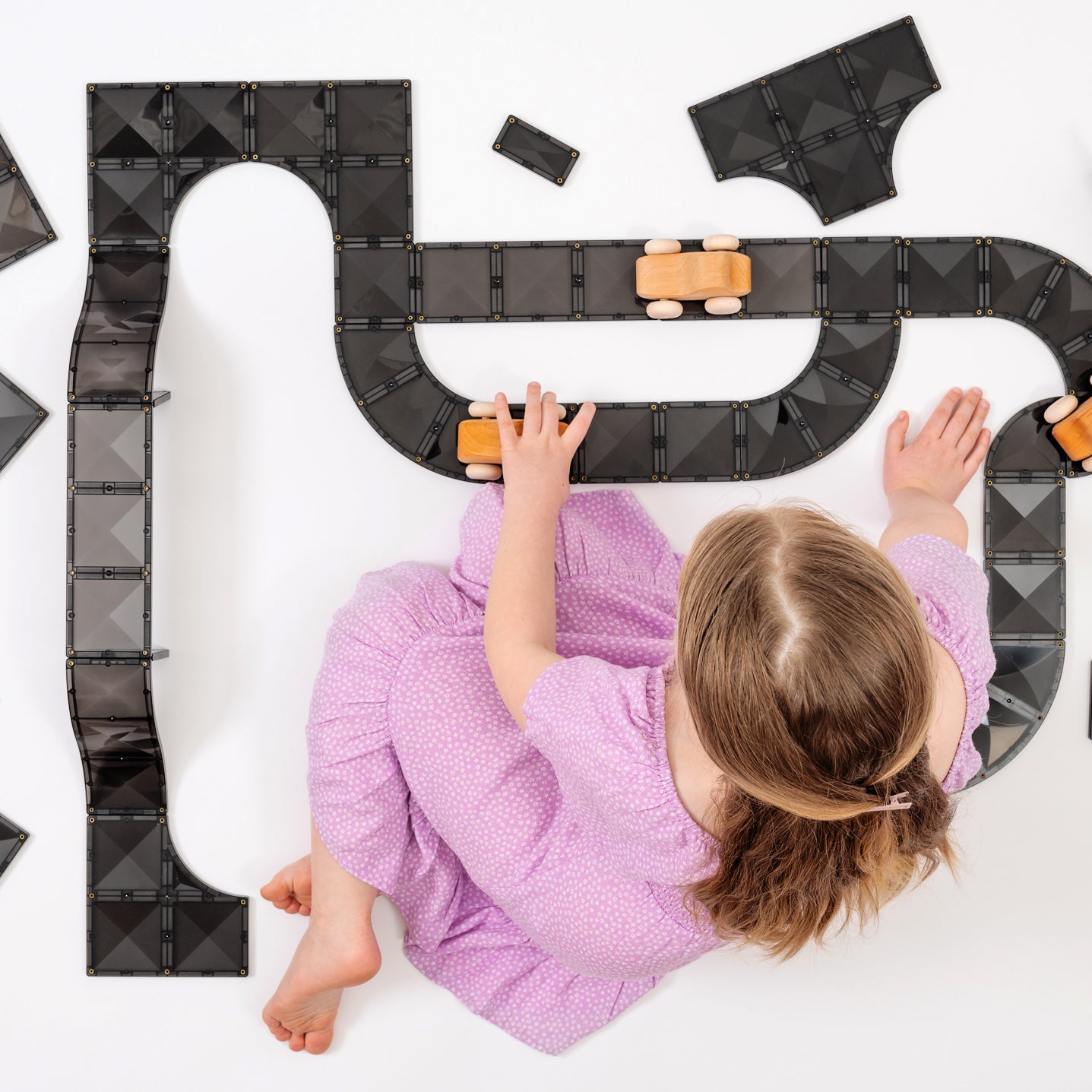
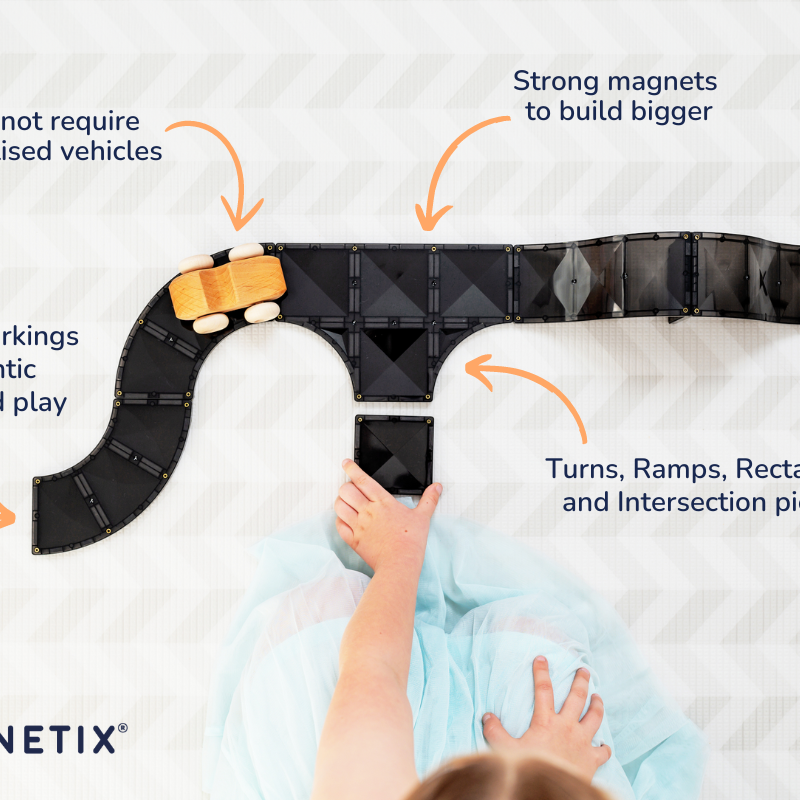
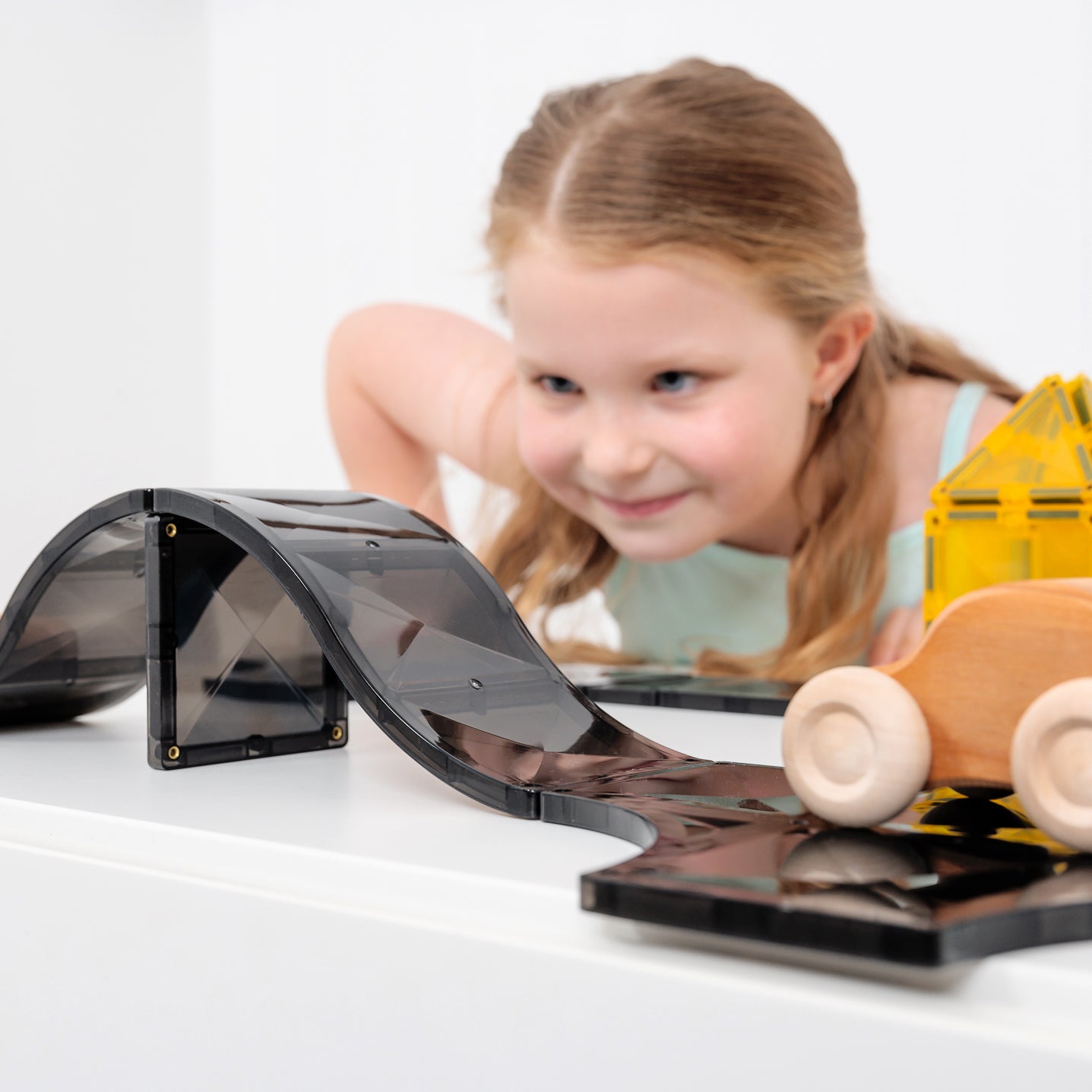
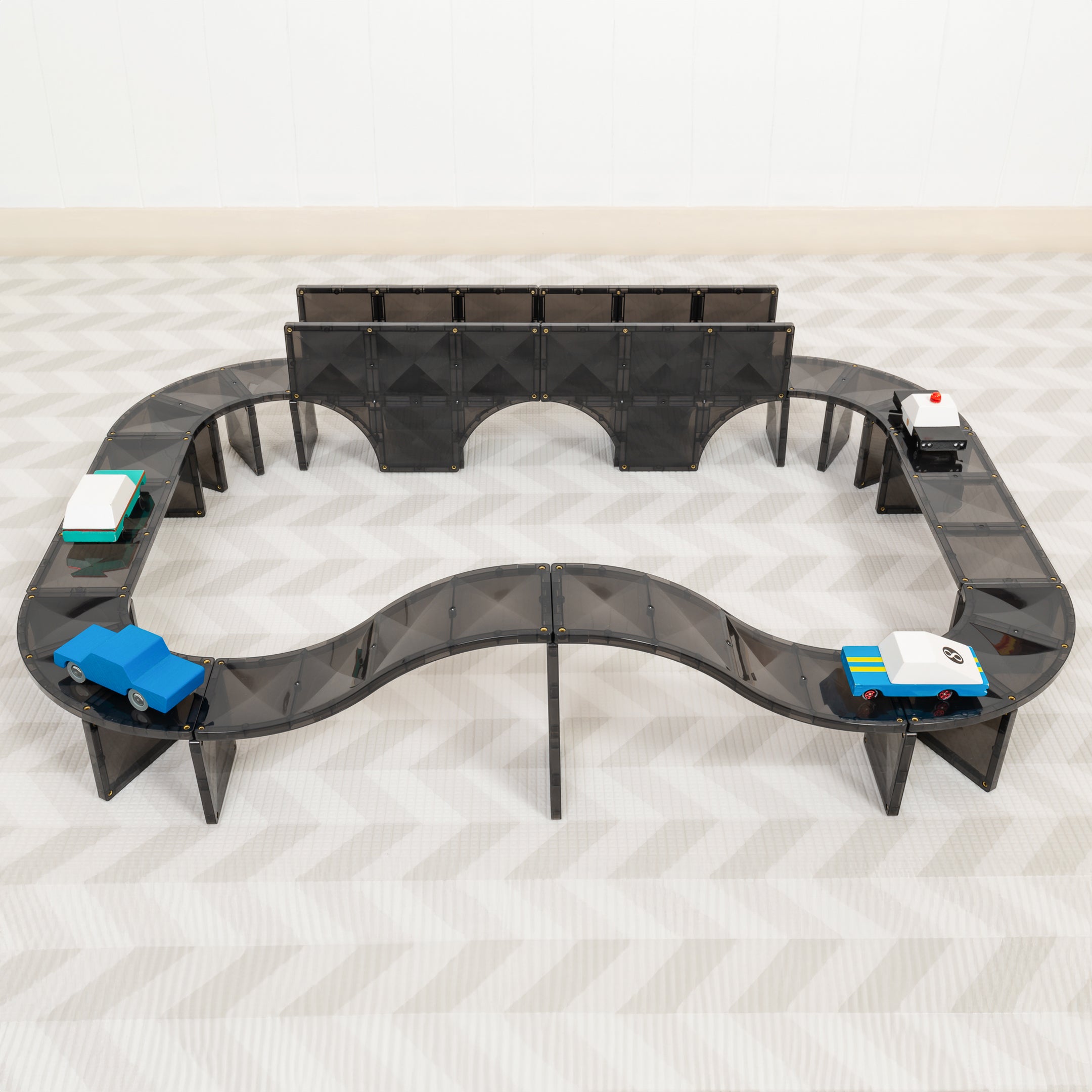
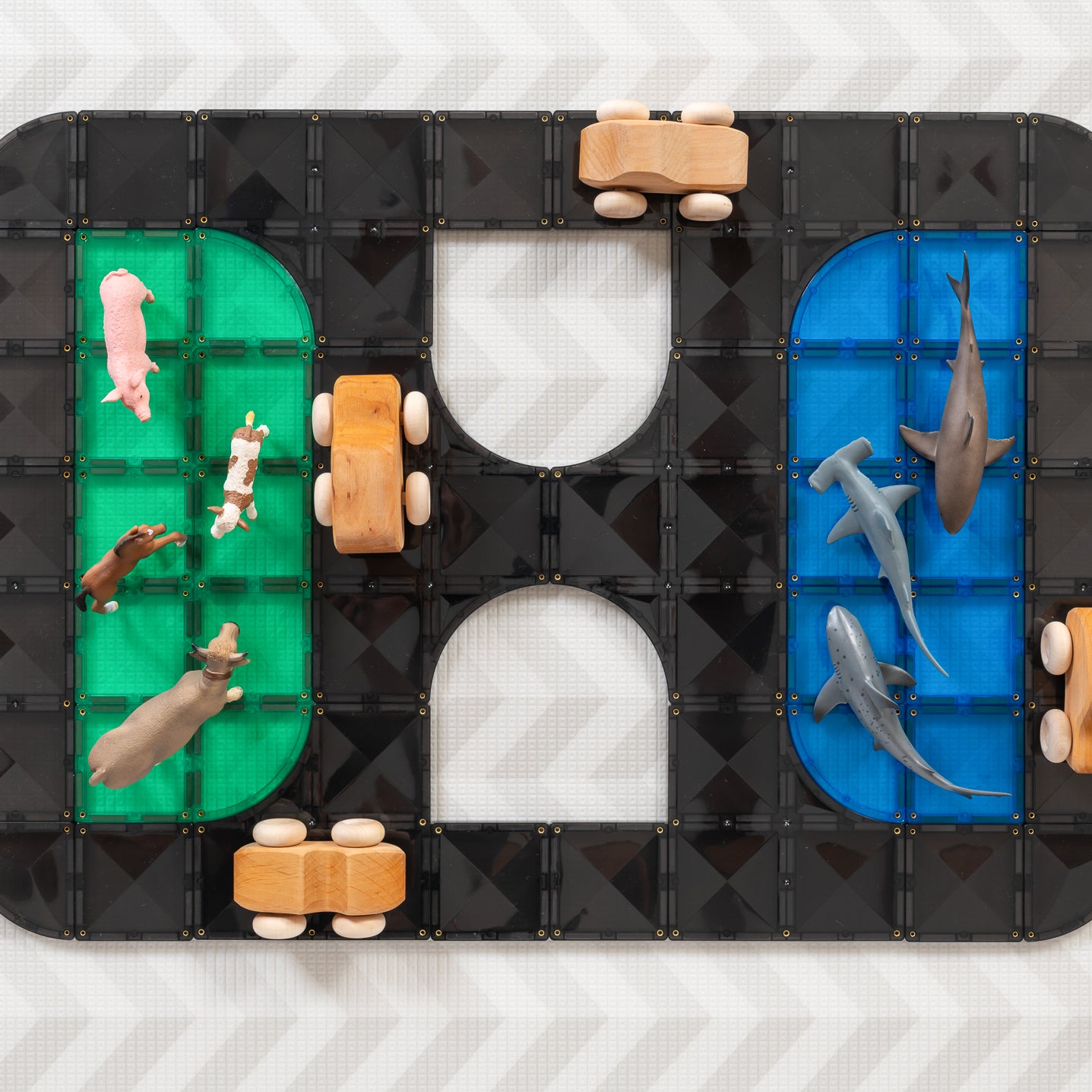
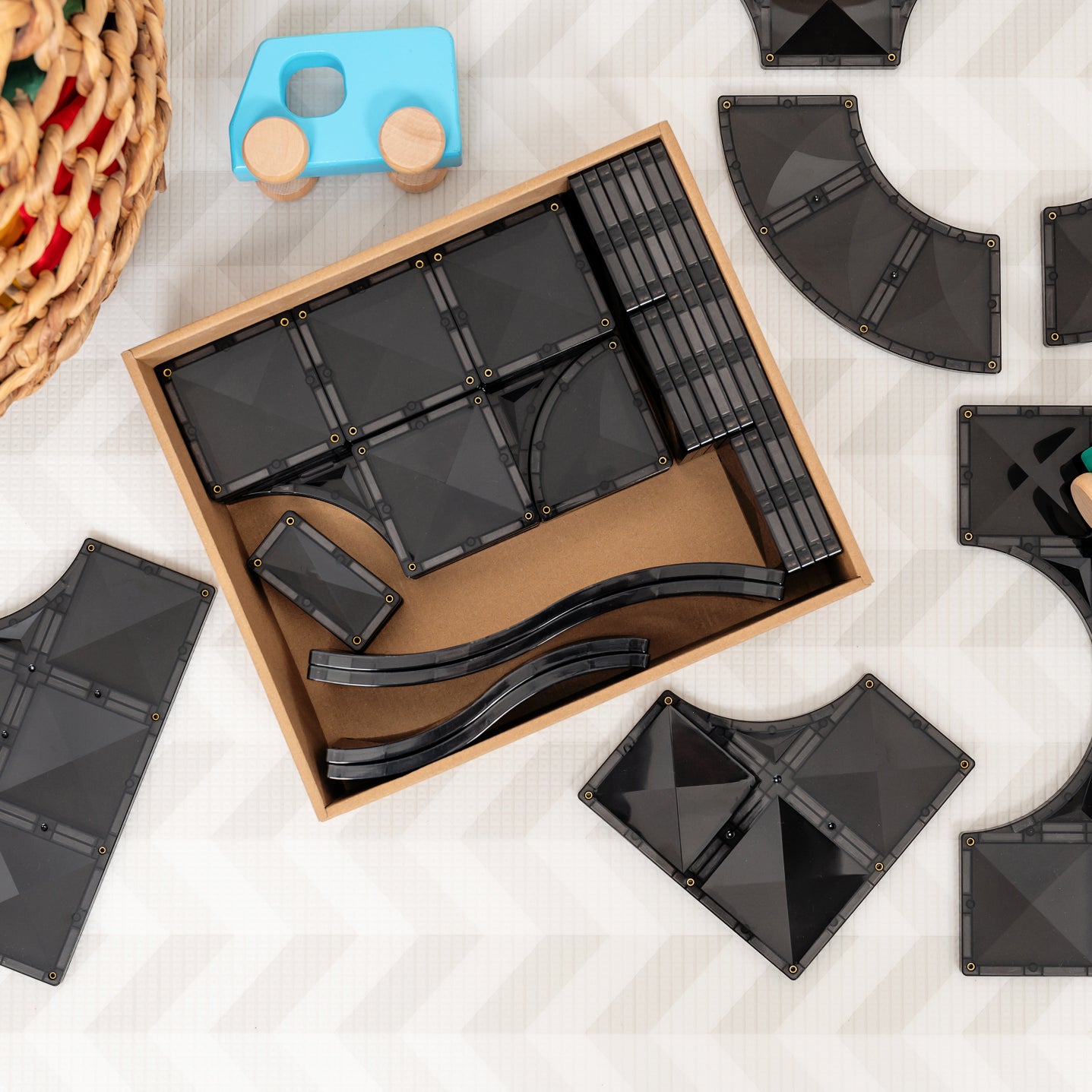
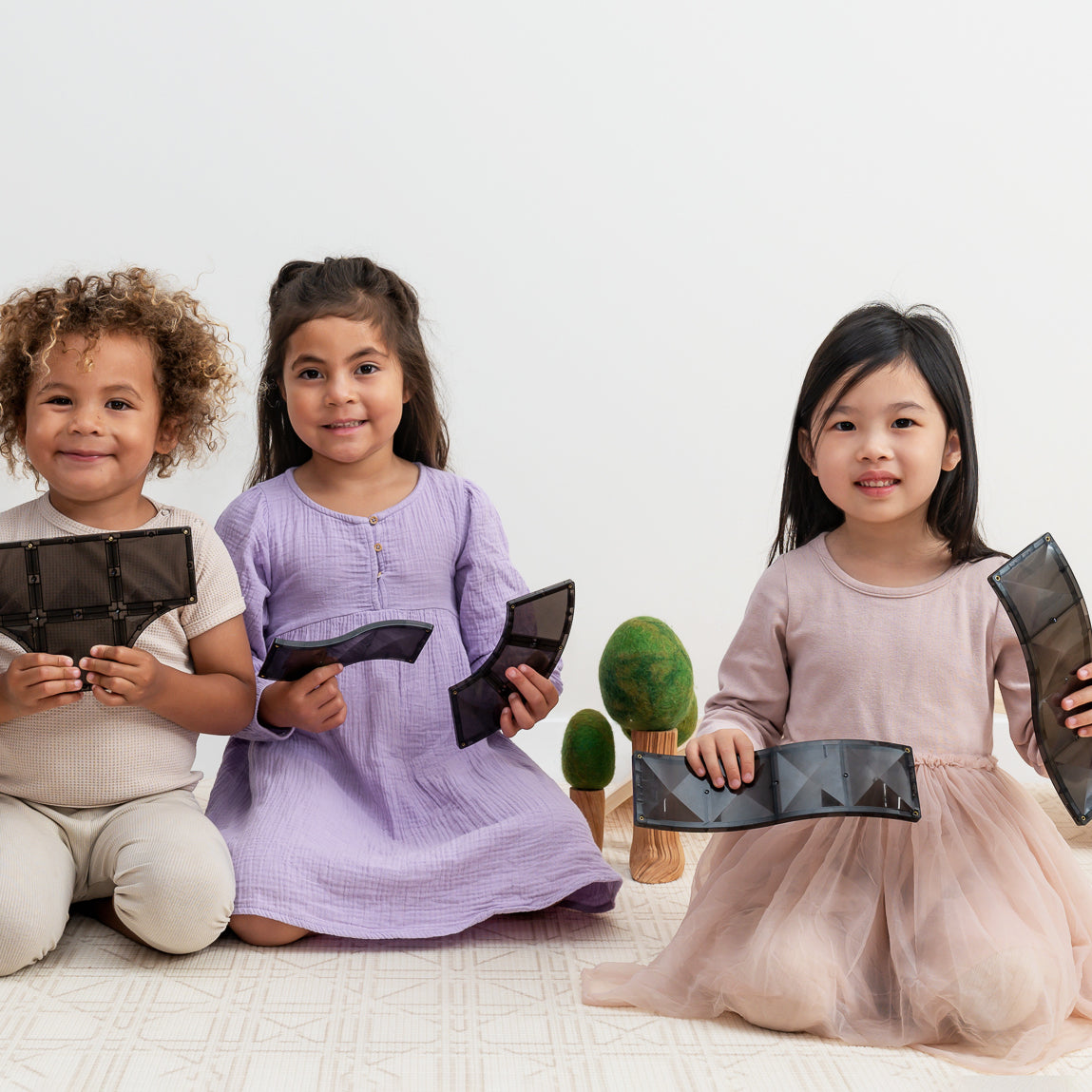
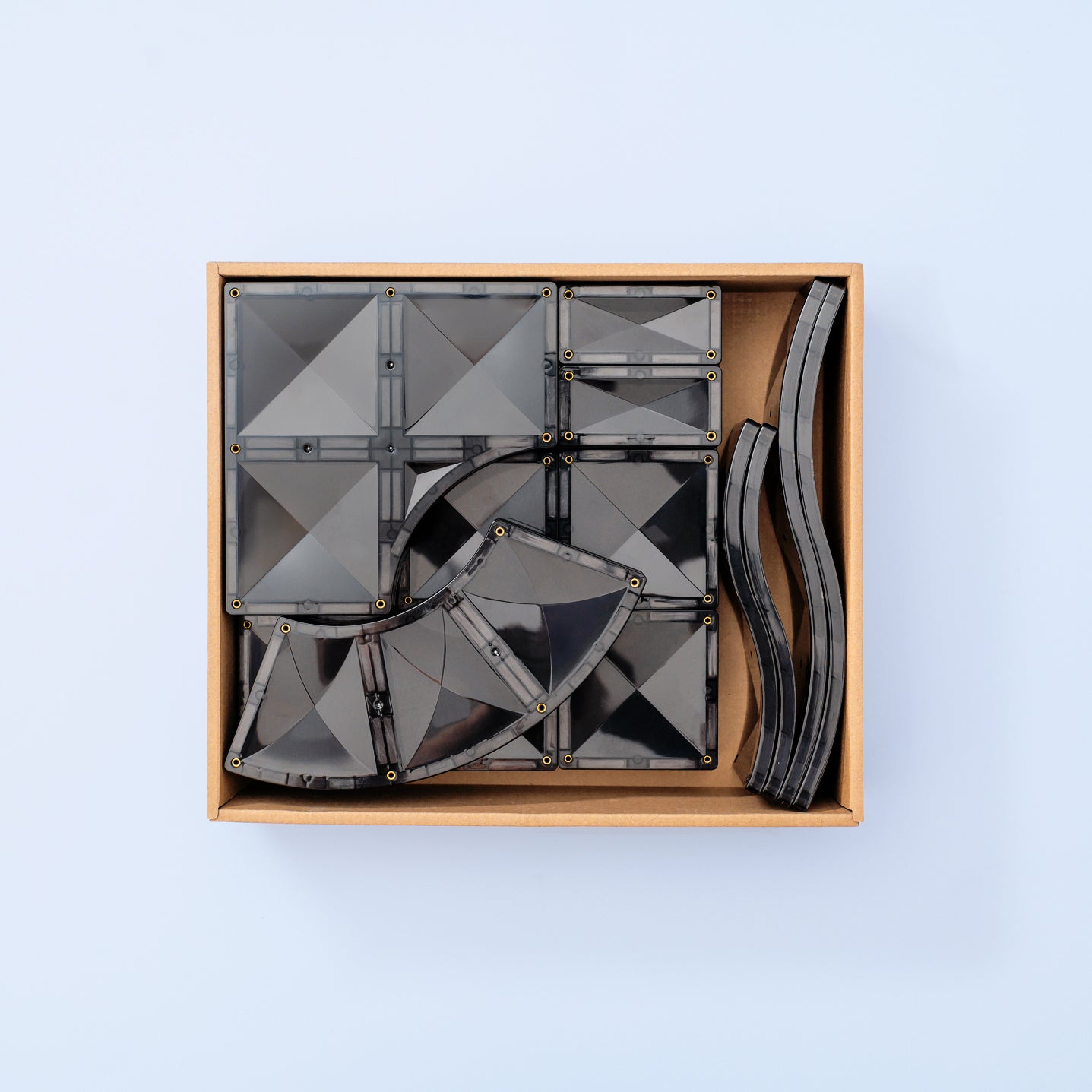
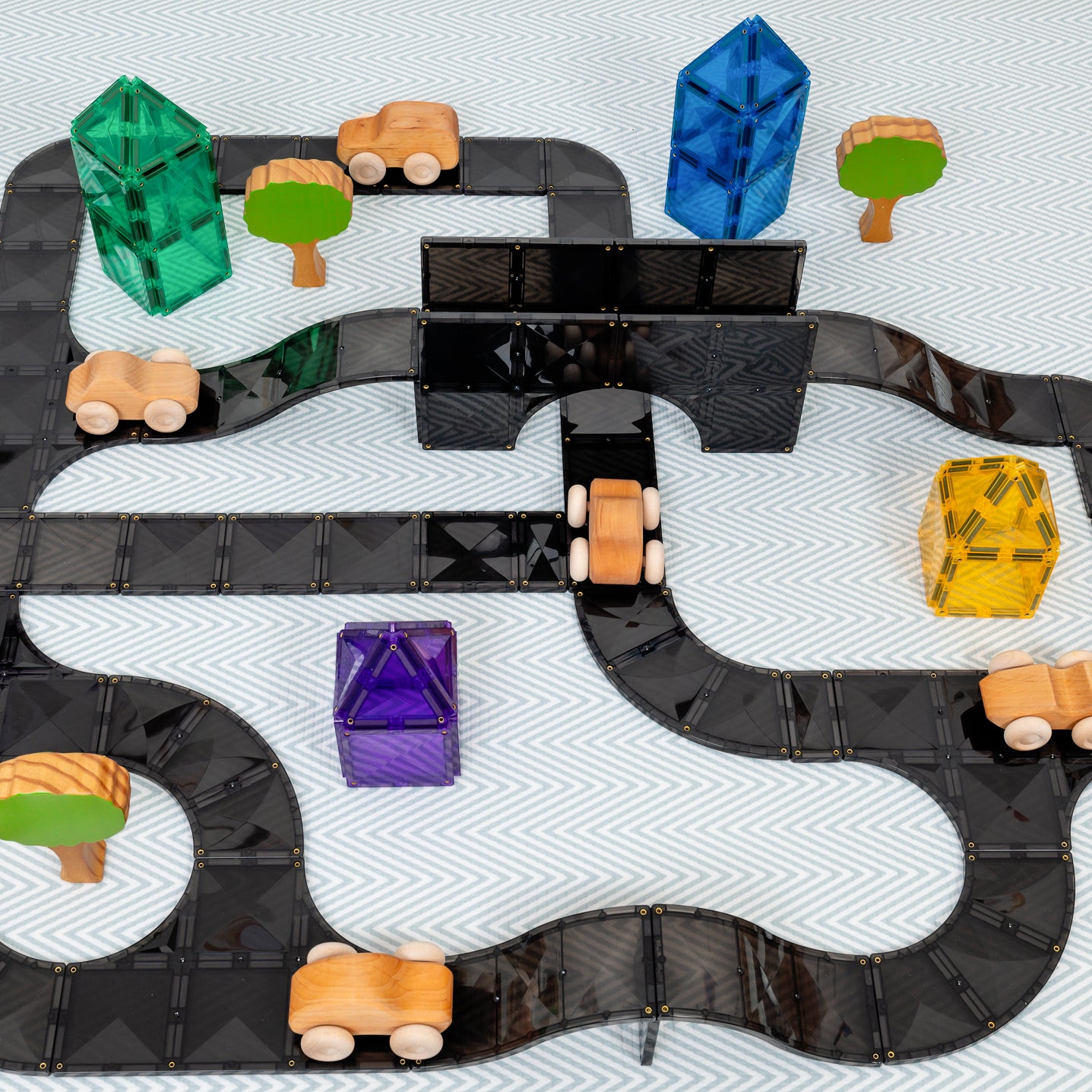
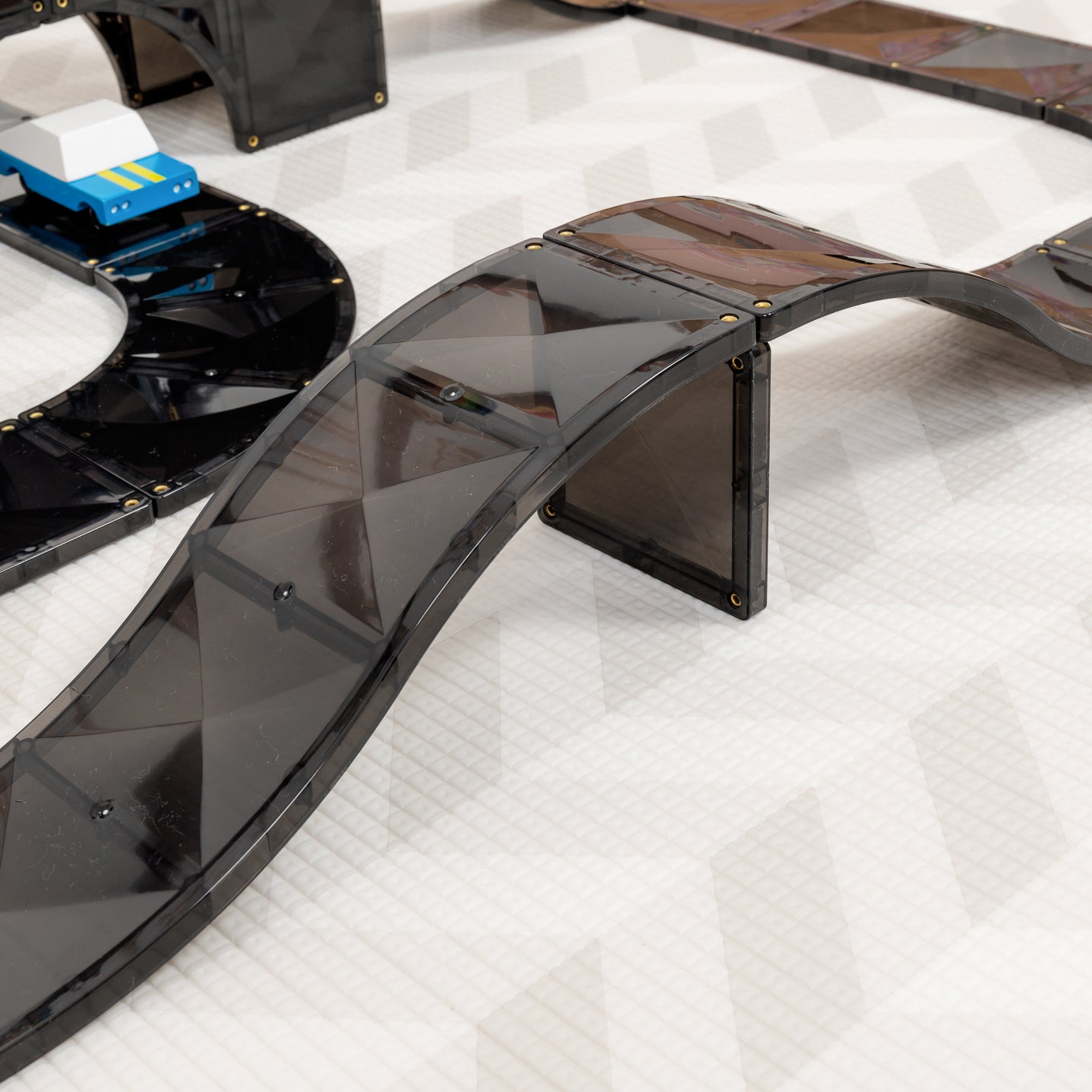
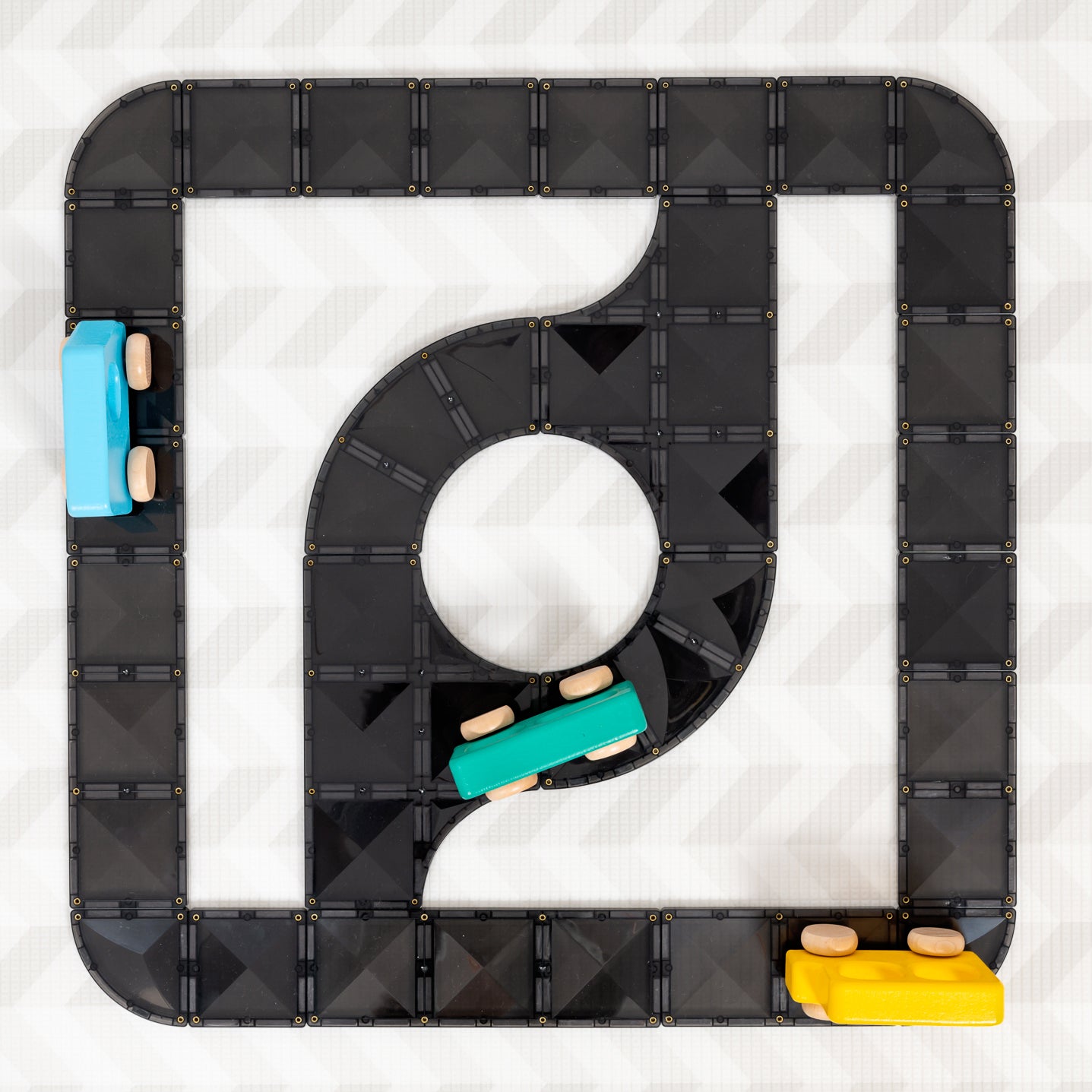
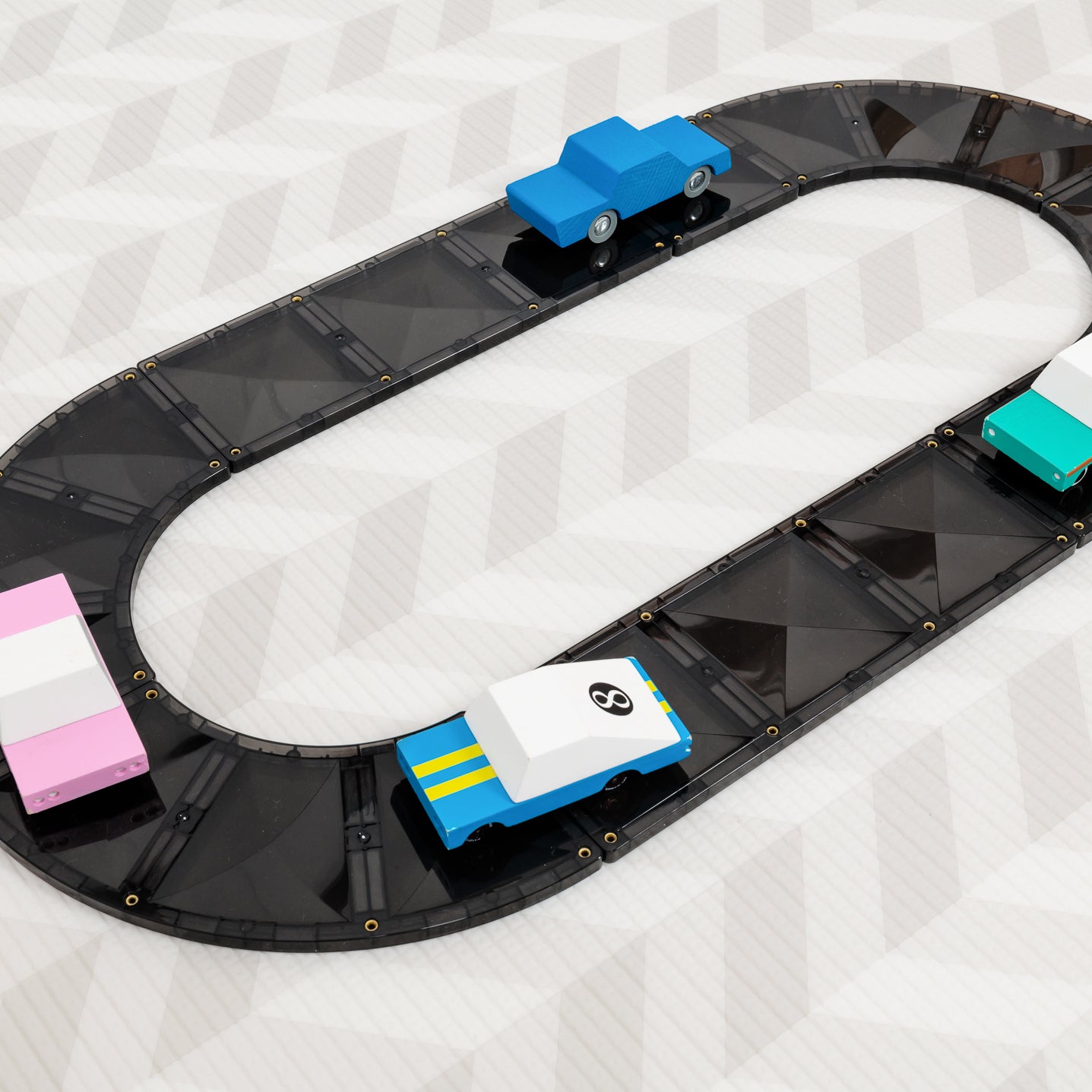
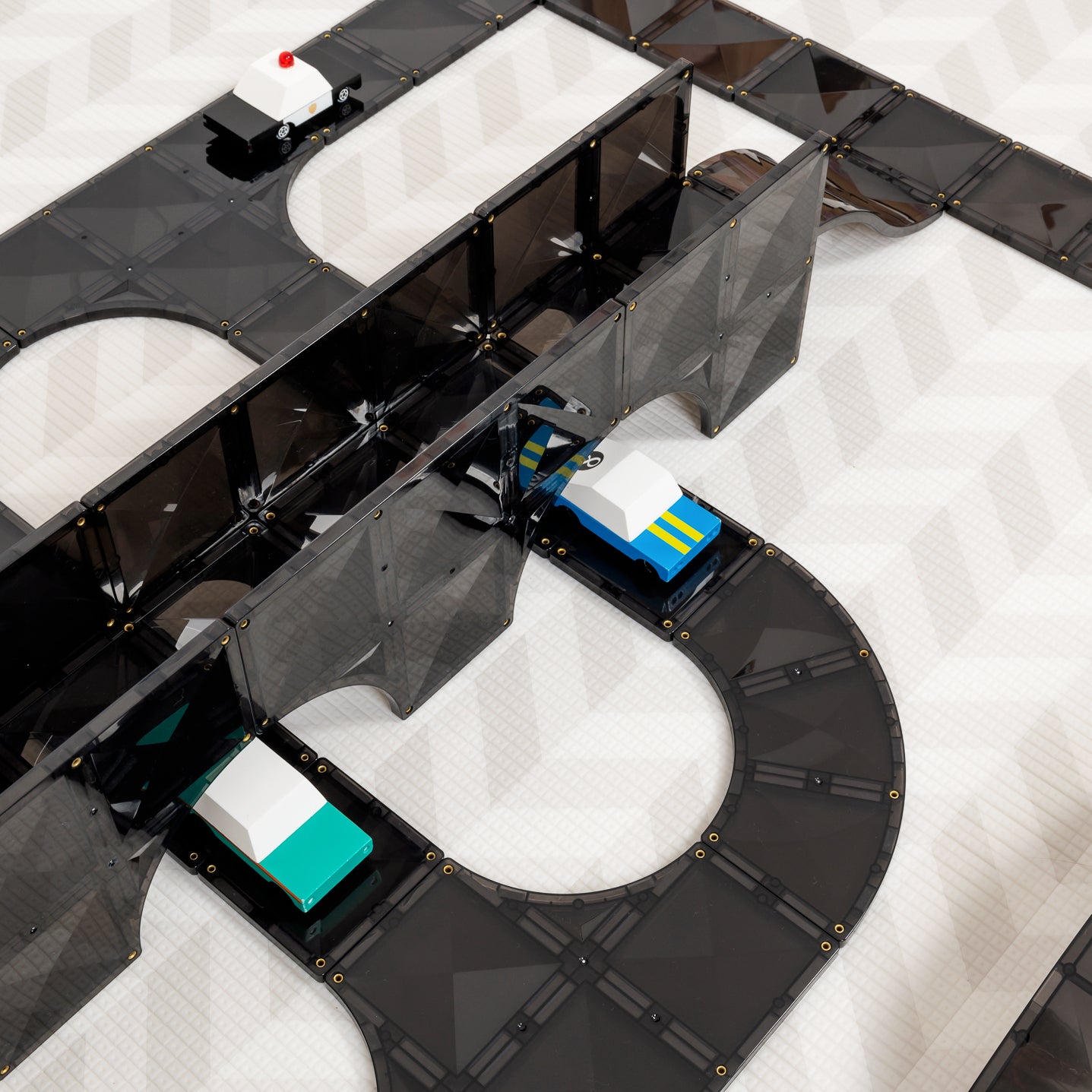
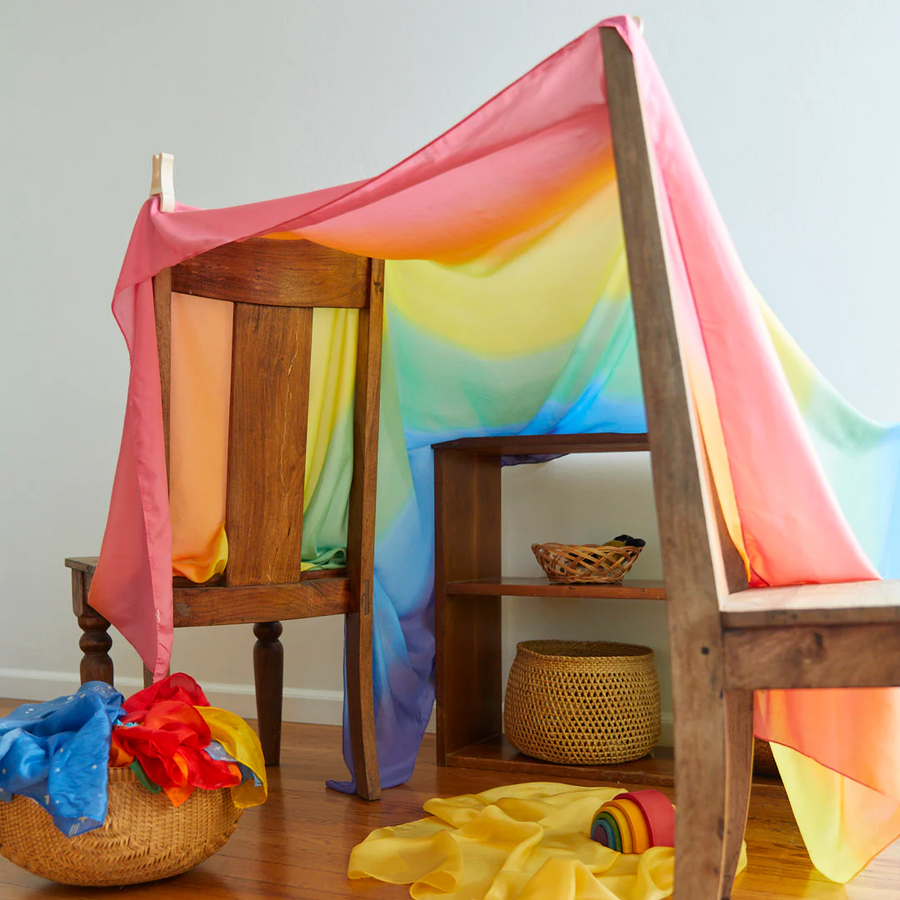
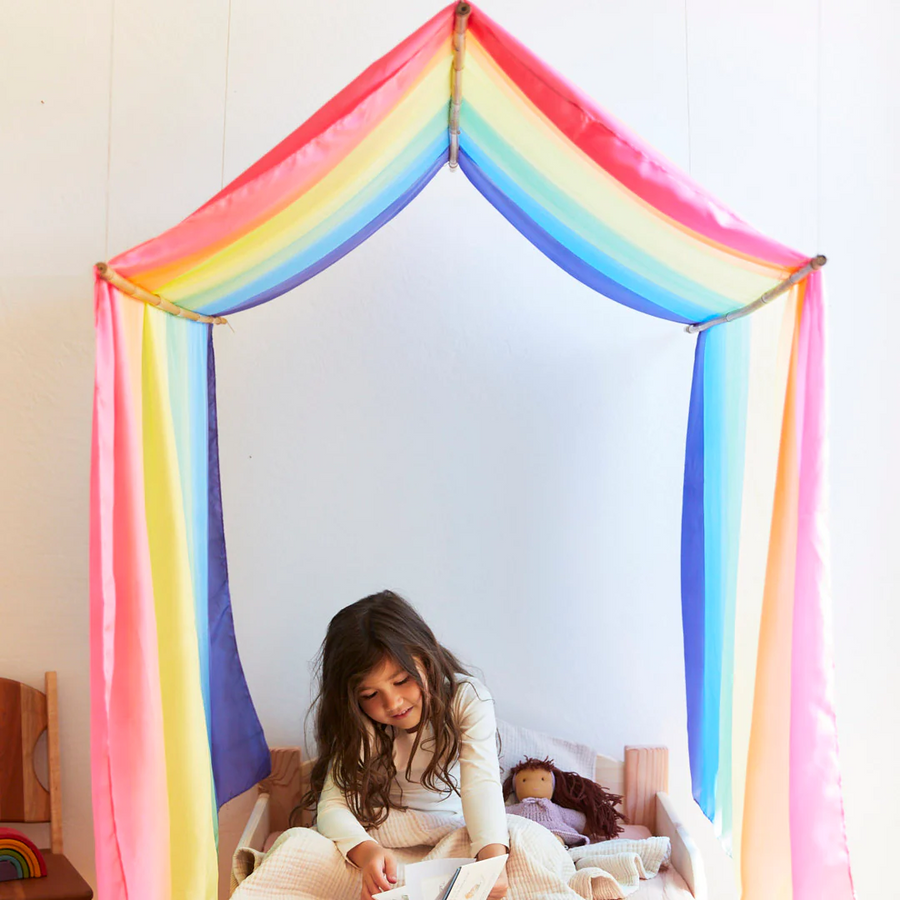
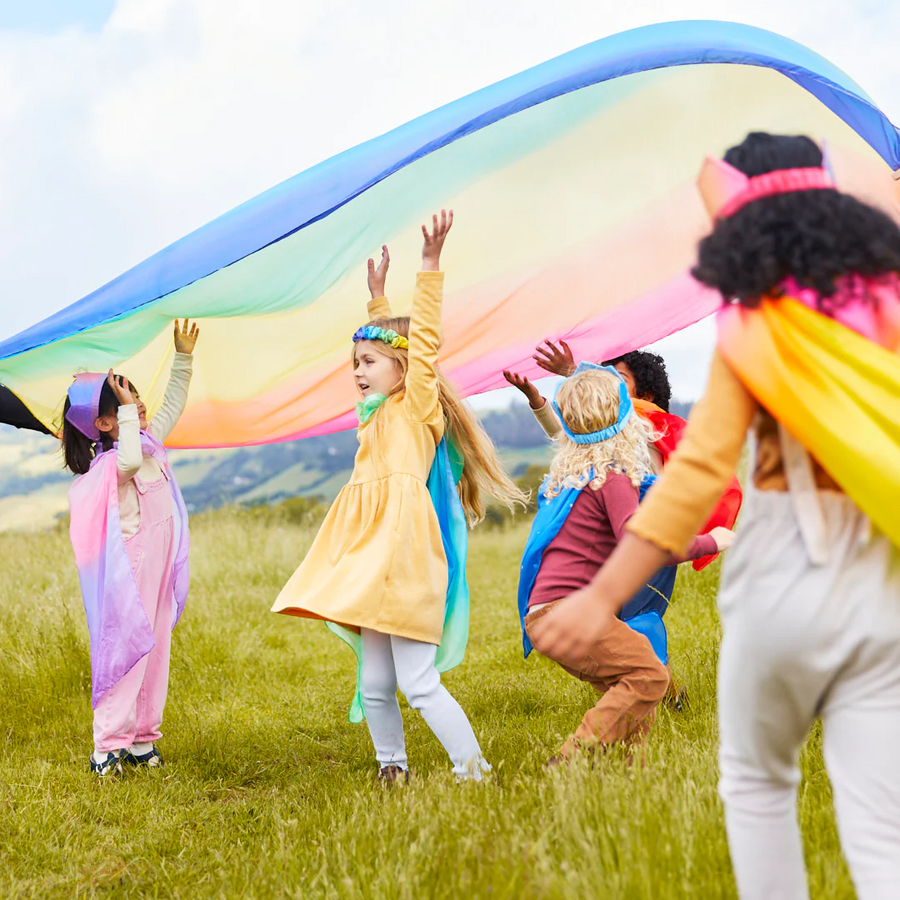
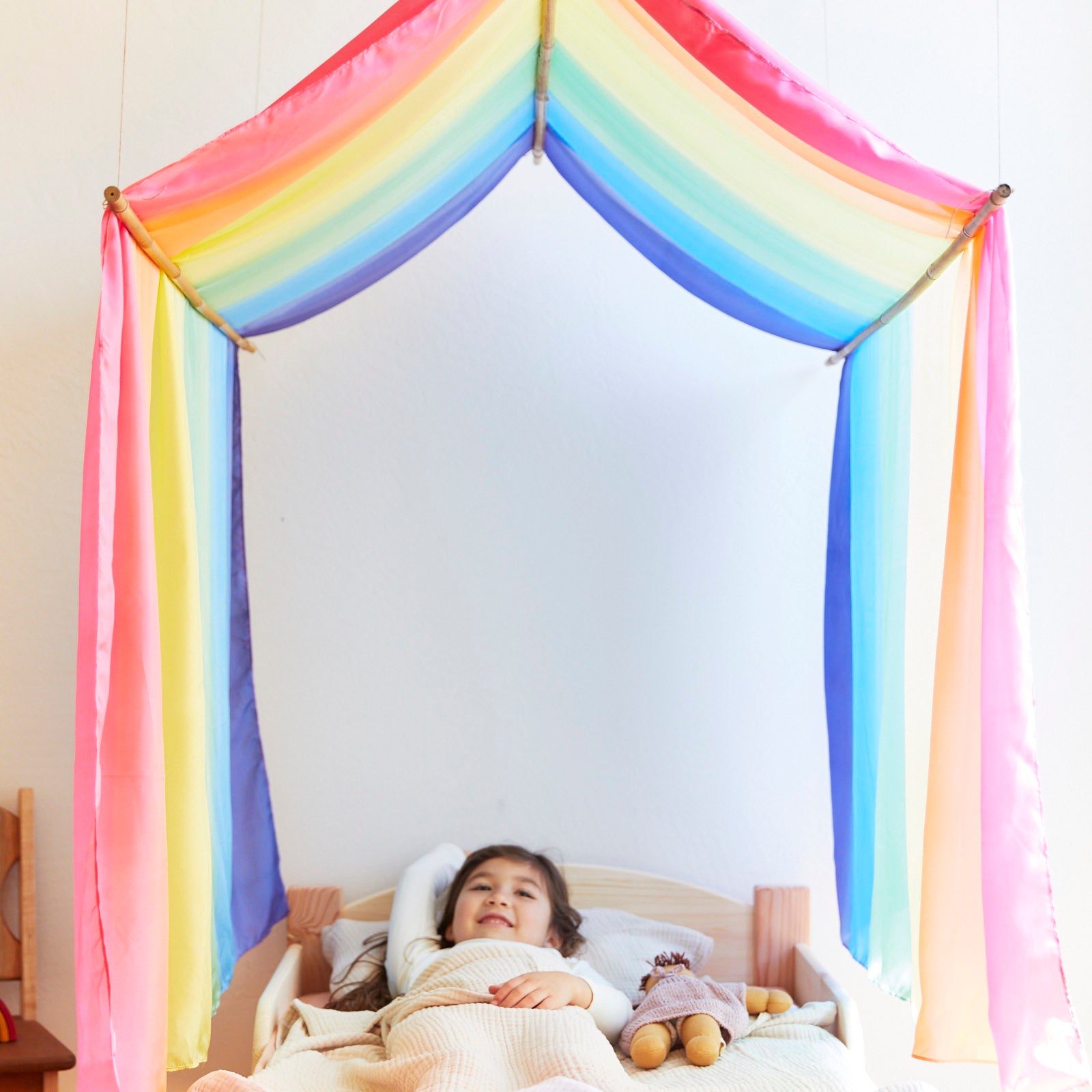
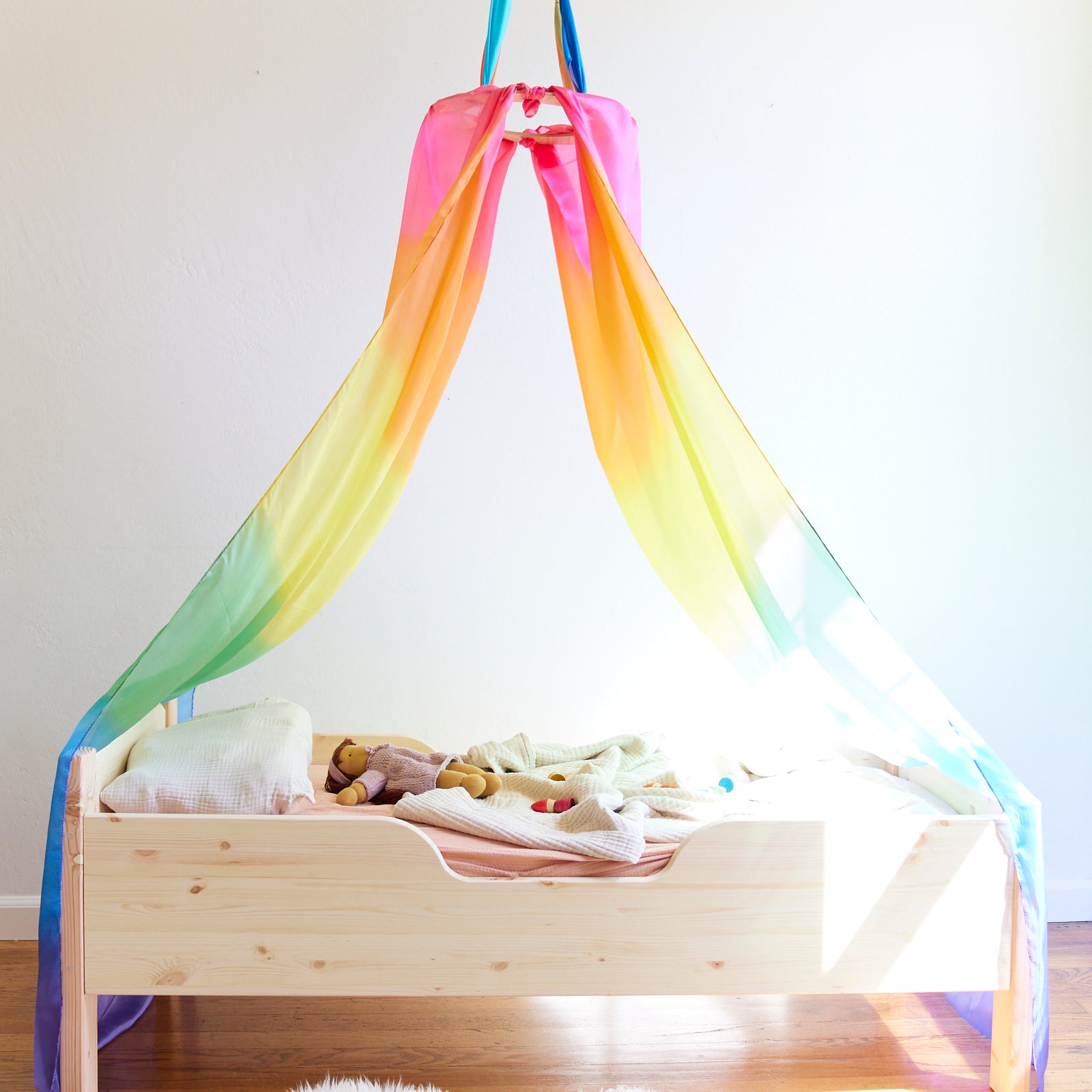
Examples include wooden blocks, loose parts, magnetic tiles, play silks, animal figurines, dolls, and natural materials such as shells and stones.
What age is open-ended play suitable for?
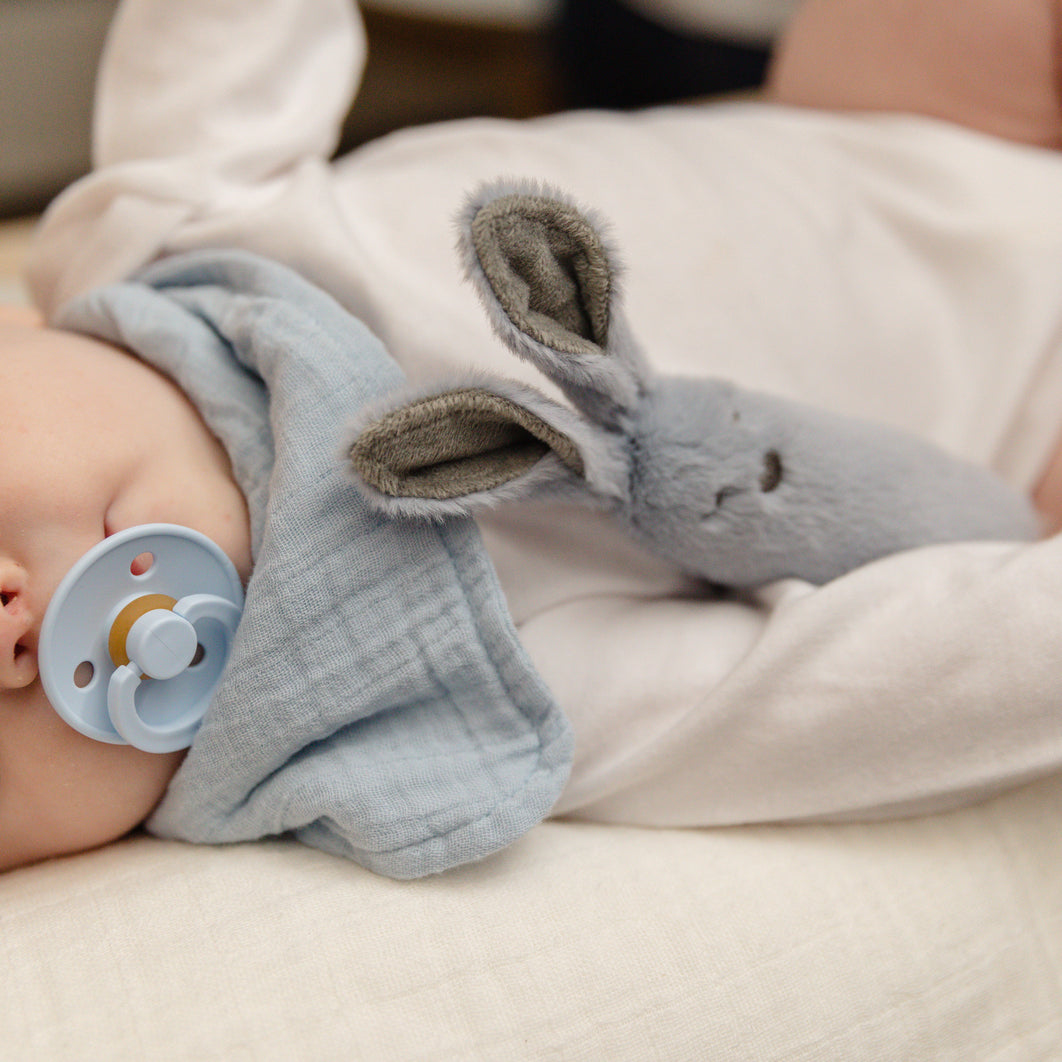
Open-ended play can begin in infancy and continue throughout childhood. The same toy may be used in completely different ways as a child grows and develops.
Why is open-ended play important?
Open-ended play helps develop creativity, confidence, independent thinking, problem-solving skills, communication, and imagination.
Featured Open-Ended Play Brands:
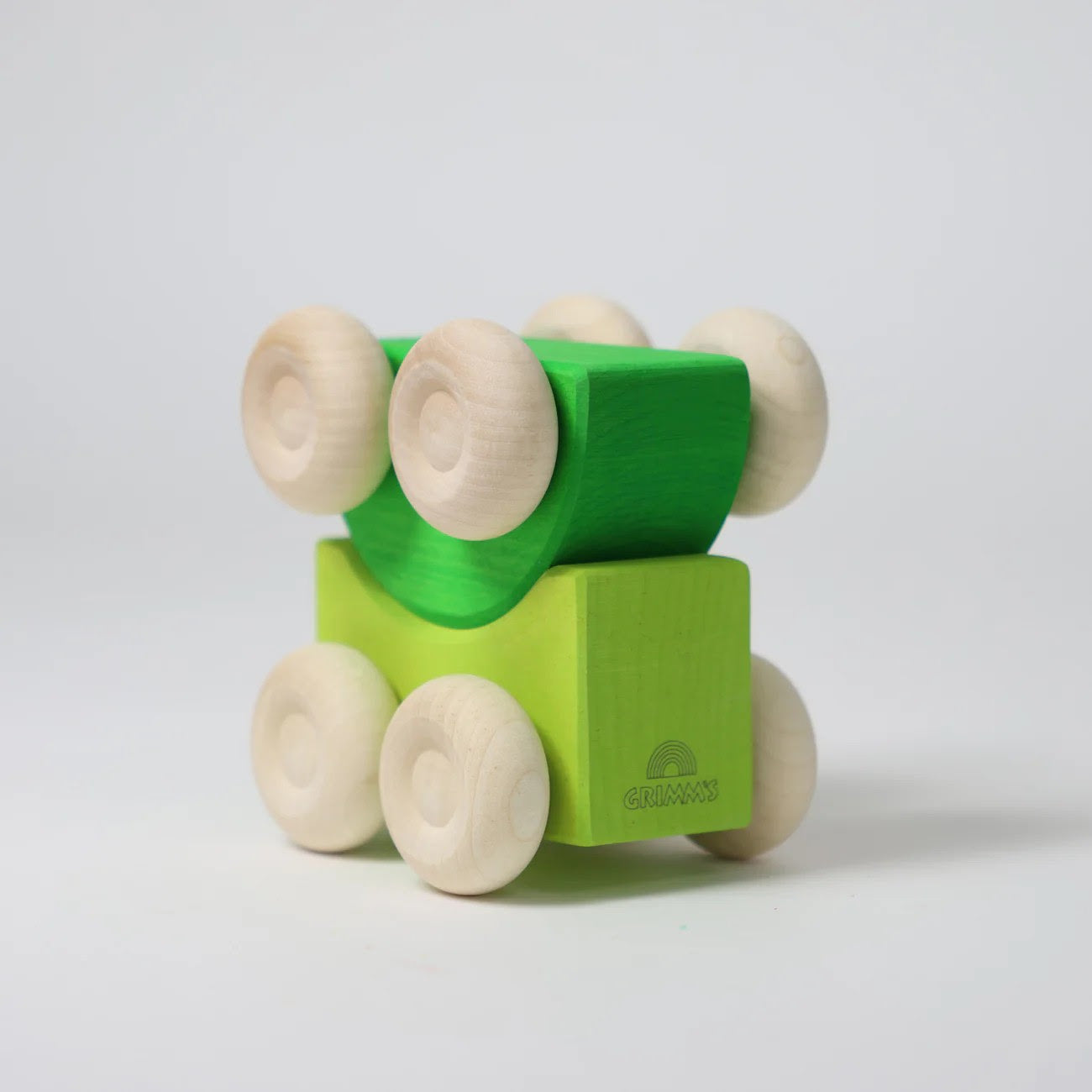
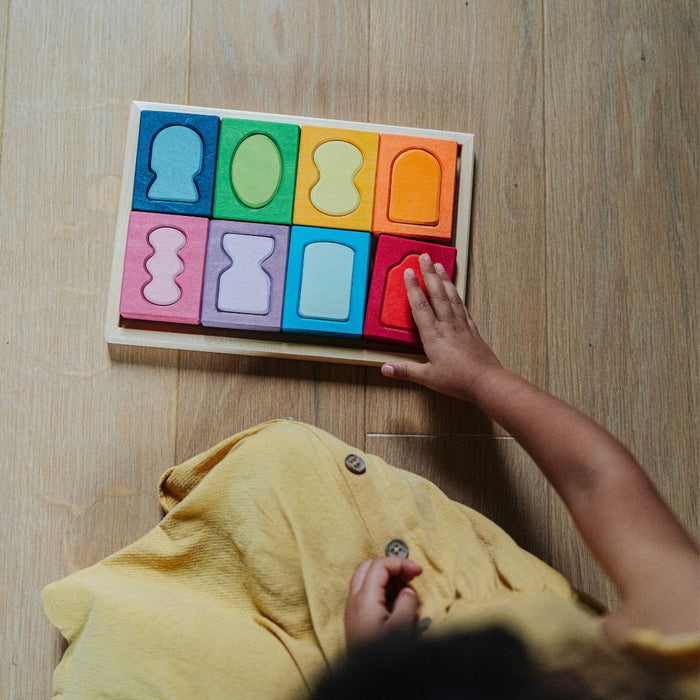
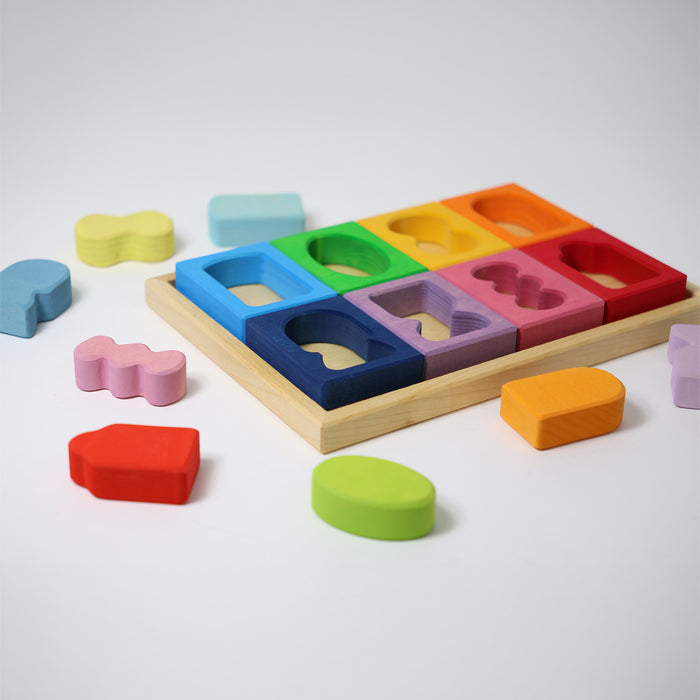
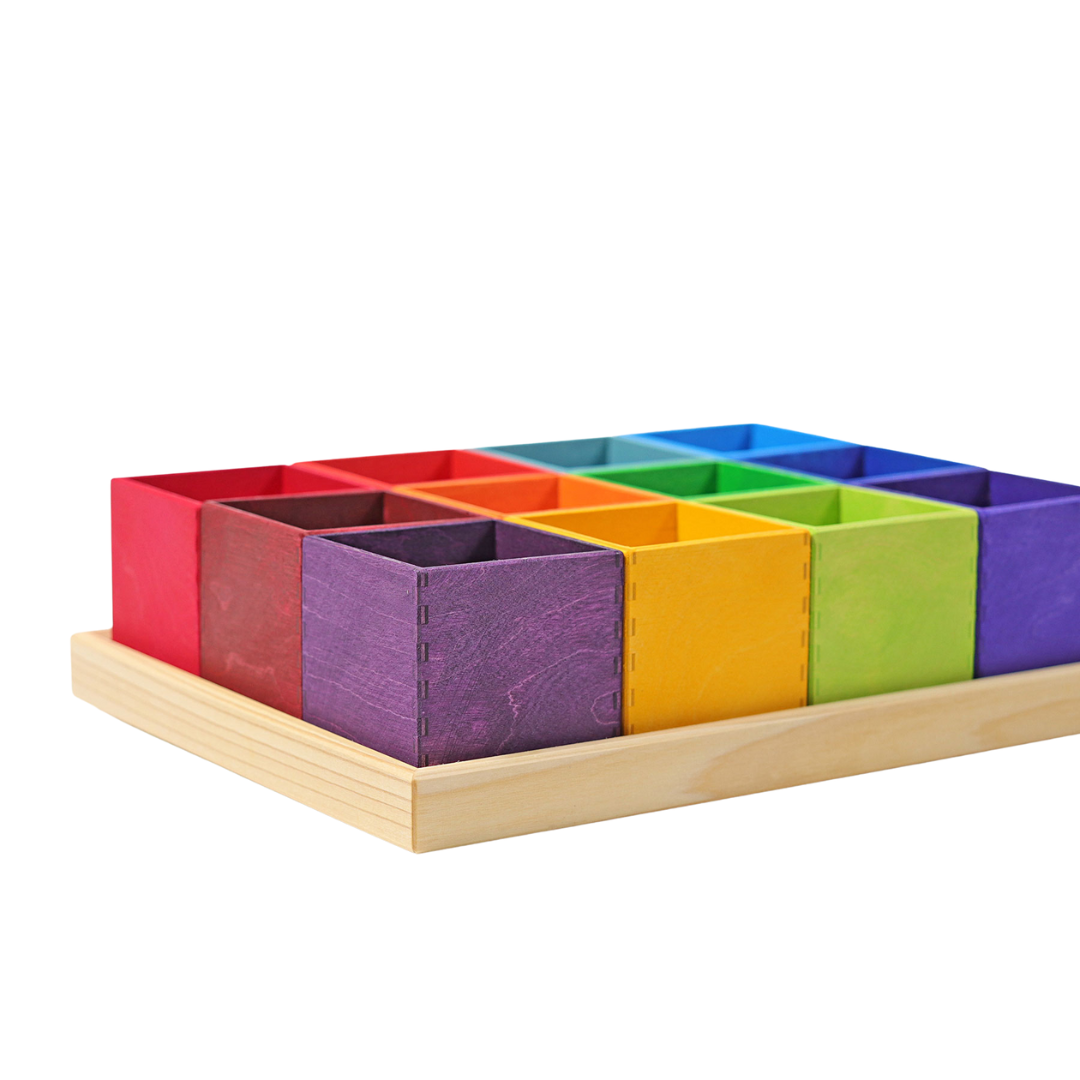
Grimm's – Colourful wooden toys for building and imaginative play.
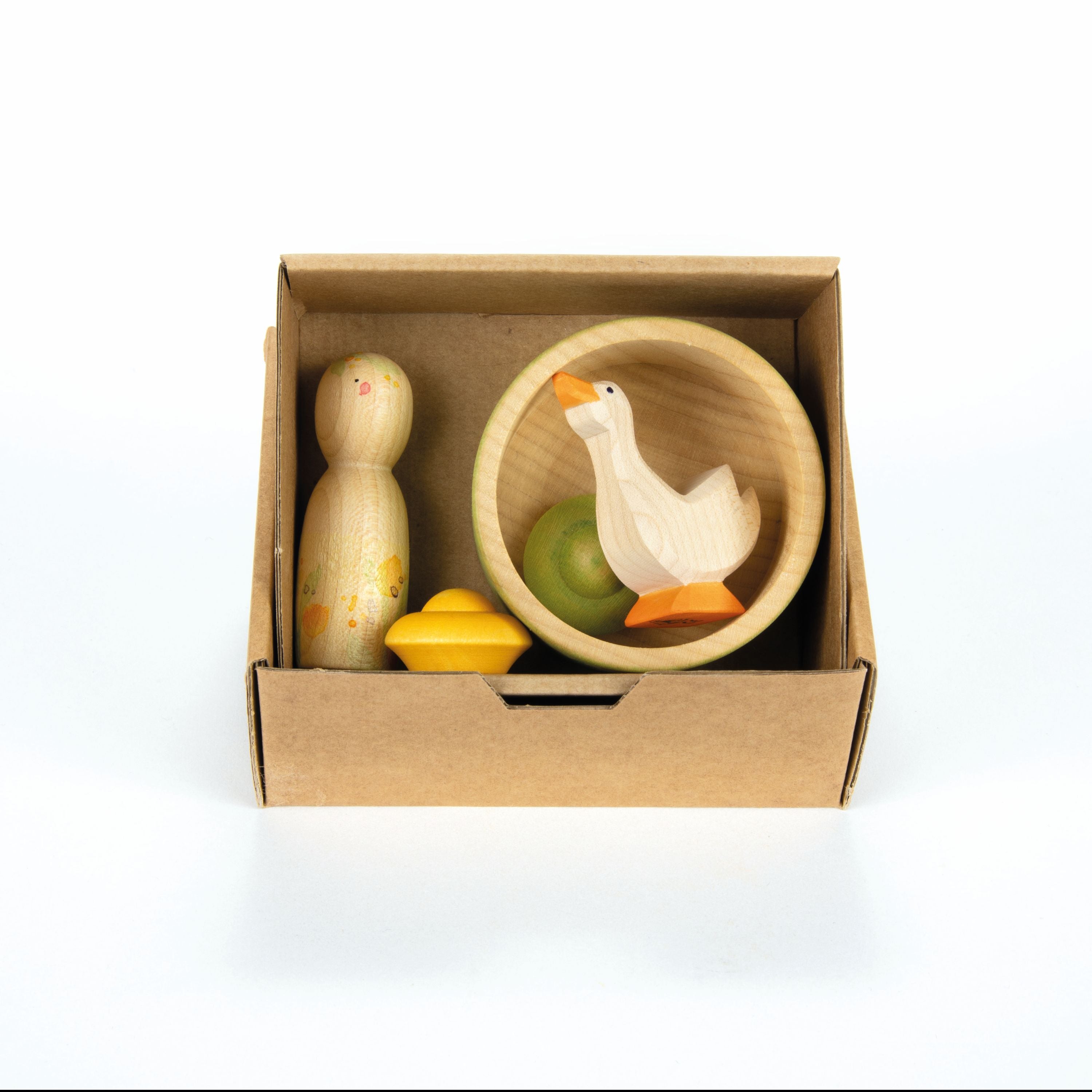
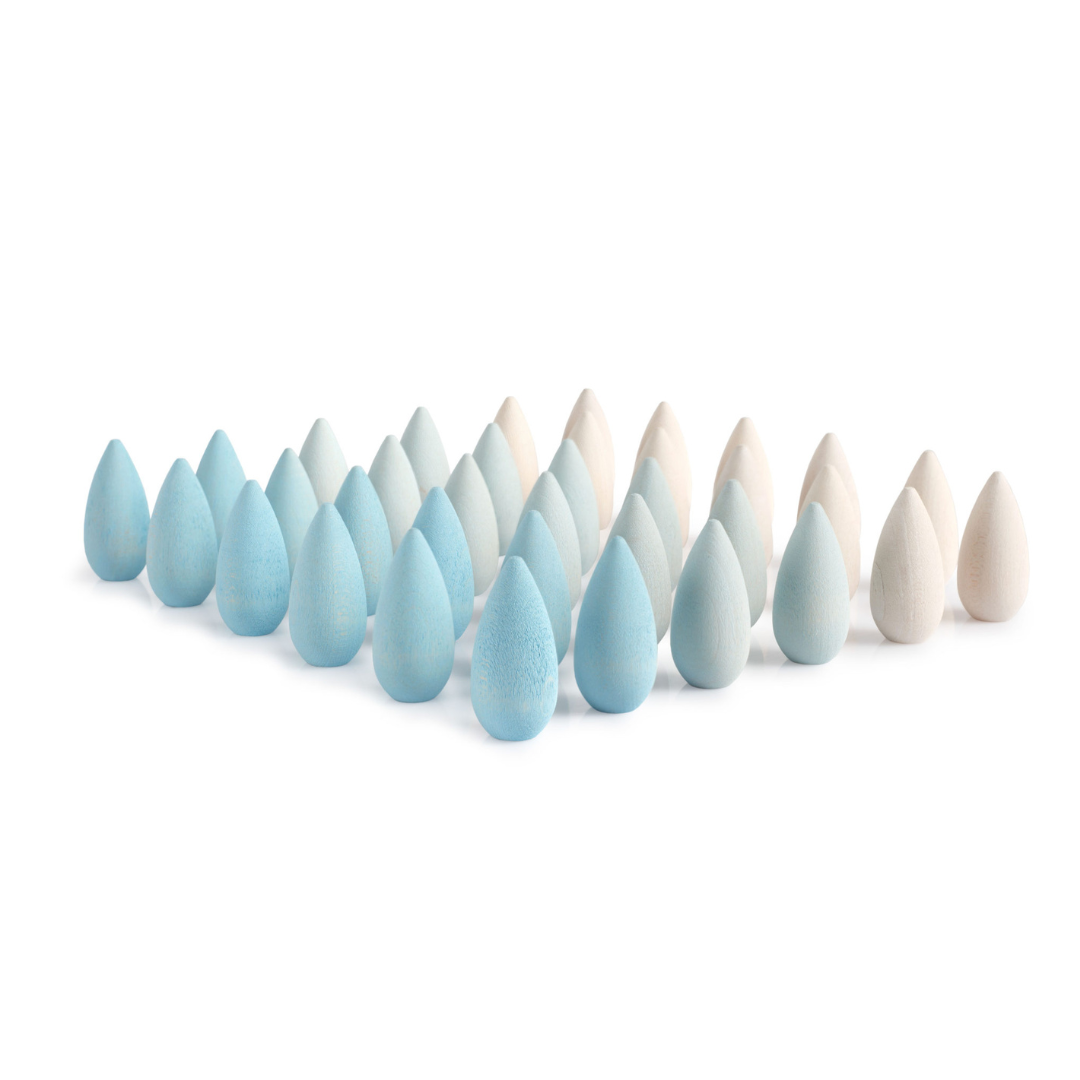
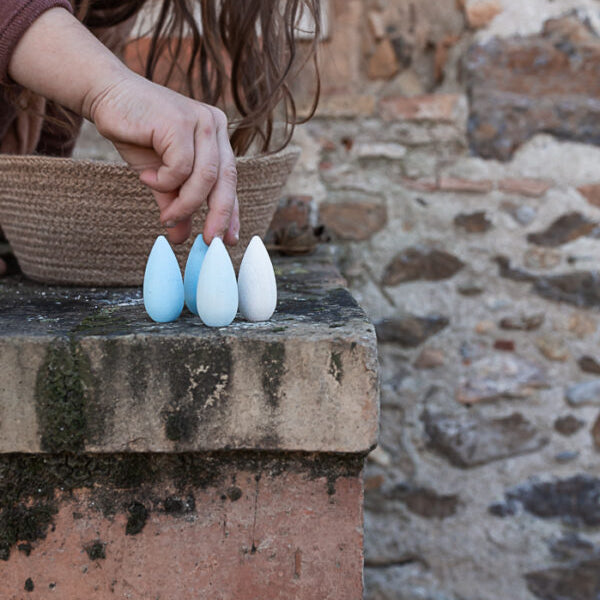
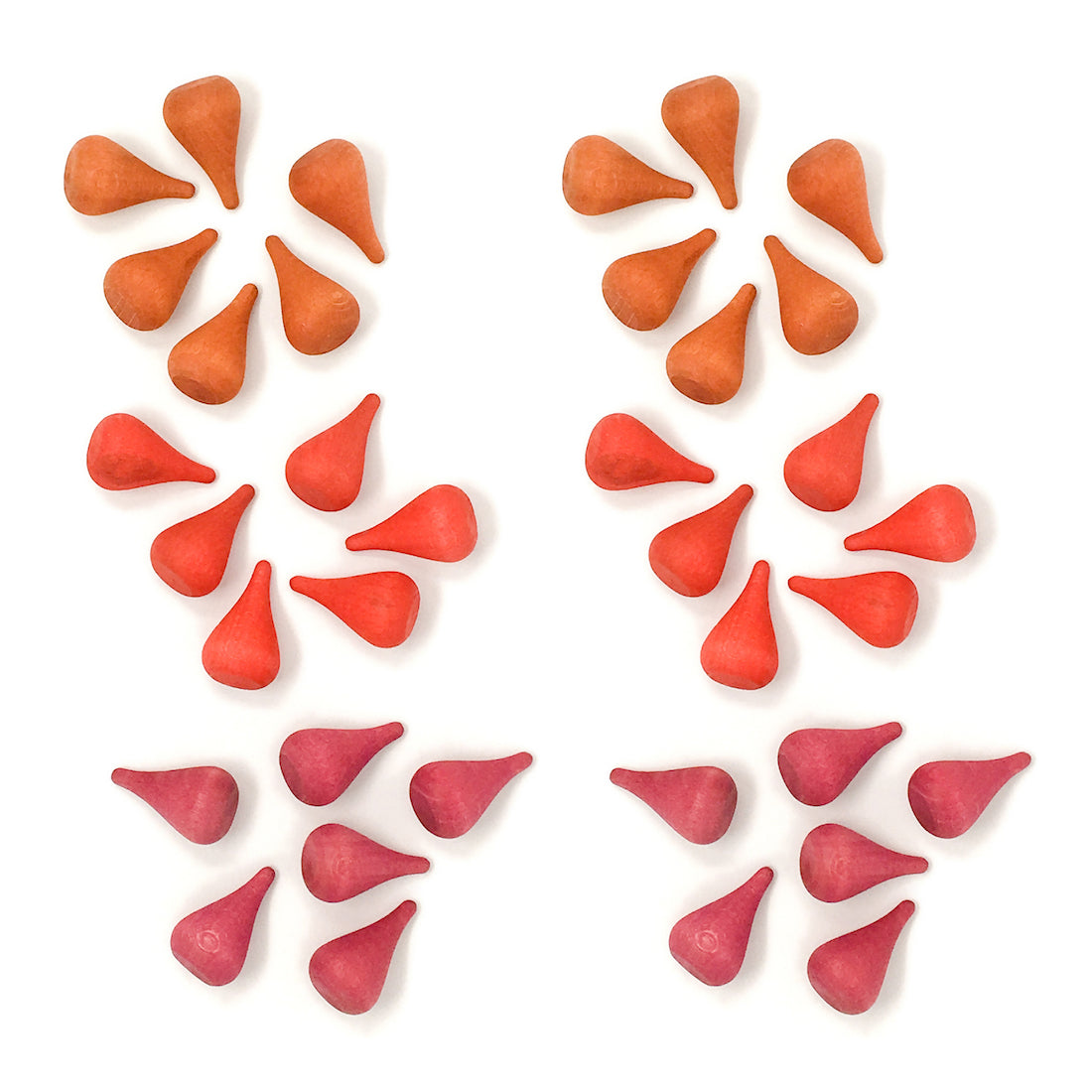
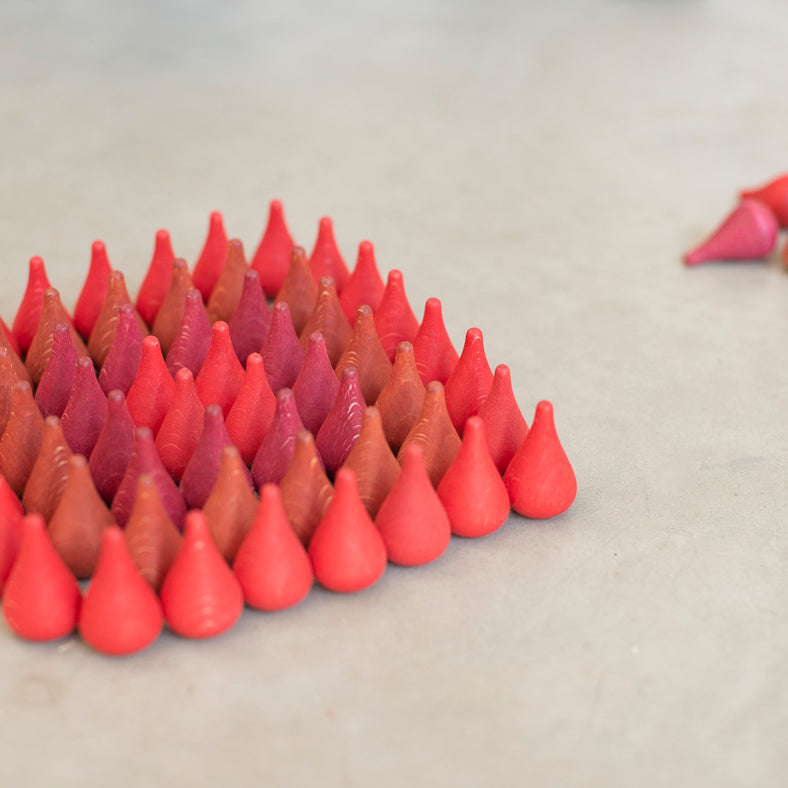
Grapat – Loose parts and mandala play that encourage creativity and storytelling.
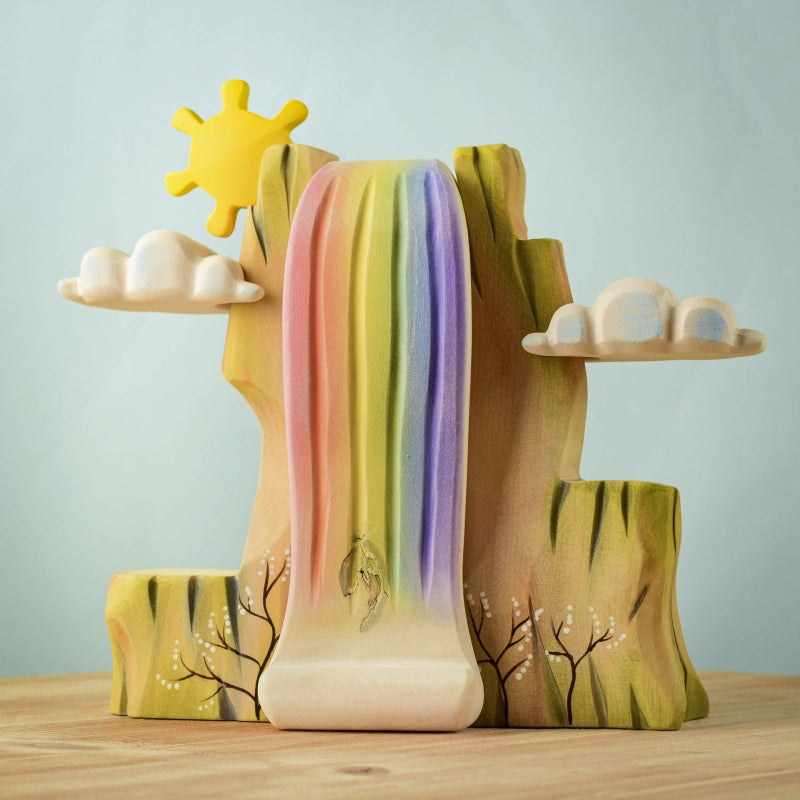
Bauspiel – Vibrant construction materials that combine building, sensory exploration and light play.
Wooden Story – Beautiful handcrafted wooden toys inspired by nature.
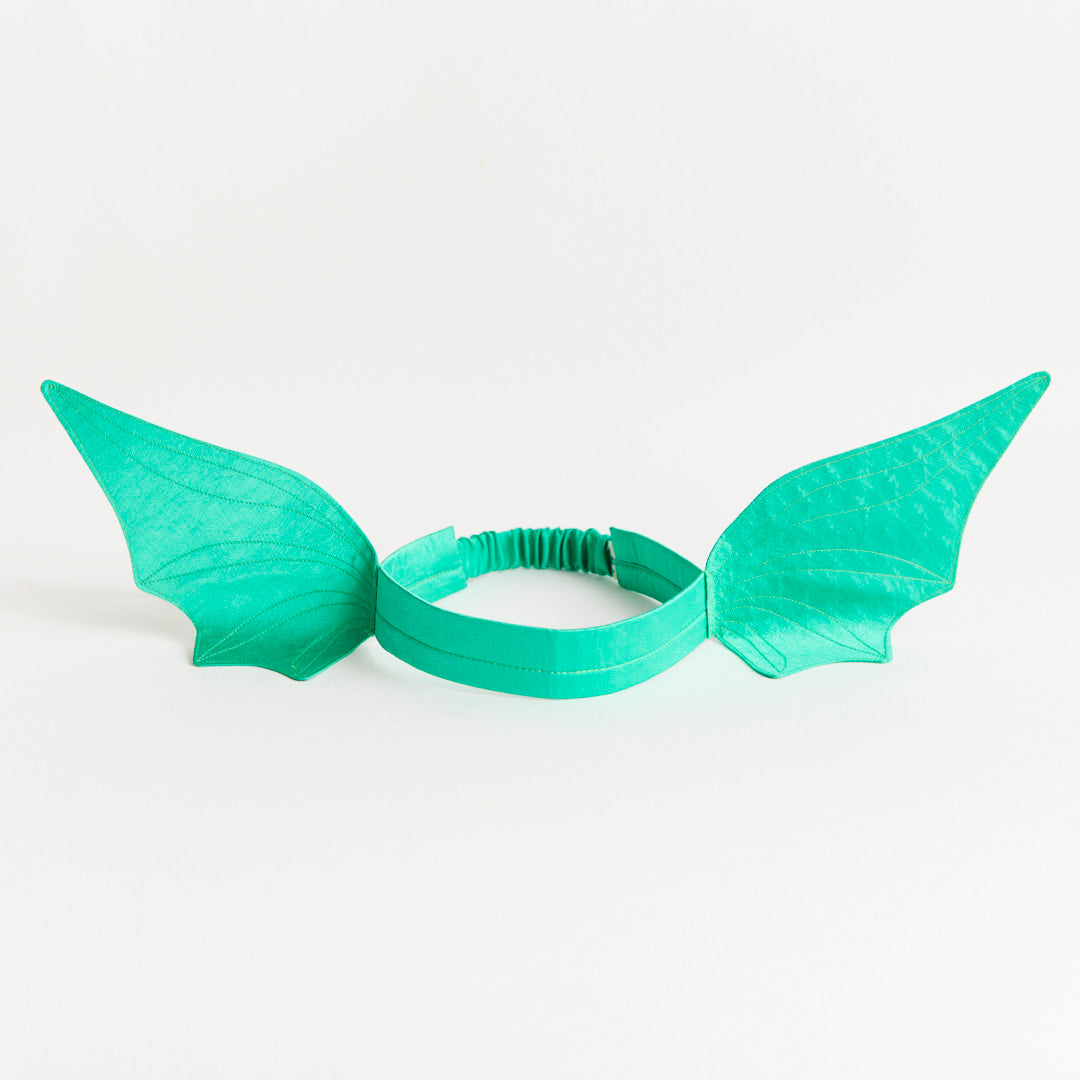
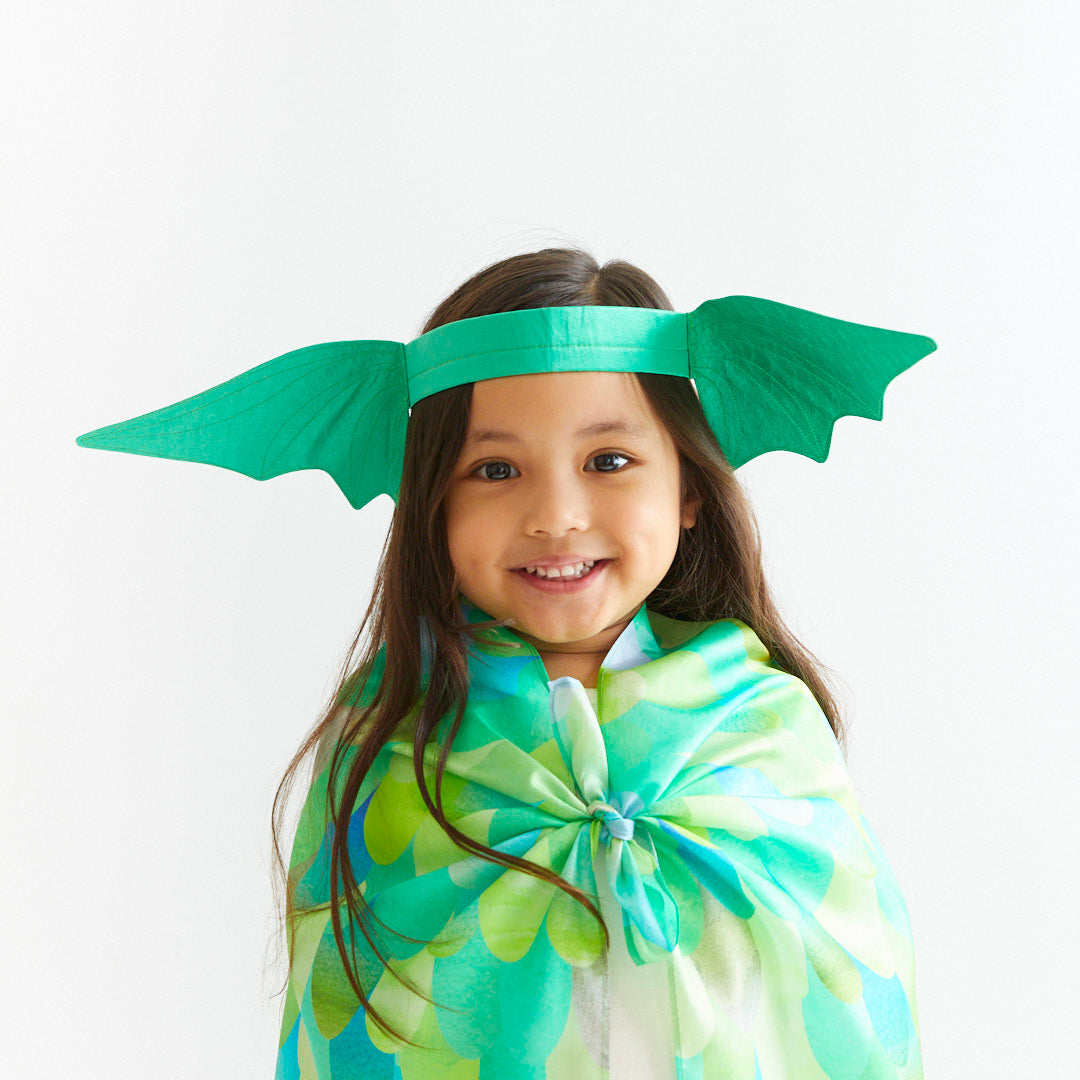
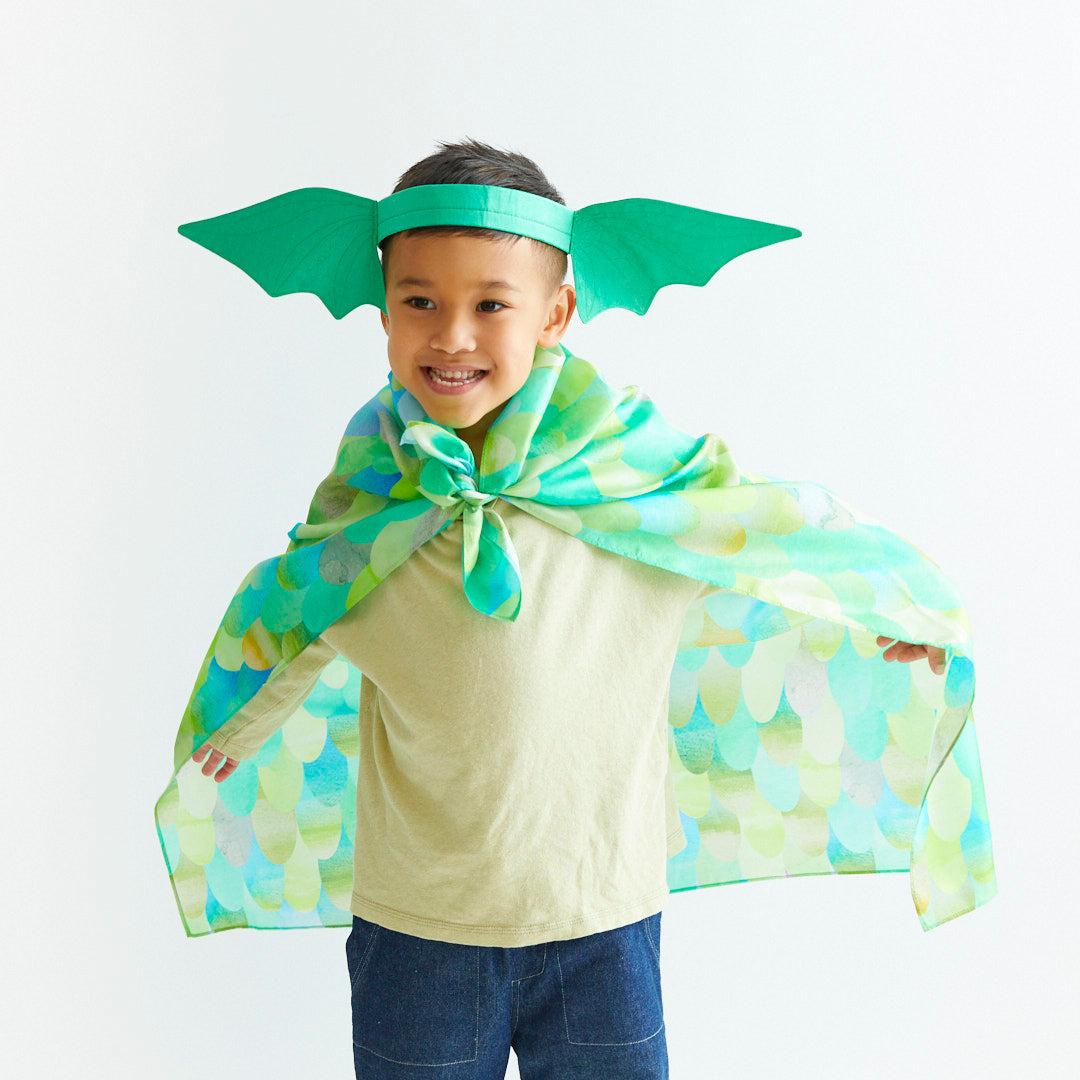
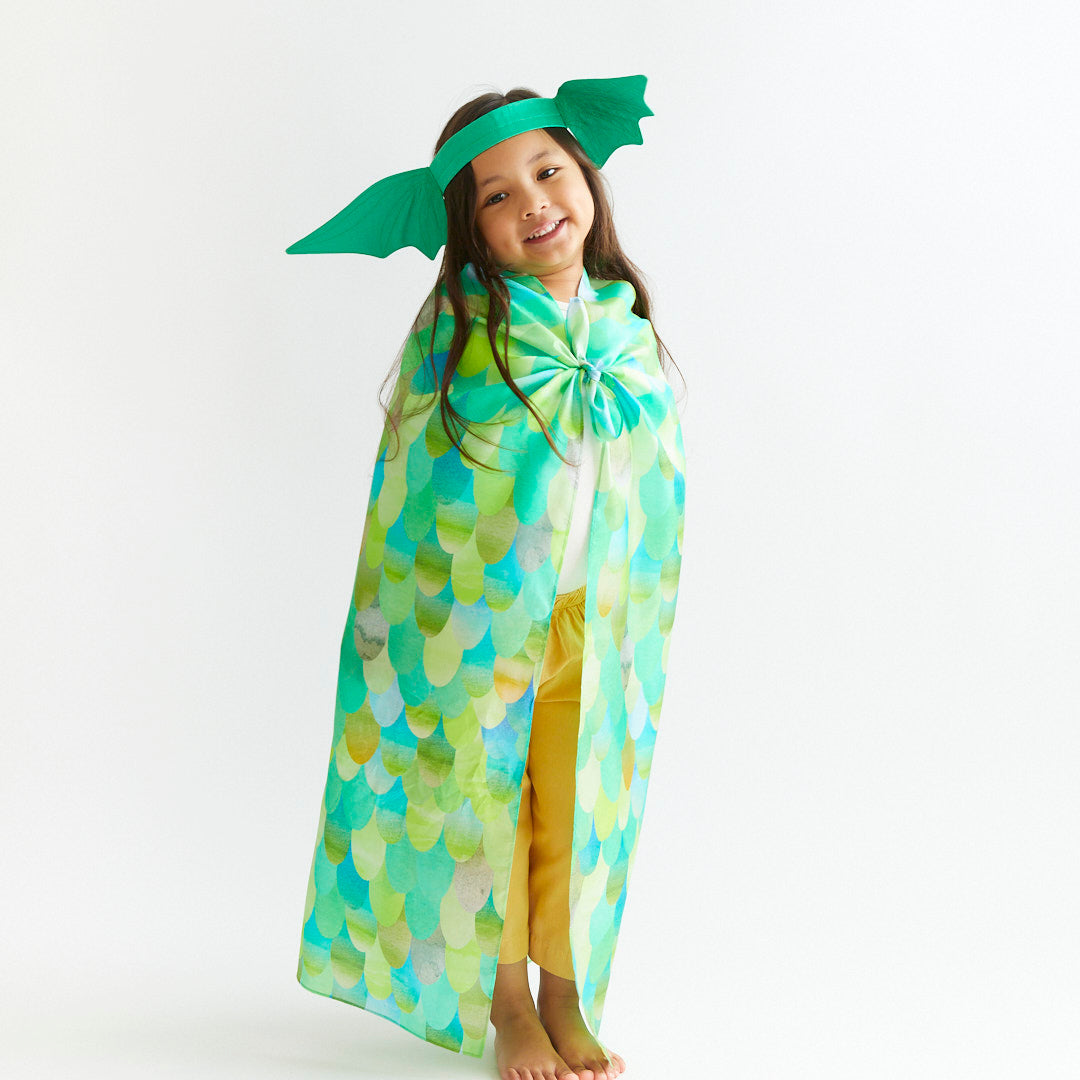
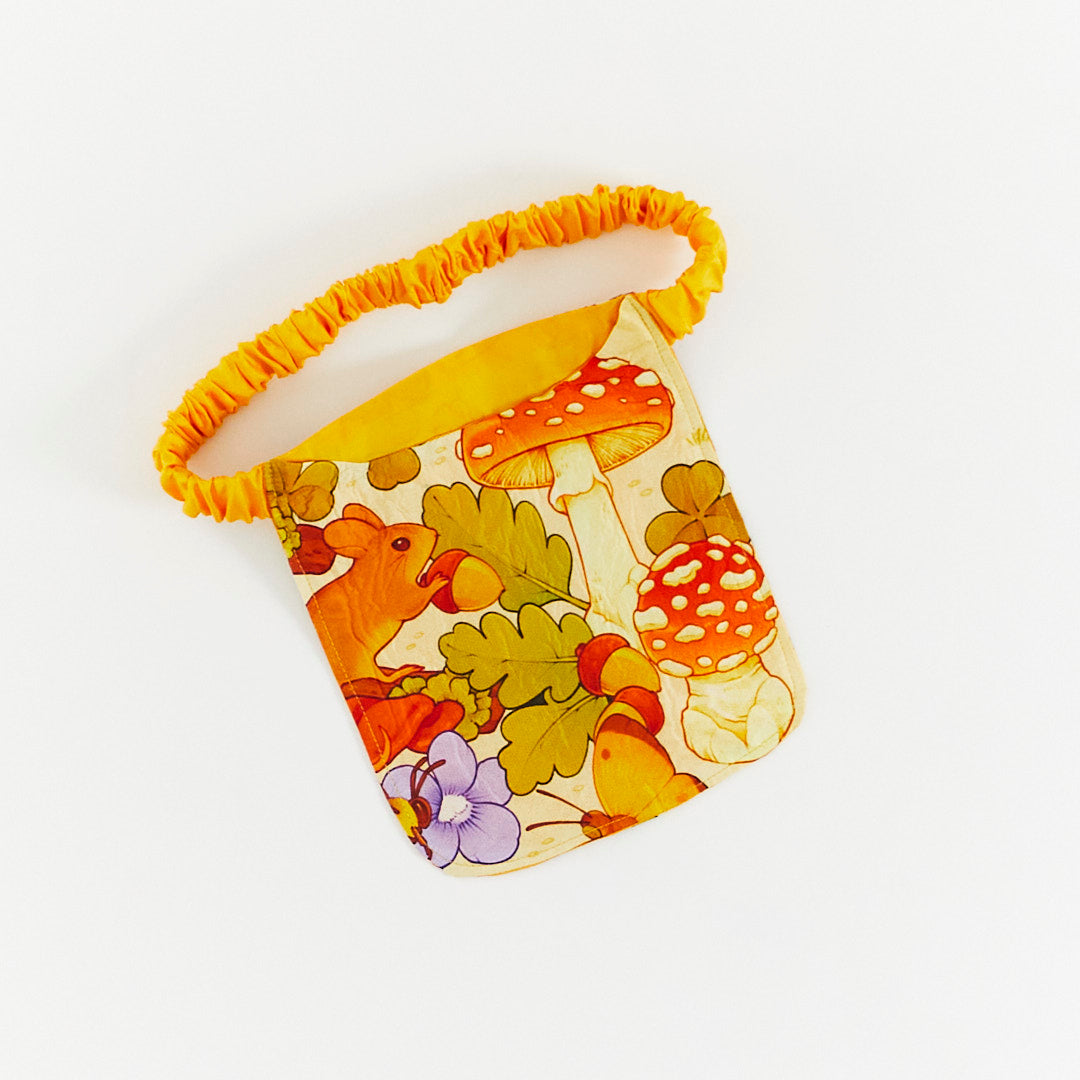
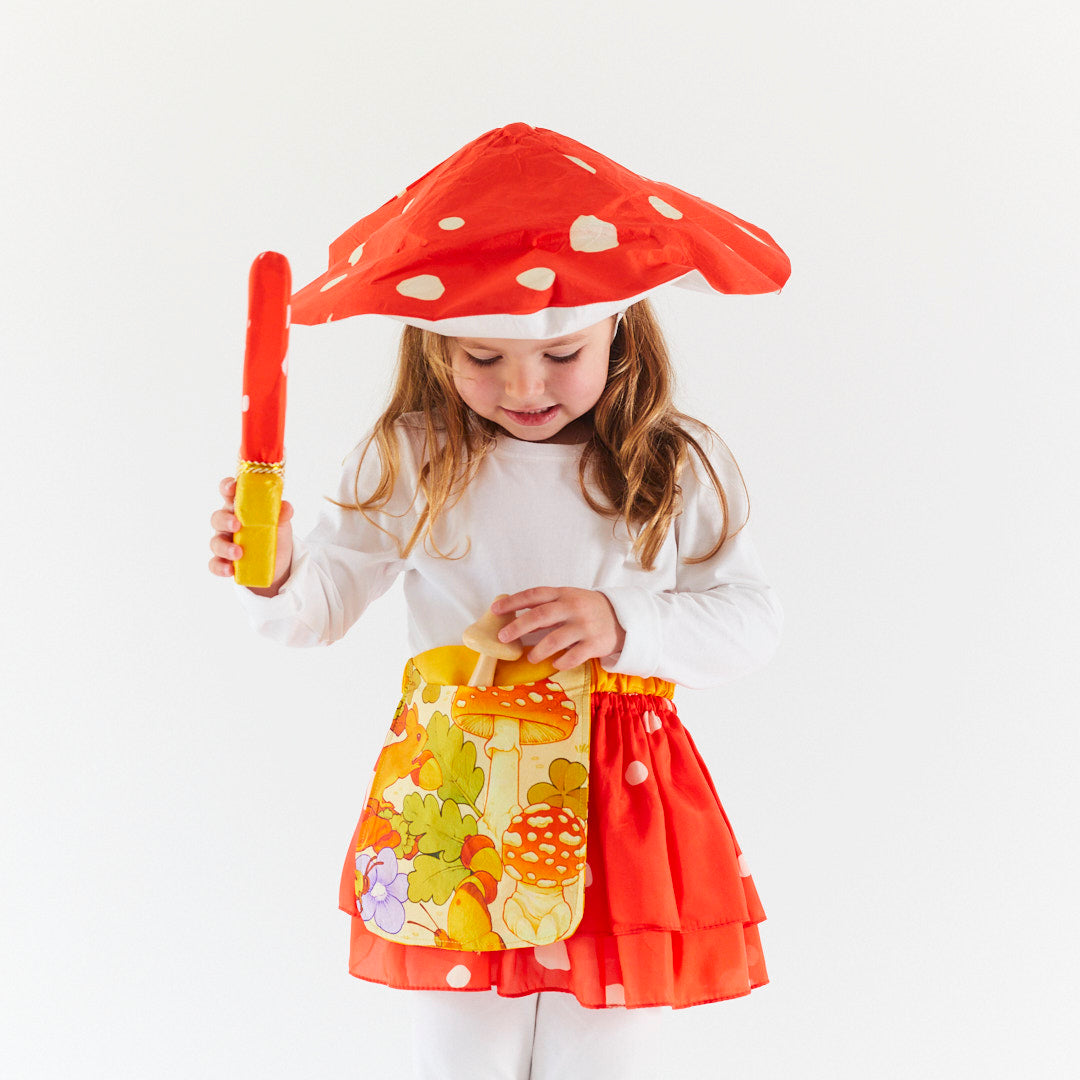
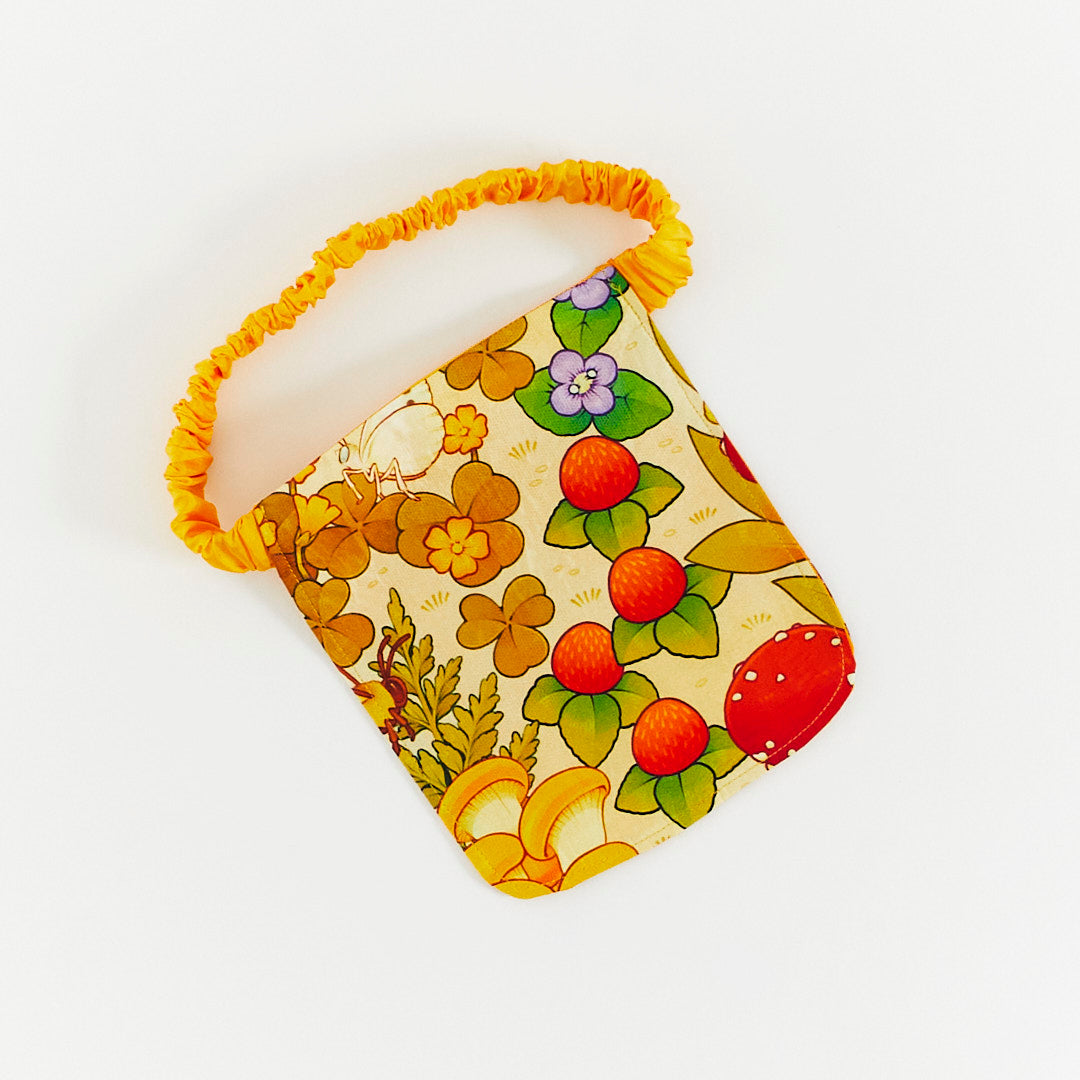
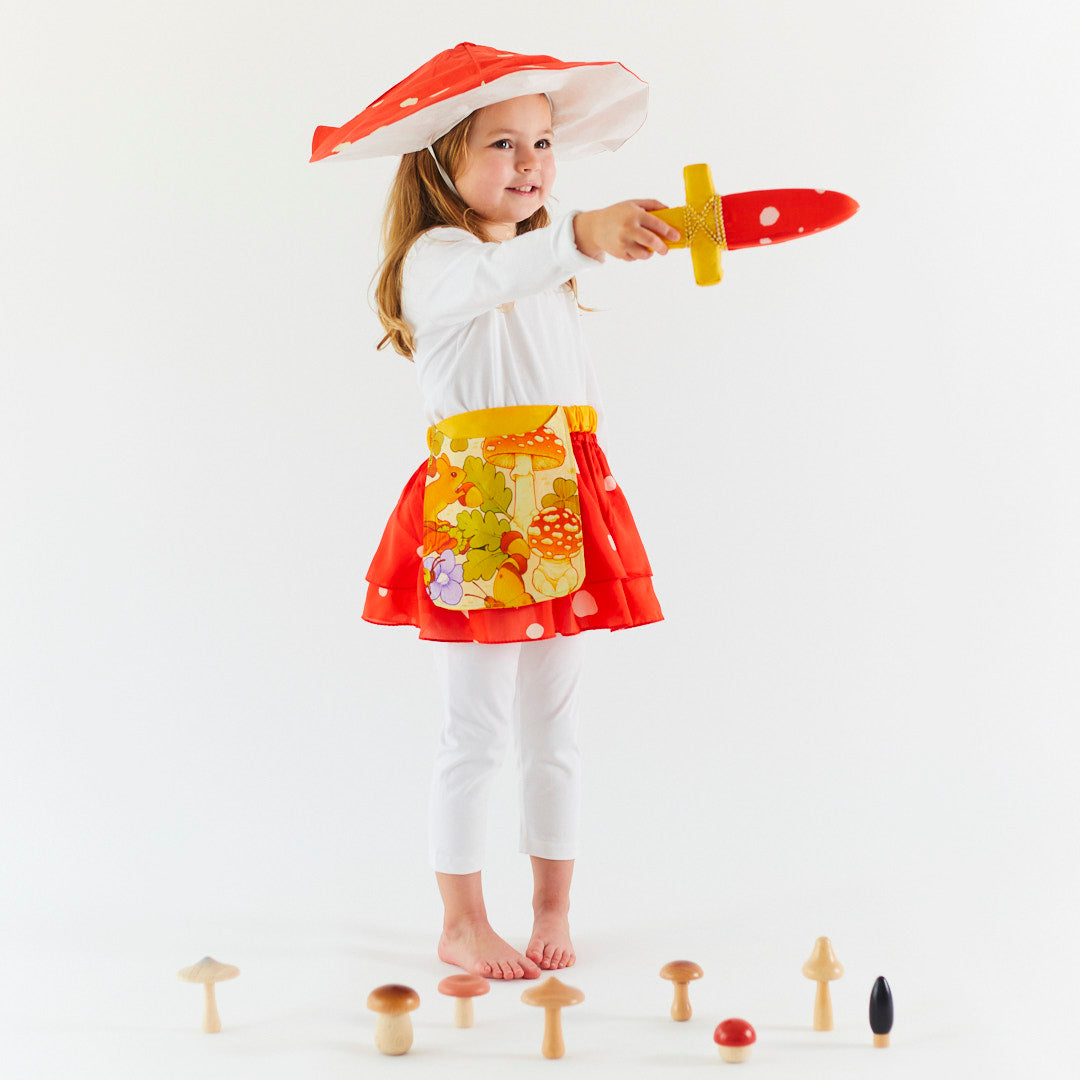
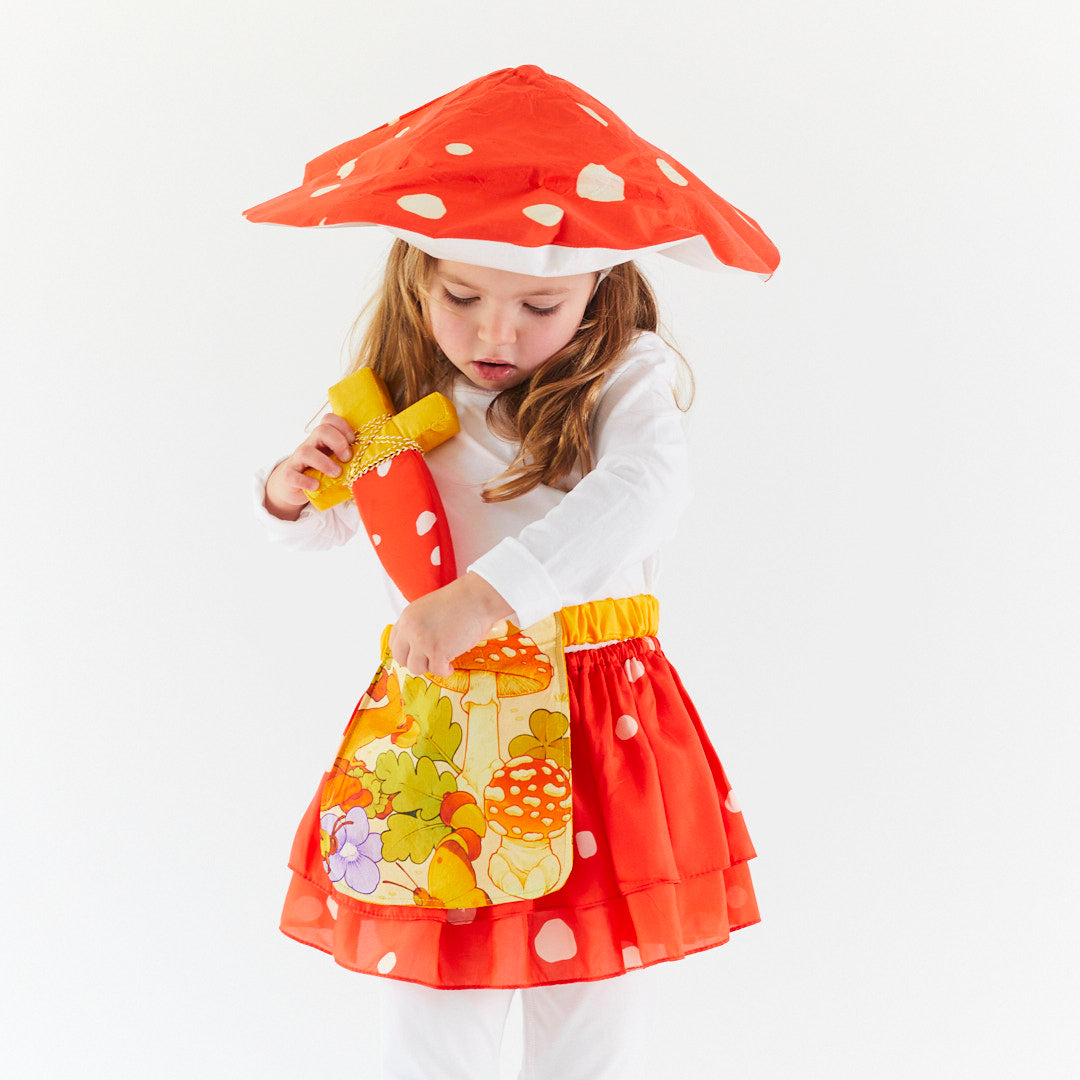
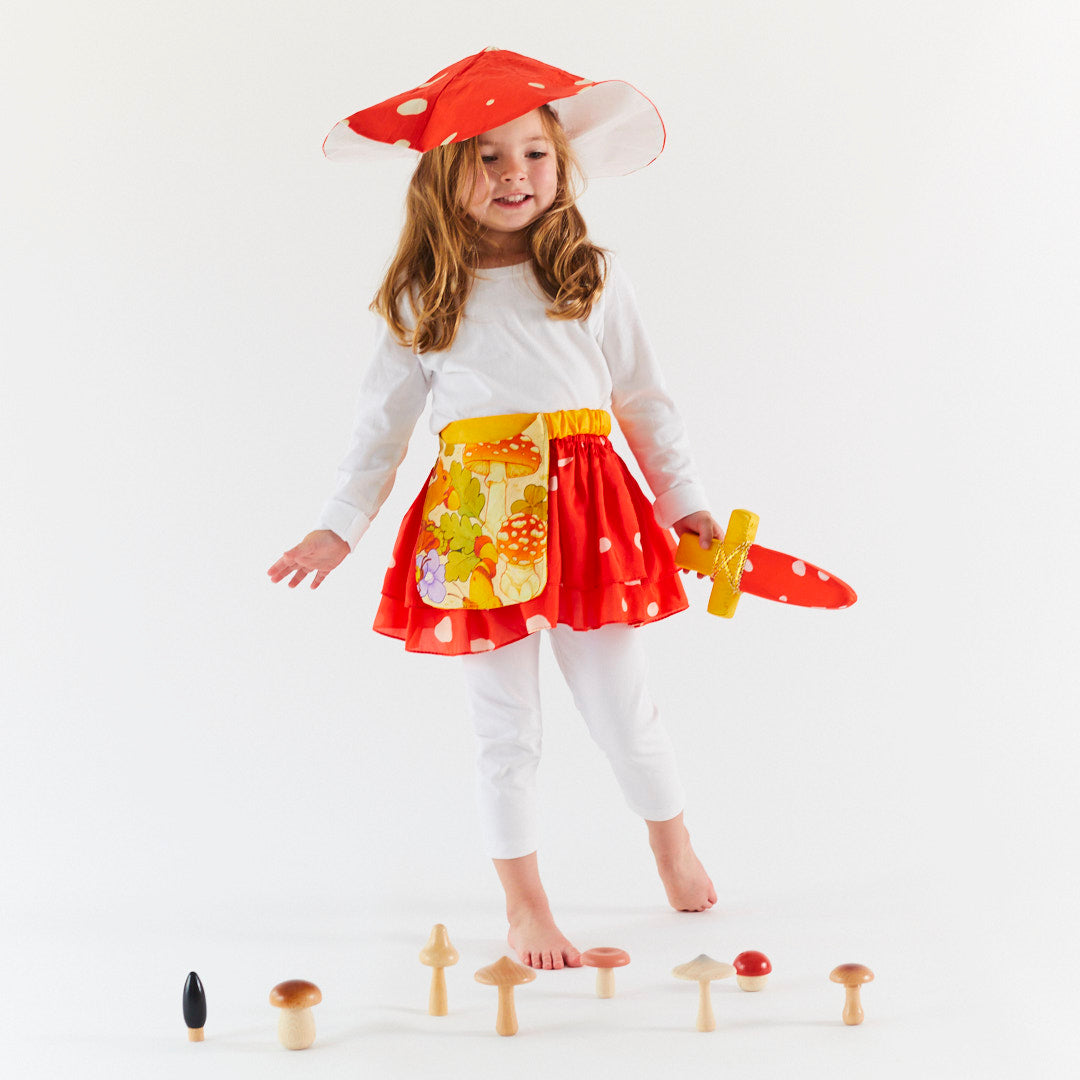
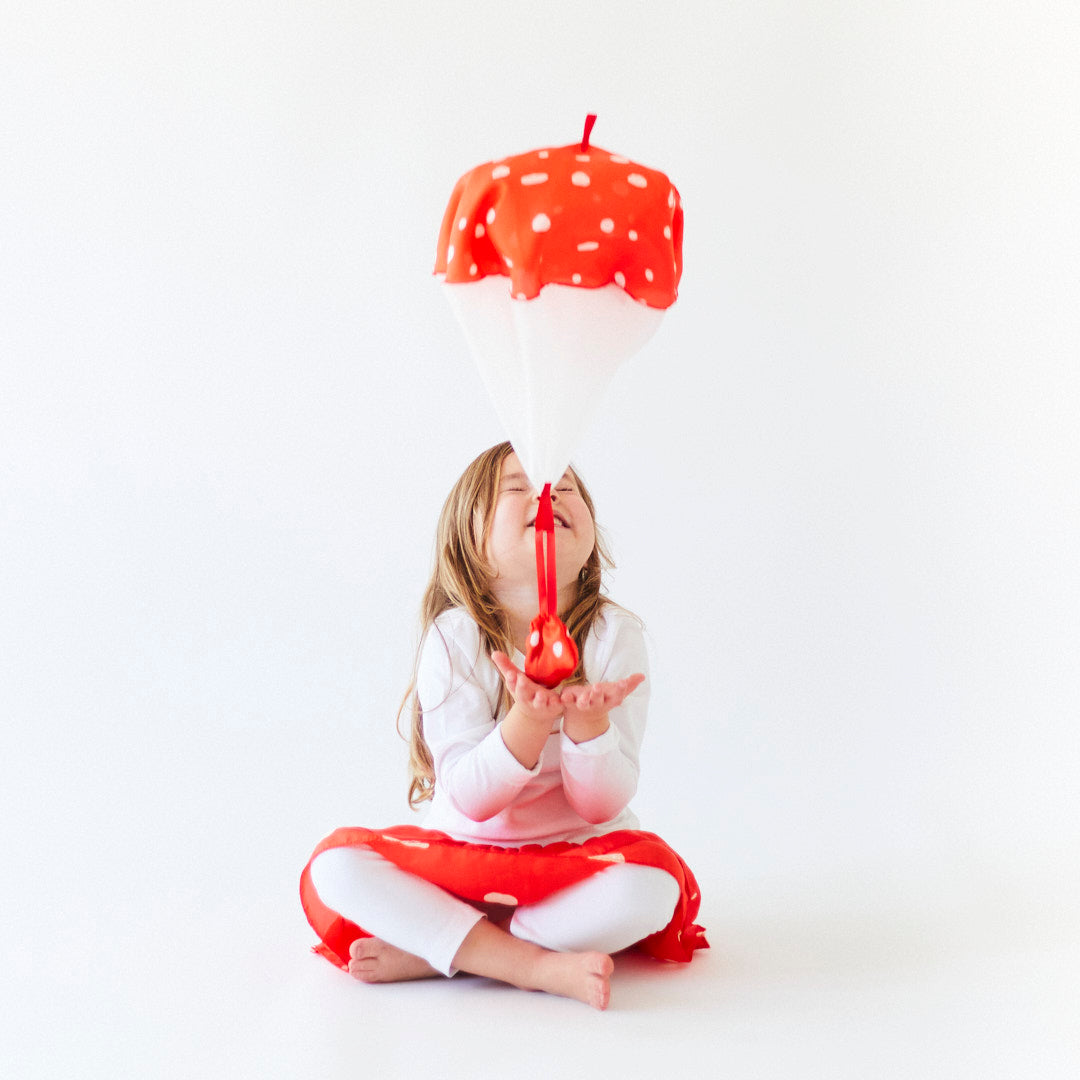
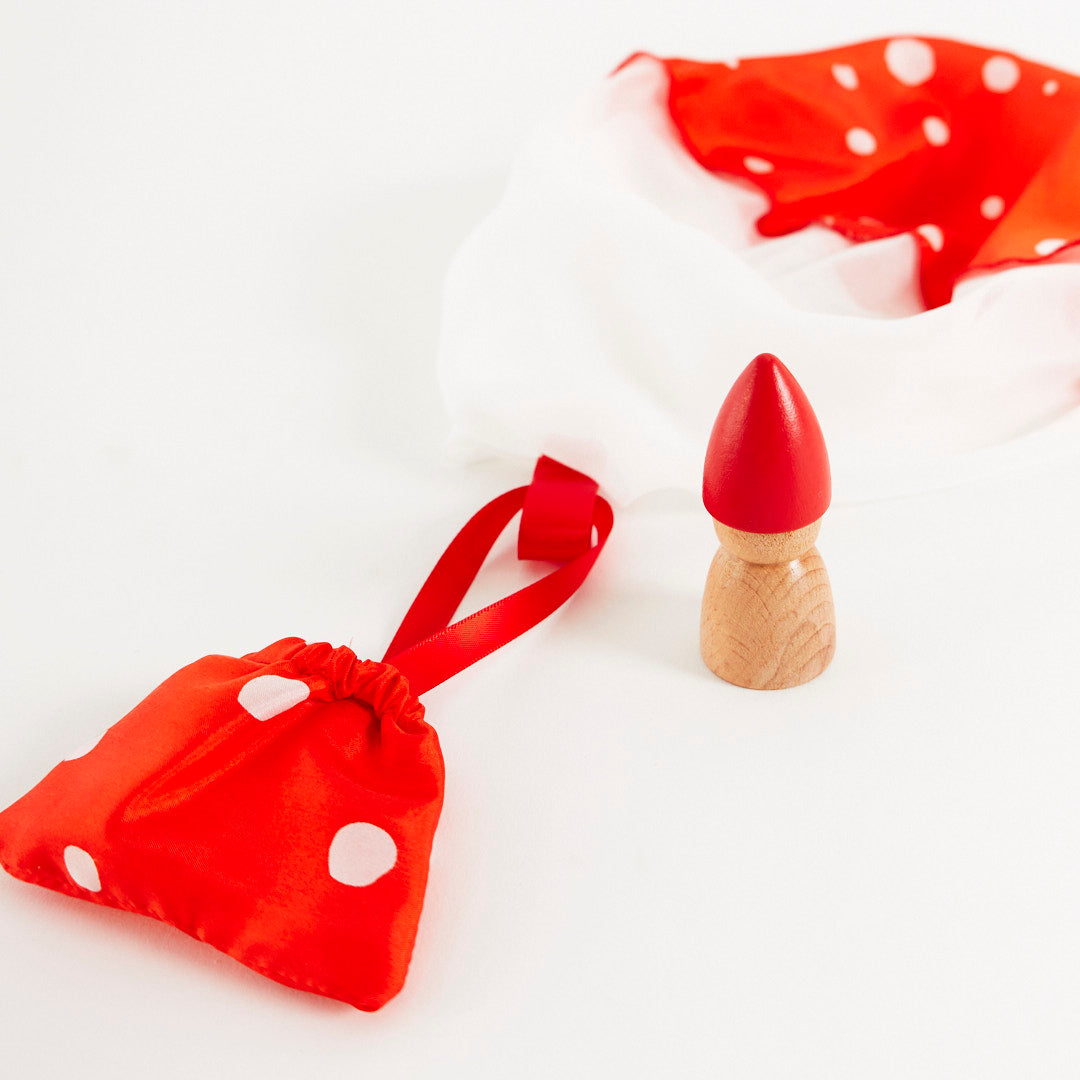
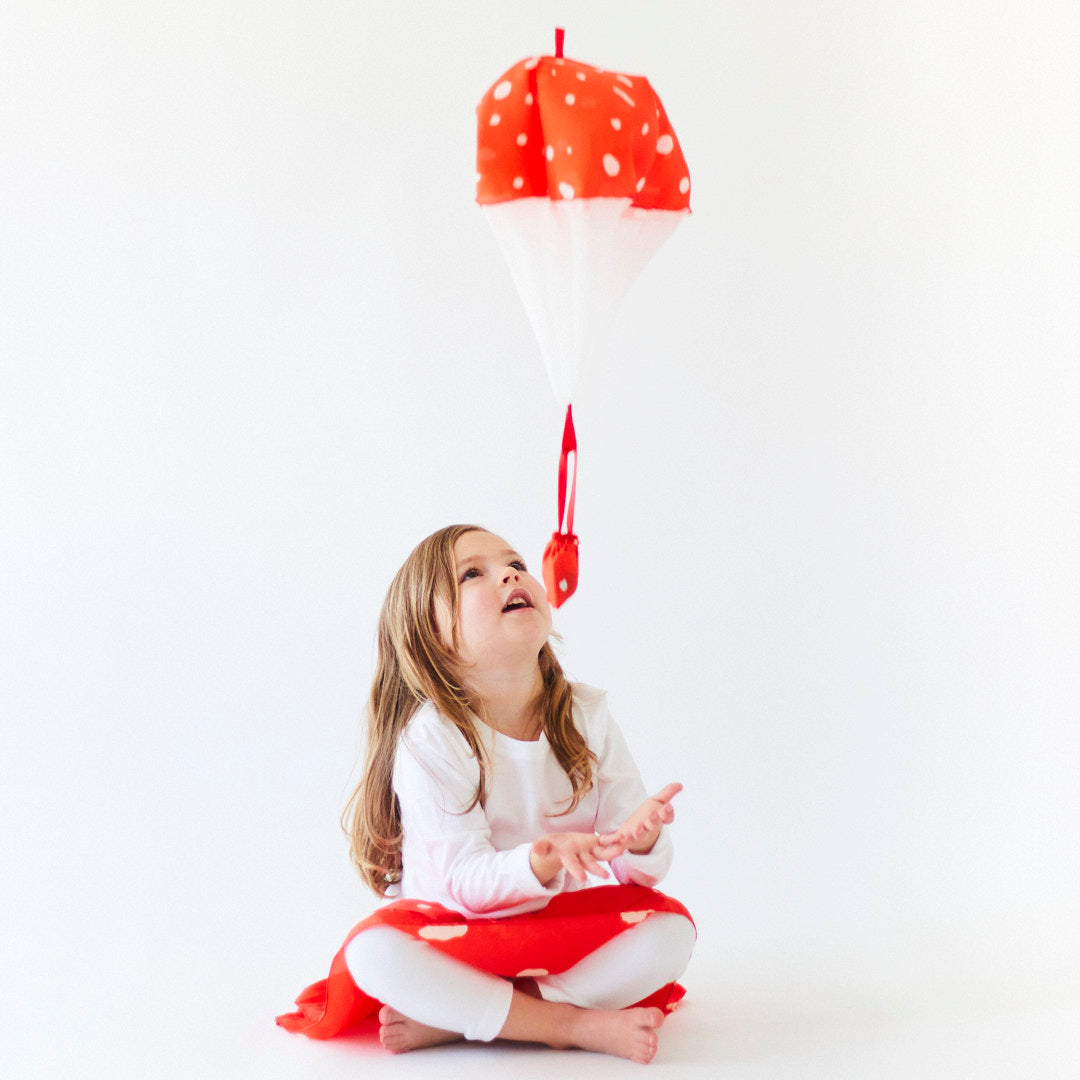
Sarah's Silks – Play silks and dress-up accessories that transform imaginative play.
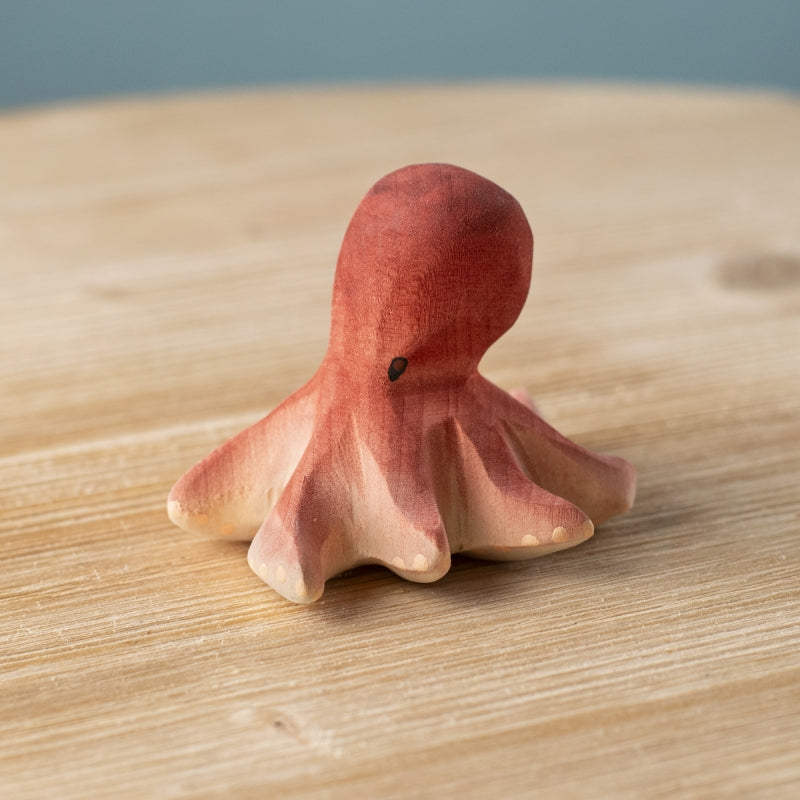
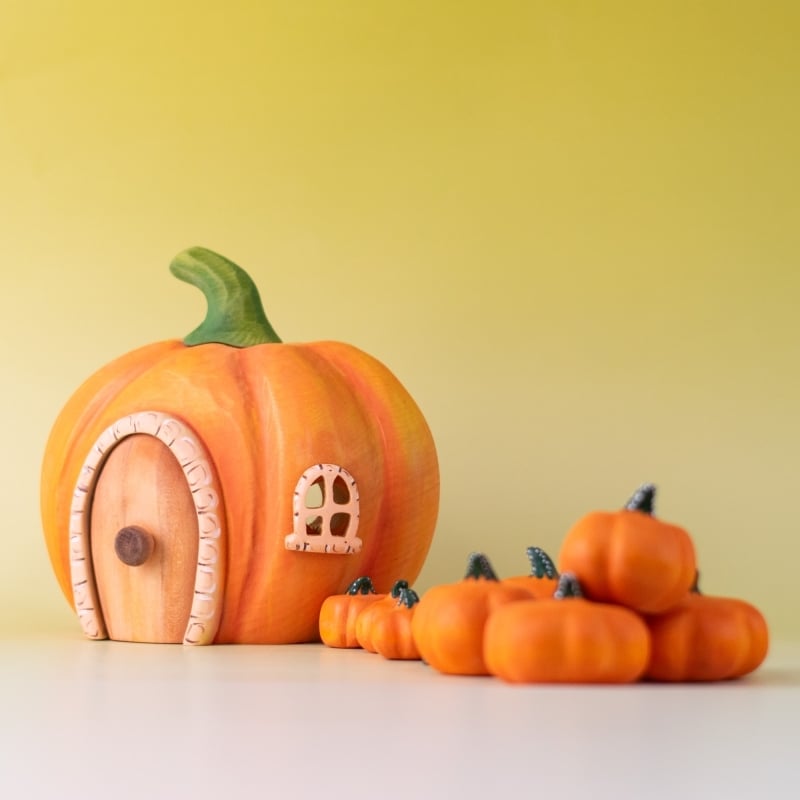
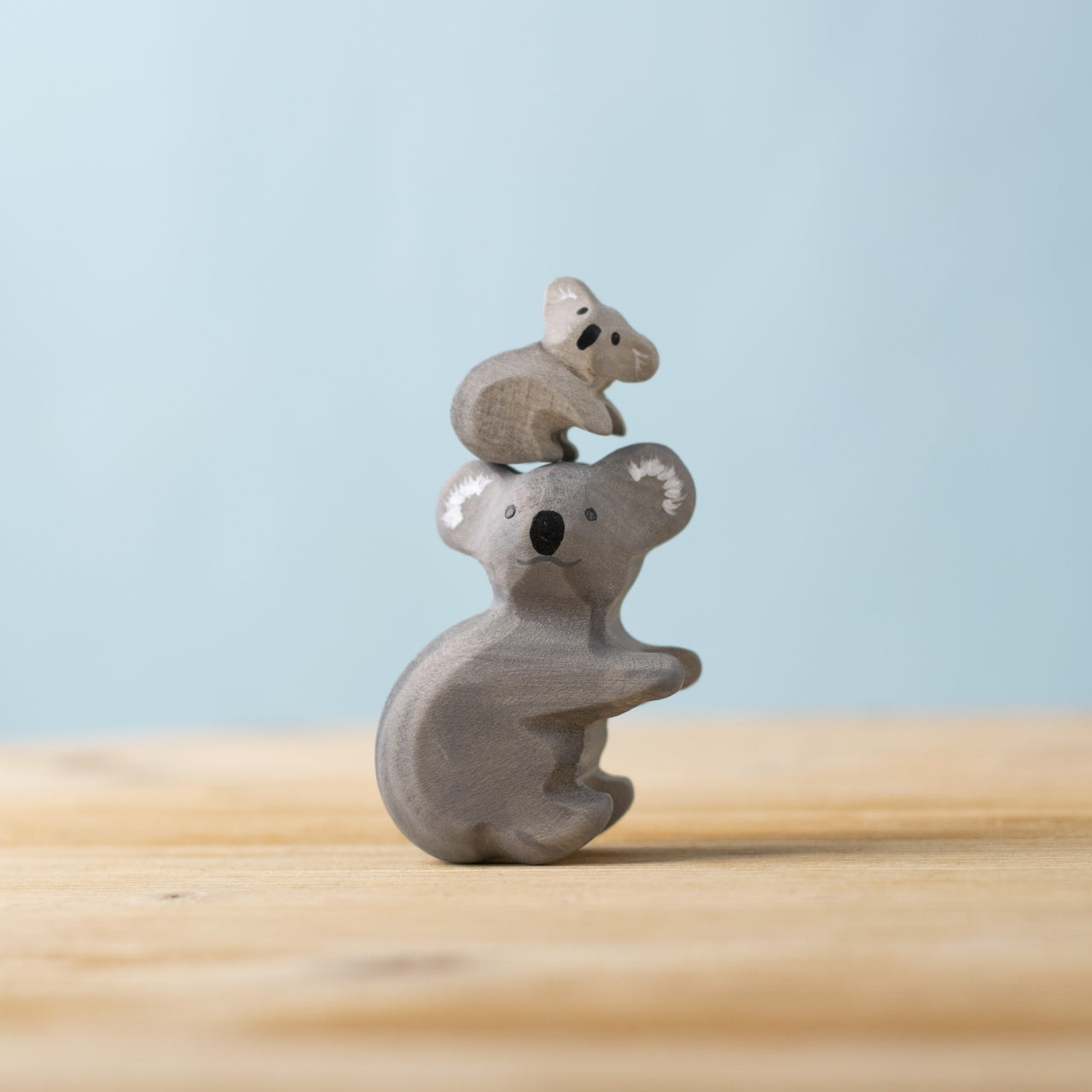
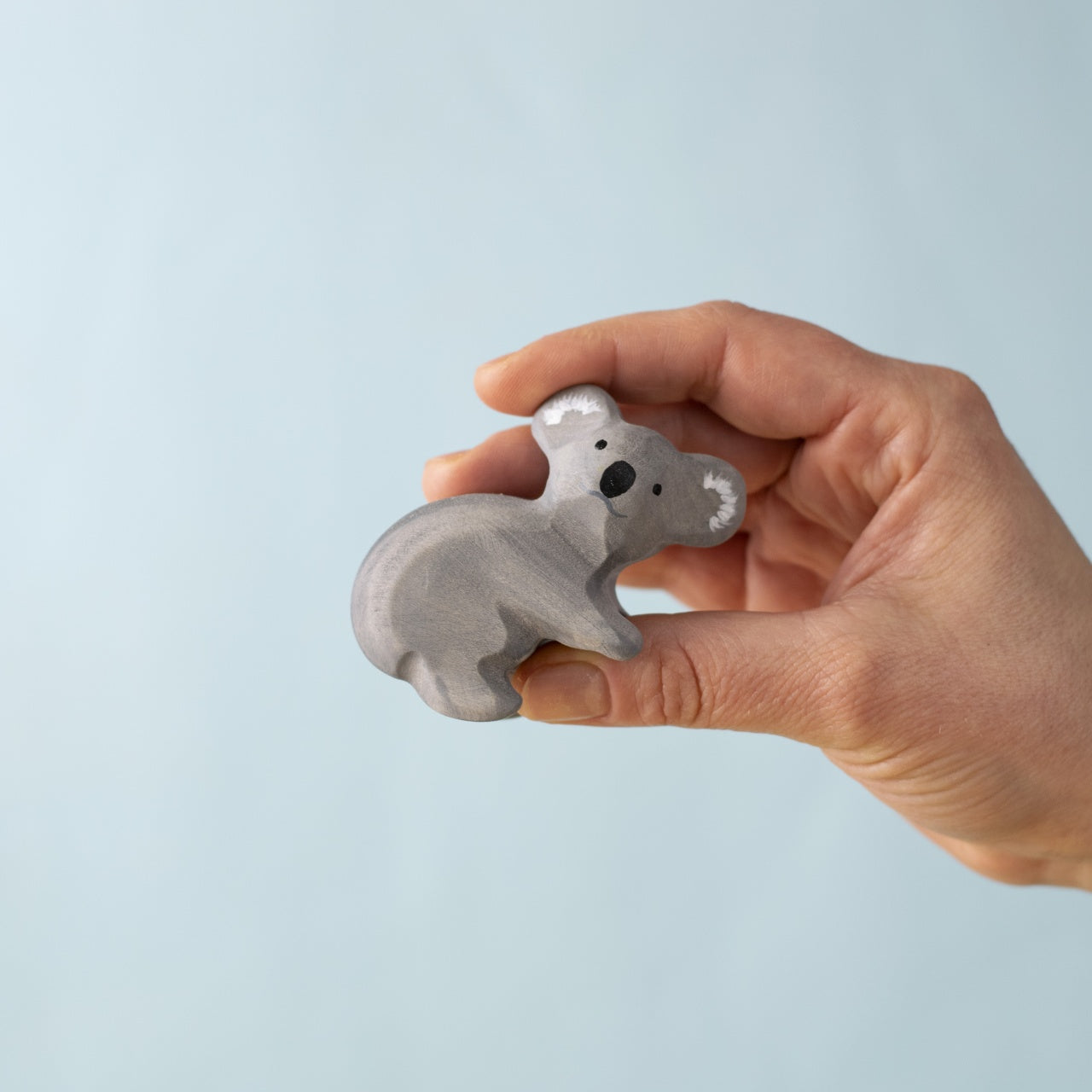
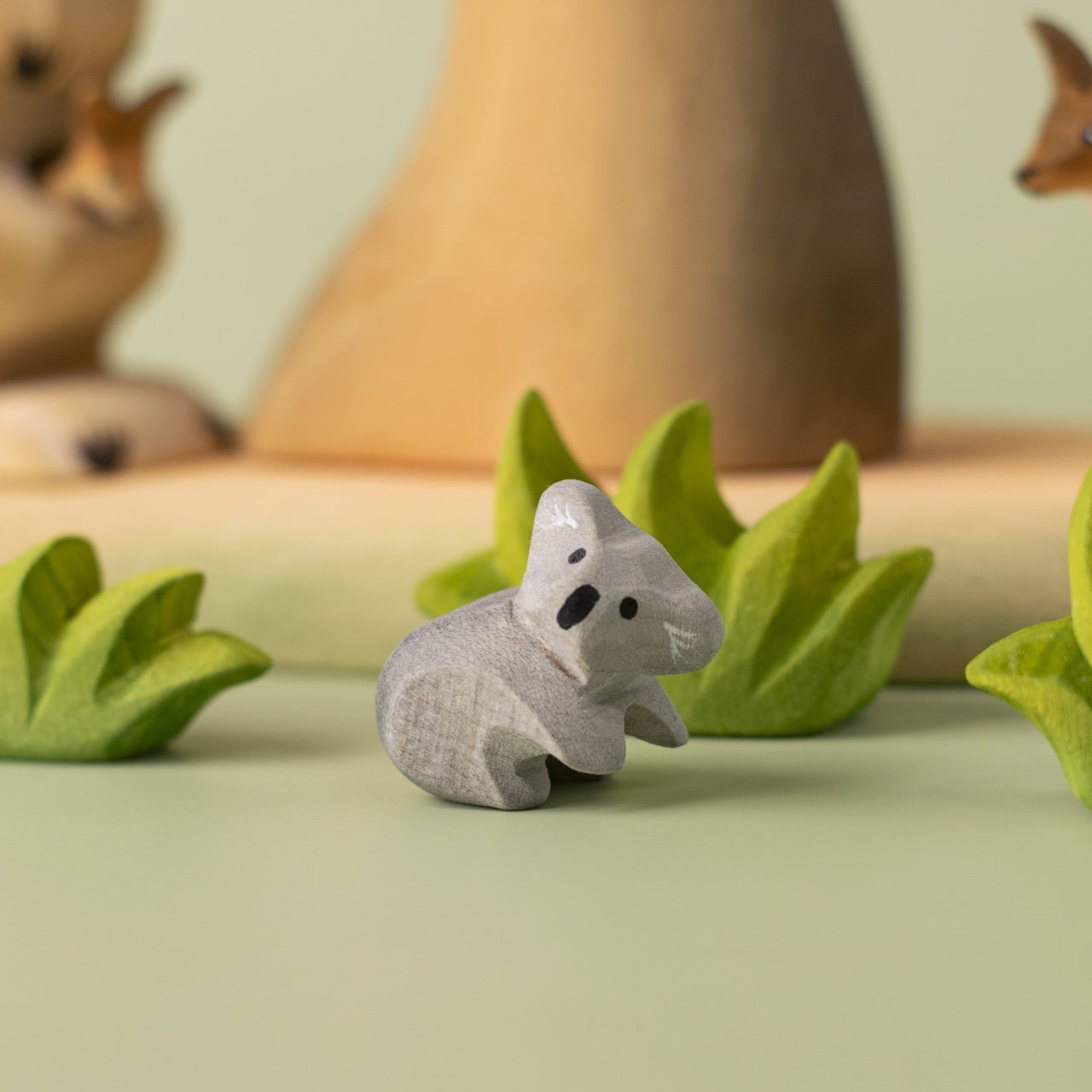
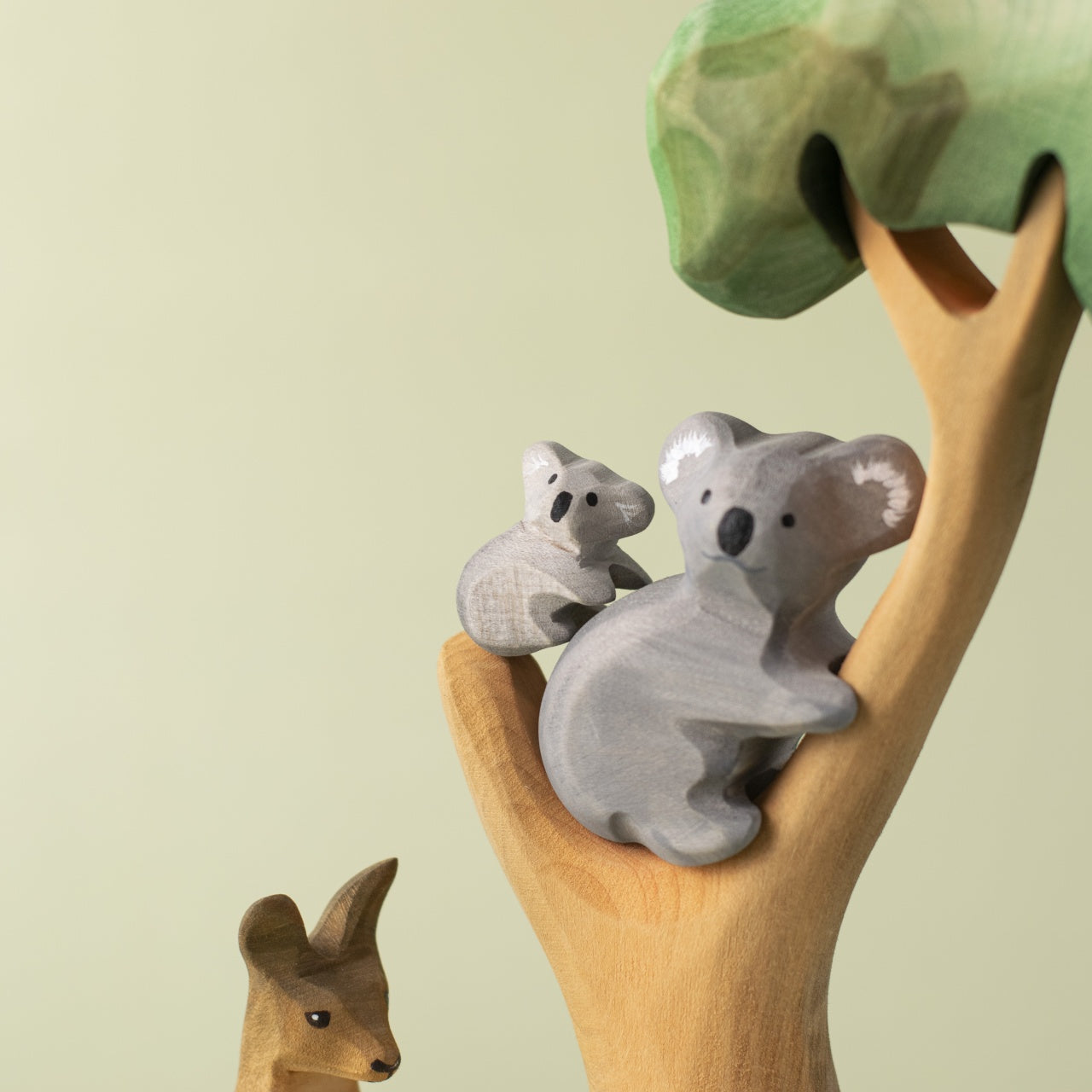
Bumbu Toys – Handcrafted wooden animals and figures perfect for small world play.